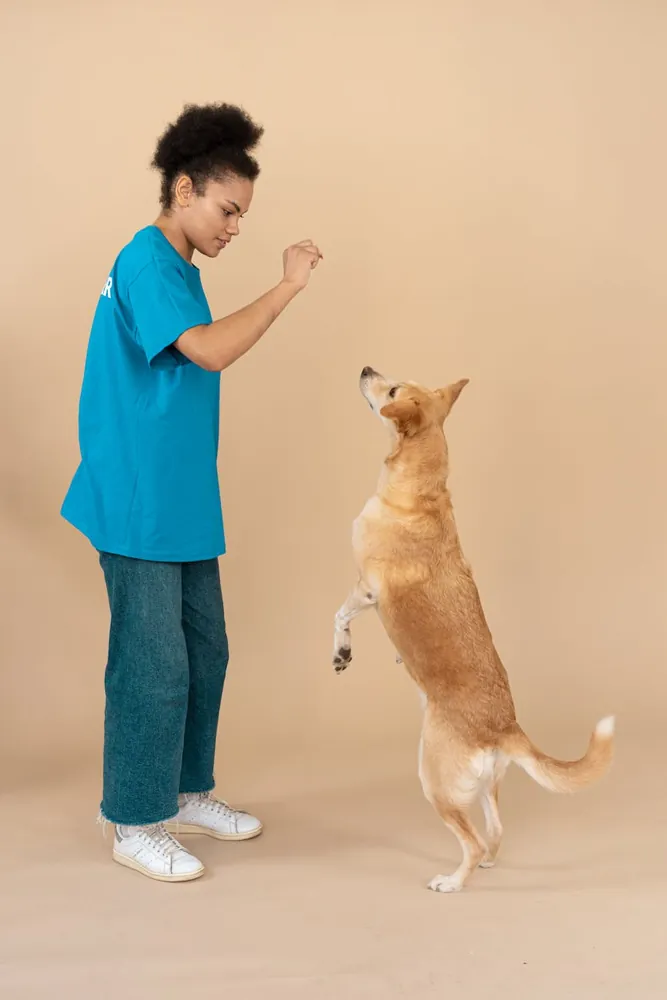

Understanding Dog Behavior and the Need for Modification
Dogs, much like humans, have complex emotional and psychological landscapes. These can be shaped by genetics, early experiences, and their environment. Behavioral issues in dogs range from simple disobedience to severe anxiety or aggression. Understanding the underlying causes of these behaviors is essential for effective modification.
There are numerous methods to modify a dog's behavior, but two of the most prevalent are positive reinforcement and correction-based training. These approaches have different philosophies and techniques. Choosing the right method depends largely on the dog's personality, the specific behavior in question, and the handler's skill level.
Positive Reinforcement: A Closer Look
Positive reinforcement involves rewarding a dog for desirable behavior. This reward could be treats, praise, toys, or even playtime. The underlying principle is that behavior followed by a pleasant consequence is more likely to be repeated.
Advantages of Positive Reinforcement
- Builds Trust: Dogs are less likely to fear their owners when training focuses on rewards rather than punishment.
- Encourages Voluntary Participation: Dogs often engage in training eagerly, associating it with positive experiences.
- Versatile Application: Useful for a wide range of behaviors from simple commands to complex tricks.
Disadvantages of Positive Reinforcement
- Requires Consistency: Consistency in rewards is crucial; otherwise, dogs may become confused about expectations.
- Delayed Results: In some cases, this method may take longer to show results compared to other techniques.
Correction-Based Training: An Analysis
Correction-based training, sometimes referred to as negative reinforcement or aversive training, involves applying an unpleasant stimulus to discourage undesirable behavior. This could include a sharp verbal cue, leash correction, or using a spray bottle.
Advantages of Correction-Based Training
- Immediate Feedback: Dogs receive immediate consequences for their actions, which can lead to quick learning in some cases.
- Clear Boundaries: Helps establish clear boundaries for what is unacceptable behavior.
Disadvantages of Correction-Based Training
- Potential for Fear and Anxiety: If not applied correctly, dogs may develop anxiety or fear towards their owners or training sessions.
- Risk of Aggression: Some dogs may react aggressively if they feel threatened by the corrections.
Scenarios and Case Studies
Consider the case of a dog named Max, who had developed a habit of barking excessively at guests. Using positive reinforcement, Max's owner started rewarding him for calm behavior when guests arrived. Over time, Max learned that remaining quiet would earn him treats and affection. This approach was particularly effective due to Max’s food-motivated nature.
Conversely, another dog, Bella, exhibited leash aggression towards other dogs during walks. Her owner initially used correction-based training with a firm "No" and gentle leash corrections. However, Bella's anxiety around other dogs only intensified. A switch to positive reinforcement—rewarding her for calmness before other dogs got close—proved more effective. This demonstrates how understanding the dog’s unique disposition and adjusting techniques is crucial.
The Role of Professional Trainers
Professional trainers can provide valuable insight into which method might be most effective for a particular dog. Trainers often have experience with a variety of breeds and temperaments and can tailor a program that addresses specific behavioral issues while considering the dog's overall mental health.
A professional evaluation often begins with an assessment of the dog’s history, current behavior patterns, and environment. From there, trainers like Emily Thompson from "Pawsitive Steps" design individualized plans that incorporate both positive reinforcement and necessary corrections in a balanced manner.
Conclusion: Finding Balance in Training Approaches
The debate between positive reinforcement and correction methods continues among pet health professionals. However, most agree that a balanced approach—emphasizing positive reinforcement while utilizing corrections sparingly and appropriately—can be highly effective. The key lies in understanding each dog's unique needs and adjusting methods accordingly.
Ultimately, successful behavior modification hinges on patience, consistency, and understanding. By taking these principles to heart, owners can foster not just well-behaved pets but also deepen the bond they share with their canine companions.