Understanding Canine Aggression: Common Triggers
Aggressive behavior in dogs is a concerning issue for many pet owners, often arising from a variety of triggers. Understanding these triggers is the first step towards effective management. Common sources include fear, territoriality, possessiveness, and social aggression. For instance, a dog might become aggressive if it perceives a threat to its territory or resources.
Fear-Based Aggression: This occurs when a dog feels threatened, leading to an aggressive response as a form of self-defense. Imagine a scenario where a dog encounters a stranger during a walk and perceives them as a potential threat.
Resource Guarding: Dogs can become aggressive when they feel their food, toys, or even their favorite human is threatened by another individual or animal. An example would be growling when someone approaches their food bowl.
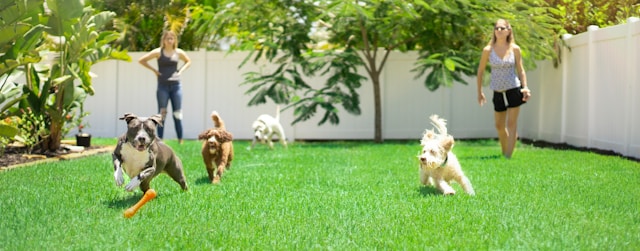
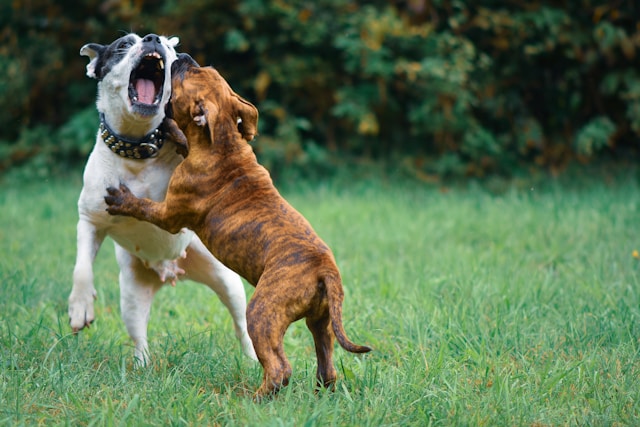
Social Aggression: This can occur when dogs are in close quarters with other dogs, especially if there are disputes over hierarchy. Multi-dog households may experience this if one dog tries to assert dominance over another.
A Mini-Framework for Managing Canine Aggression
To address aggression effectively, owners need a structured approach. This framework involves environmental management, behavior modification techniques, and training exercises. Each component serves a unique purpose in reducing aggressive behaviors.
Environmental Management
The environment plays a crucial role in shaping a dog's behavior. By adjusting surroundings, owners can reduce stressors that trigger aggression.
- Create Safe Spaces: Ensure your dog has access to areas where it feels secure. This might be a specific room or a crate with familiar bedding.
- Minimize Exposure to Triggers: If your dog is reactive to visitors, managing how new people are introduced into the home can prevent incidents.
- Regular Exercise: Ensuring your dog receives enough physical activity can help mitigate pent-up energy that might otherwise manifest as aggression.
Behavior Modification Techniques
Modifying behavior involves changing how your dog responds to specific situations through consistent training and positive reinforcement.
- Desensitization: Gradually expose your dog to the stimulus causing aggression at a level that doesn’t provoke a strong response, slowly increasing exposure over time.
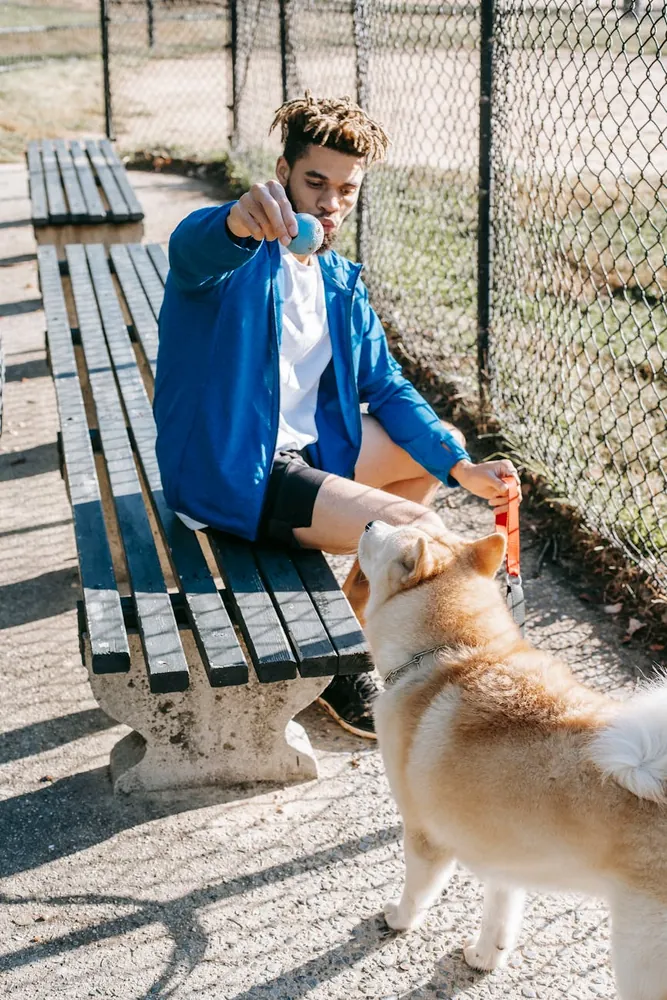
- Counterconditioning: Pair the presence of the trigger with positive experiences, such as treats or playtime, to change your dog’s emotional response.
Consider the case of a dog that becomes anxious when seeing other dogs on walks. Begin by introducing the sight of other dogs from a distance where your pet remains calm. Gradually reduce the distance while rewarding non-aggressive behavior with treats.
Training Exercises
Training builds communication between owner and pet and establishes desired behaviors. Here are some key exercises:
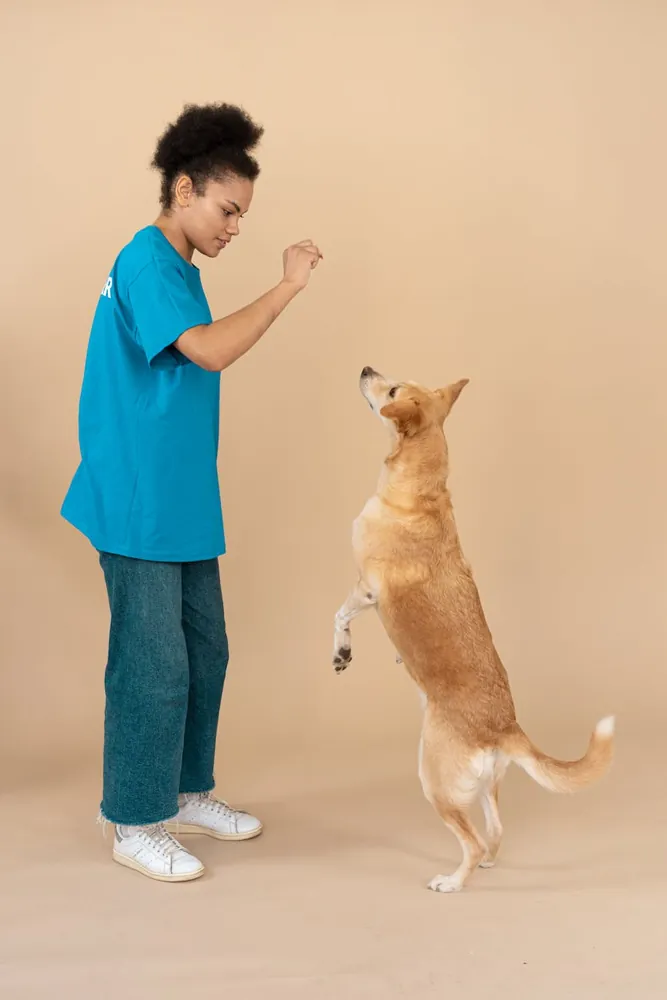
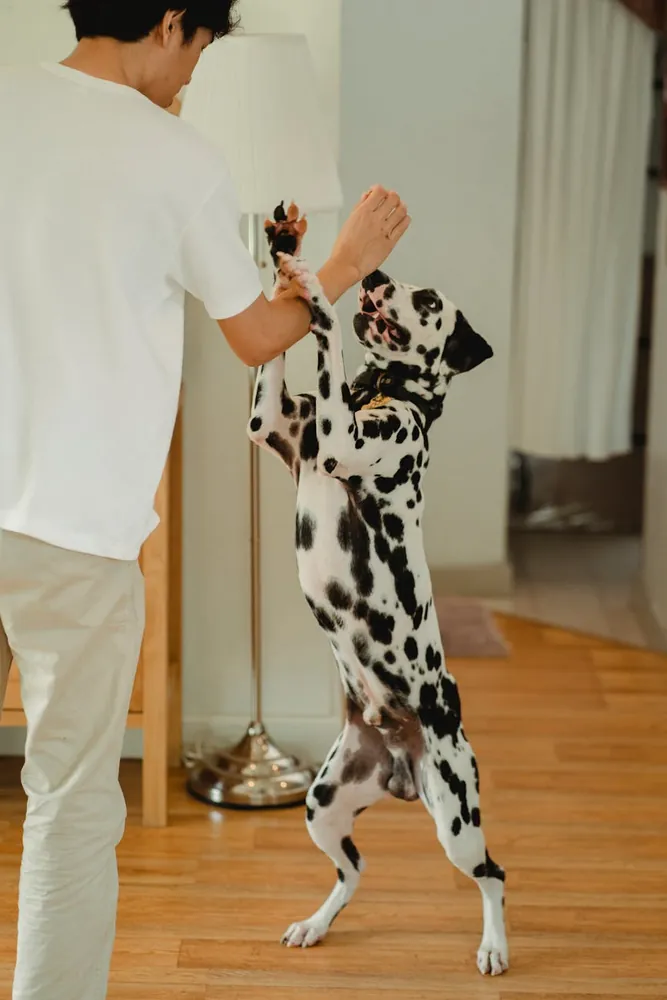
- Obedience Training: Commands like ‘sit,’ ‘stay,’ and ‘leave it’ can help manage behavior. Reinforce these commands regularly to ensure they’re second nature to your dog.
- Focus Commands: Teach your dog to focus on you amid distractions using commands like ‘watch me.’ This redirective strategy helps control reactive behavior.
Imagine you're walking your dog, and another dog appears unexpectedly. Using the 'watch me' command could shift your dog's attention away from the trigger.
The Role of Professional Guidance
If aggressive behaviors persist despite these strategies, consulting with professionals such as veterinarians or certified dog trainers is advisable. A professional can offer insights into whether medical issues contribute to aggression or suggest advanced behavior modification techniques.
A behavioral specialist might employ advanced desensitization techniques tailored specifically to your dog's triggers or introduce you to technologies like vibration collars for safe and effective remote guidance.
Balancing Strategies and Real-Life Scenarios
Implementing these strategies requires consistency and patience from pet owners. Considerations include:
- Consistency: Repetition is key in training; inconsistent application of techniques can confuse pets and prolong undesirable behavior.
- Pacing: Adapt the pace based on your dog's comfort level, ensuring not to push beyond its coping capacity.
If you have multiple pets, work with each individually before integrating group training sessions. It's essential to recognize and reward progress, however small, to encourage positive behavior changes.
Conclusion: A Commitment to Improvement
Tackling aggressive behavior in dogs requires commitment from the owner alongside an understanding of canine psychology. By applying a structured framework encompassing environmental management, behavior modification, and training exercises, owners can create a more harmonious living environment for both themselves and their pets. Remember that each dog is unique; what works for one may not work for another. Stay attentive to your pet’s specific needs and progress at a pace that suits them.