Understanding the Unique Challenges of Shelter Dogs
Shelter dogs often come with their own set of behavioral challenges due to past traumas, neglect, or a lack of socialization. As they transition into new homes, building trust becomes a crucial step in helping them adjust. In this article, we will explore effective training methods and environmental modifications that can reduce anxiety in these dogs.
Recognizing Anxiety Signs
The first step in helping a shelter dog is recognizing signs of anxiety. These may include excessive barking, destructive behavior, and even aggression. Understanding these behaviors as expressions of fear or stress, rather than mischief, helps in approaching training with empathy and patience.
Effective Training Methods
Positive Reinforcement Training
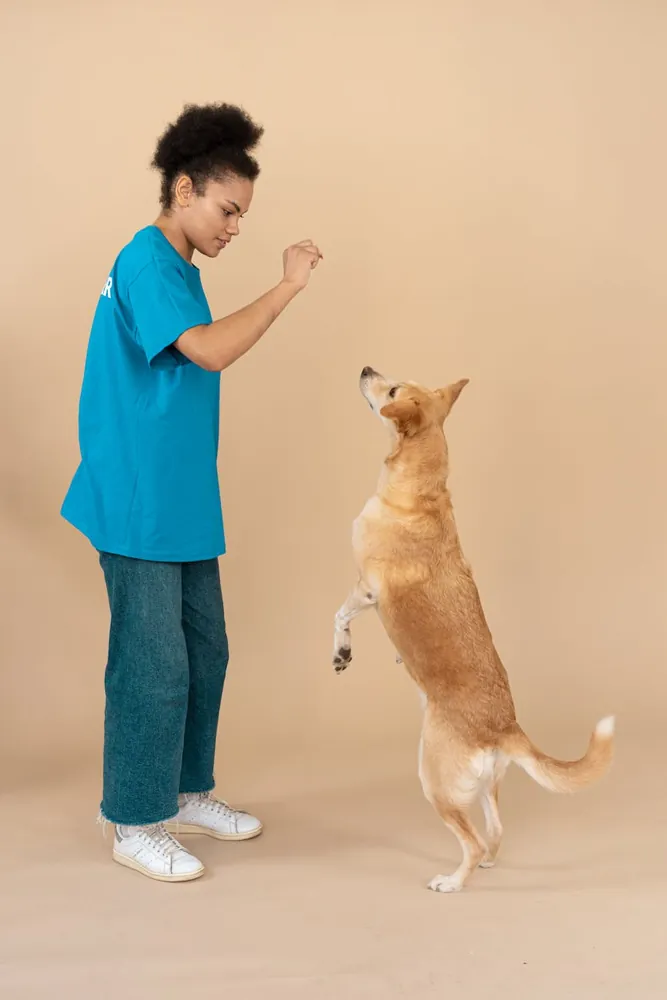
Positive reinforcement is a powerful tool in building trust. Rewarding good behavior with treats, praise, or toys encourages dogs to repeat the behavior. For example, when a dog sits calmly when visitors arrive, offering a treat can reinforce this calm behavior. Consistency is key; ensure everyone in the household follows the same reward system.
Clicker Training
Clicker training is another effective method that involves using a small device that makes a clicking sound to mark desired behavior. For instance, when teaching a dog to sit, you would click the moment the dog’s bottom touches the ground, followed by a treat. This method can accelerate learning and strengthen communication between you and your pet.
Crate Training
Crate training can be particularly beneficial for shelter dogs as it provides them with a safe space they can retreat to. When done correctly, the crate becomes a den-like environment that reduces anxiety and prevents destructive behavior. Begin by introducing the crate with positive associations: place comfortable bedding inside and provide meals and treats within the crate. Gradually increase the time they spend inside with the door closed.
Creating a Predictable Routine
Dogs thrive on routine. A predictable schedule provides security, helping reduce anxiety. Here’s a sample daily schedule that might work:
- Morning: Take your dog out for a walk or some playtime to expend energy.
- Meal Times: Feed at regular intervals twice or thrice a day depending on age and dietary needs.
- Training Sessions: Schedule short training sessions two to three times per day.
- Evening Walk: Another chance for exercise and bonding.
- Bedtime: Establish a bedtime routine to signal winding down for the night.
Environmental Modifications
Create Safe Zones
A safe zone is an area where the dog feels secure. This can include their crate or a specific room. Avoid disturbing your dog while they are in this space; let them retreat here when feeling overwhelmed. Add comforting items such as blankets or toys.
Reduce Noise Pollution
Loud noises can be startling for many dogs, especially those from shelters who may not have been exposed to various sounds. Consider using white noise machines or playing calming music to mask unsettling noises during stressful times like thunderstorms or fireworks.
Aromatherapy
Certain scents can have calming effects on dogs. Products like lavender or chamomile diffusers can help soothe anxious pets. Always introduce new scents gradually and observe your dog's reaction before regular use.
The Importance of Gradual Socialization
Starting Slow
Gradual exposure to new environments, people, and other animals is critical for socialization. Start by inviting friends over one at a time before increasing the number of visitors. Similarly, slowly introduce your dog to other pets, ensuring all interactions are positive.
Controlled Social Outings
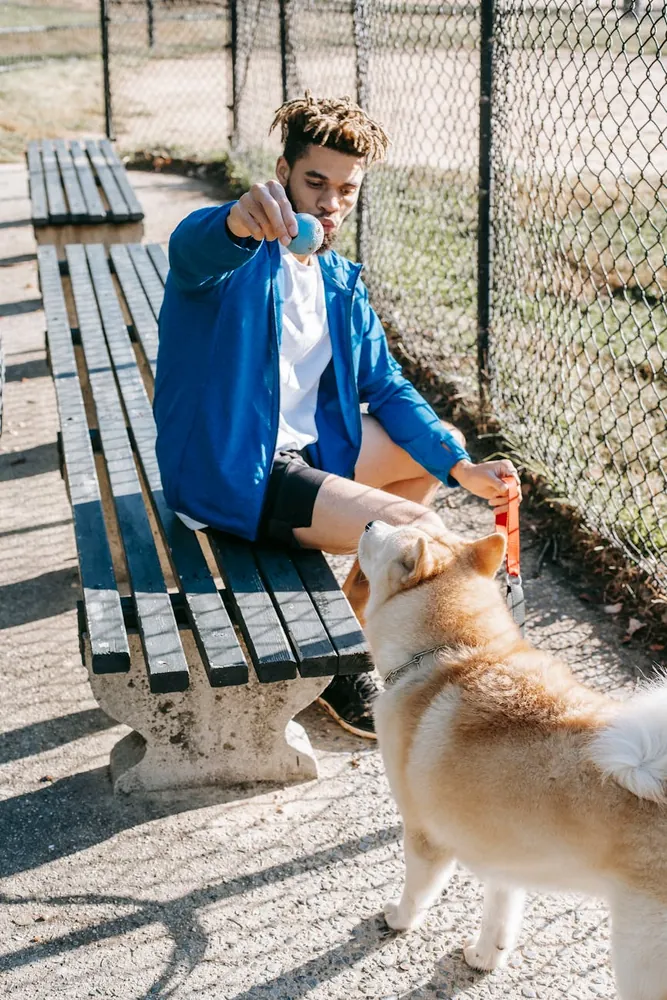
Take your dog on controlled outings to places like quiet parks before venturing into busier areas. Leverage these outings as opportunities to practice obedience skills in different settings, reinforcing good behavior with treats and praise.
Desensitization Techniques
If your dog is particularly anxious about specific stimuli like bicycles or other dogs, desensitization techniques can help. Gradually expose them to these stimuli from a distance where they feel comfortable, slowly decreasing the distance over time as they become more accustomed.
Consistency and Patience: Key Ingredients
When working with shelter dogs, consistency and patience are paramount. Change takes time, especially for dogs overcoming negative experiences. Celebrate small victories and maintain a supportive attitude throughout the process.
Ultimately, the journey of building trust with your shelter dog can be incredibly rewarding. By providing structured training and creating an environment where they feel safe and loved, you lay the groundwork for a harmonious relationship based on mutual trust and understanding.