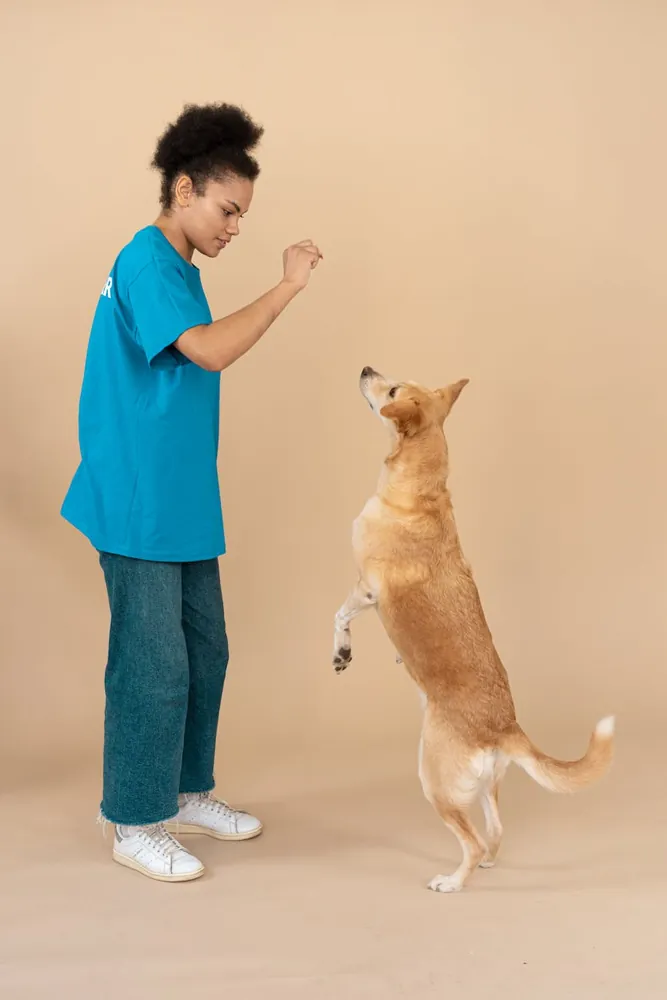

Understanding Clicker Training and Its Psychological Benefits
Clicker training is a popular form of positive reinforcement that has gained widespread acceptance among pet owners and trainers. It involves using a clicker—a small device that makes a clicking sound—to signal to the dog that a specific behavior is correct and will be followed by a reward, typically a treat or praise.
This method leverages the science of operant conditioning, where dogs learn to associate certain behaviors with positive outcomes. The clicker acts as a marker that precisely indicates the desired behavior, making it easier for the dog to understand what is expected.
Advantages of Clicker Training
- Clear Communication: The clicker provides immediate feedback, reducing confusion and accelerating learning.
- Non-Aversive: Since it relies on rewards rather than punishment, it promotes a positive association with training sessions.
- Versatility: Suitable for teaching basic commands, complex tricks, and modifying behavioral issues like anxiety or aggression.
Practical Tips for Effective Clicker Training
- Start with Simple Commands: Use the clicker to teach basic commands such as 'sit', 'stay', and 'come'. Once your dog performs the desired action, immediately click and reward.
- Consistent Timing: The key to effective clicker training is timing. Click at the exact moment your dog performs the correct behavior.
- Gradual Progression: Increase the complexity of tasks gradually and introduce distractions once basic commands are well established.
The psychological impact of clicker training on dogs is overwhelmingly positive. Dogs trained with this method often exhibit increased confidence and enthusiasm for learning, as they feel encouraged and motivated by their successes.
The Controversy Around Alpha Rolling
Alpha rolling is a technique derived from dominance theory, where a trainer or owner forces a dog onto its back and holds it there until it shows submission. The practice is intended to establish authority over the dog by mimicking how wolves establish dominance within a pack.
Despite its historical roots, alpha rolling is contentious among modern trainers and behaviorists due to concerns over its ethical implications and psychological effects on dogs.
Potential Risks of Alpha Rolling
- Stress and Anxiety: Forcing a dog into submission can cause significant stress and may exacerbate anxiety-related behaviors.
- Aggression: This method can backfire, leading to fear-based aggression as dogs may react defensively to being handled roughly.
- Damage to Human-Dog Bond: Trust between the dog and owner can be severely damaged if the dog perceives the owner as a threat rather than a guide.
When Might Alpha Rolling Be Used?
While generally discouraged, some proponents argue that alpha rolling may be used in extreme cases where safety is at risk, but even then, it should only be performed by experienced trainers who fully understand canine behavior and body language. More humane alternatives should always be considered first.
Comparing Psychological Outcomes
The psychological outcomes of these training methods differ markedly. Clicker training, through its positive reinforcement approach, tends to foster an environment where learning is safe and enjoyable, leading to a mentally healthy dog that is eager to engage with its owner. On the other hand, alpha rolling, with its basis in aversive control, can instill fear and anxiety in dogs, which may manifest as avoidance behaviors or increased aggression.
Selecting the Best Method for Your Dog
The choice between clicker training and alpha rolling should be guided by an understanding of your dog's temperament and behavioral needs. Here are some considerations:
- Sensitive or Anxious Dogs: These dogs typically respond better to clicker training as it reduces stress and builds confidence through positive interactions.
- Stubborn or Aggressive Dogs: Even with challenging behaviors, starting with positive reinforcement is recommended. Alpha rolling should only be considered as a last resort by professionals.
If you're unsure about which method suits your pet best, consulting with a certified animal behaviorist can provide personalized guidance tailored to your dog's specific needs.
The Role of Consistency and Patience in Training
No matter which method you choose, consistency and patience are paramount. Dogs learn best when training is part of their daily routine, with clear expectations set by their owners. Reward-based methods thrive on repeated exposure and consistent application of rules.
Building a Training Routine
- Daily Sessions: Short, regular training sessions are more effective than infrequent, long ones. Aim for two or three 5-10 minute sessions daily.
- Create Positive Associations: End each session on a positive note to encourage your dog’s enthusiasm for future training.
The ultimate goal of any training regime is not just obedience but also enhancing your dog's mental health and strengthening the human-animal bond. Positive reinforcement techniques like clicker training align well with these objectives, fostering trust and mutual respect between you and your canine companion.