
The Importance of Play in Canine Development
Play is not just a frivolous activity for dogs but a critical component of their development and mental health. Much like humans, dogs require both mental and physical stimulation to thrive. Daily play sessions can significantly influence a dog's social skills and overall mood, contributing positively to their behavior and reducing anxiety.
Research indicates that dogs engaged in regular interactive play show improved emotional well-being and enhanced socialization skills. This is particularly crucial for puppies, as early play experiences can shape their ability to interact with other dogs and humans effectively.
How Play Reduces Anxiety in Dogs
Anxiety in dogs can manifest in various ways, including excessive barking, destructive behavior, and aggression. One of the most effective ways to combat canine anxiety is through structured play. Interactive games can provide an outlet for pent-up energy and help divert attention from stressors.
Interactive Toys and Games
Investing in interactive toys such as puzzle feeders or treat-dispensing balls can keep your dog mentally stimulated. These toys encourage problem-solving, providing a distraction from anxiety-inducing situations.
The Role of Physical Exercise
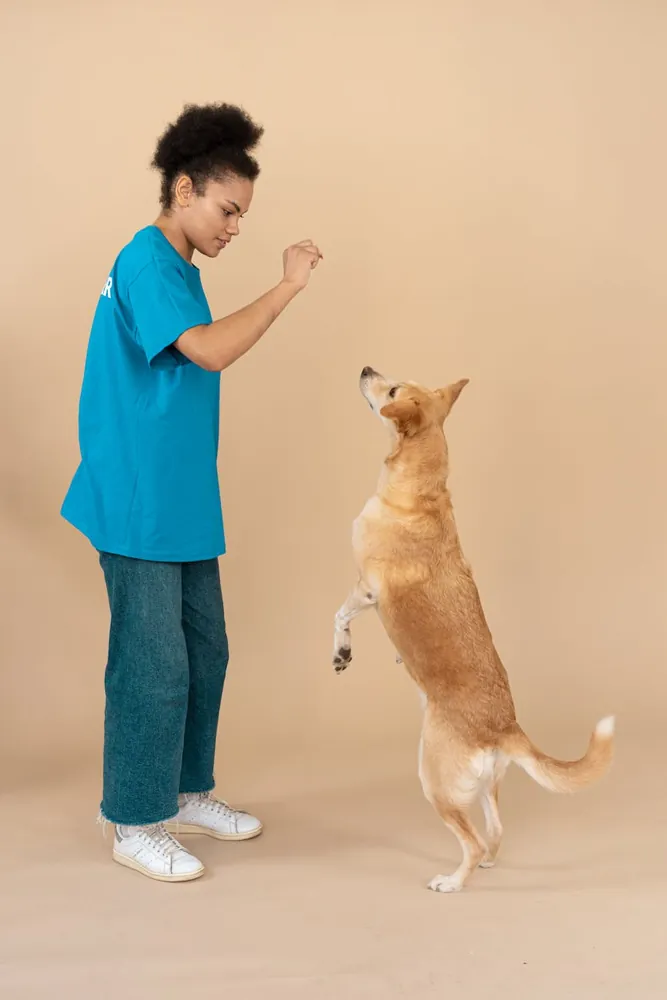
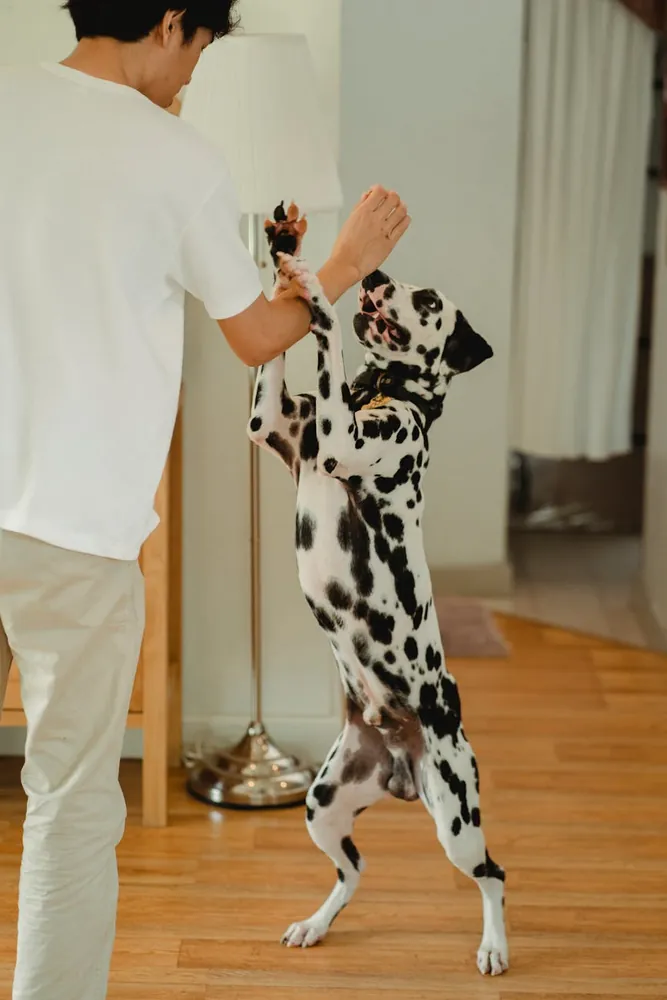
Physical exercise through play is equally essential in alleviating stress. Activities like fetch or tug-of-war not only help expend energy but also foster bonding between you and your dog. Consistent exercise has been shown to reduce cortisol levels in dogs, which is the hormone associated with stress.
Improving Social Skills Through Play
Socialization is a vital part of a dog's life. Regular playtime with other dogs can teach them important communication skills, such as reading body language and understanding social cues.
Structured Group Play
Enrolling your dog in structured group play sessions, like doggy daycare or training classes, provides controlled environments where they can interact with other dogs under supervision. These settings allow dogs to learn appropriate play behaviors while building confidence in social situations.
Neighborhood Walks and Playdates
Setting up playdates with other friendly dogs or joining local dog walking groups can further enhance your dog's social skills. It offers opportunities for them to meet new friends and practice social interactions in diverse environments.
Building Emotional Well-Being
The emotional benefits of play are multifaceted. It not only strengthens the bond between pet and owner but also contributes to a dog's overall happiness. Dogs who engage in daily play are often more resilient to changes in their environment and less prone to develop behavioral issues.
The Science Behind Play-Induced Happiness
During play, dogs release endorphins, which are hormones that promote feelings of pleasure and well-being. This biochemical reaction can enhance a dog's mood, making them more adaptable to new experiences and environments.
Establishing Routine and Security
A consistent play schedule can provide a sense of security for your dog. Knowing that they have designated times for interaction helps reduce uncertainty and build trust with their owner, fostering a more secure attachment.
Practical Tips for Effective Playtime
- Variety is Key: Rotate toys to keep your dog engaged and prevent boredom.
- Personalize Play: Understand your dog's play style; some dogs prefer chasing games while others may enjoy problem-solving tasks.
- Safe Environment: Always ensure that the play area is safe and free from hazards that could harm your dog.
- Balance Alone and Social Play: Encourage solo play but balance it with interactive sessions to build social skills.
Conclusion: The Long-term Benefits of Play
Incorporating regular play sessions into your dog's daily routine is not just about fun—it’s an essential part of their overall health strategy. By investing time in structured play, you are promoting their mental health, reducing anxiety, improving social skills, and enhancing emotional well-being.
The effects of daily play on canine social skills and mood are profound. Dogs who engage regularly in play are generally happier, healthier, and better companions. As dog owners, we hold the key to unlocking these benefits through intentional and consistent play.