Understanding Canine Anxiety
Anxiety in dogs is a common issue that can arise from various factors, including separation from their owners, unfamiliar environments, or past traumas. Symptoms may manifest as excessive barking, destructive behavior, or withdrawal. Addressing this anxiety is crucial not only for the well-being of the dog but also for fostering a peaceful coexistence with their human companions.
The Role of Toys in Alleviating Anxiety
Toys are more than just playful distractions for dogs; they can be instrumental in reducing anxiety. The right toys can stimulate a dog's mind, provide physical exercise, and offer comfort in times of stress. Interactive toys, in particular, engage a dog’s problem-solving skills and help redirect nervous energy into positive activity.
Types of Toys Beneficial for Anxious Dogs
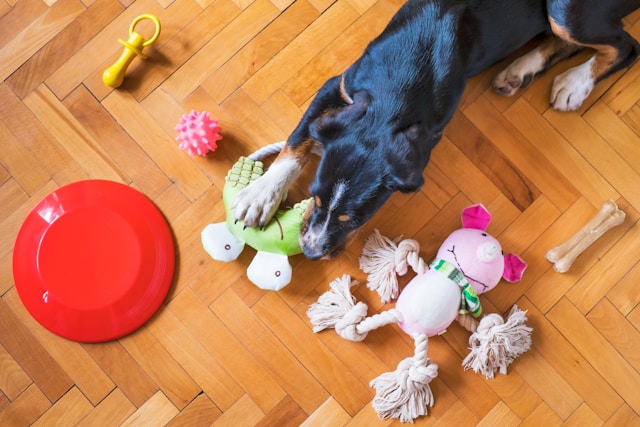
- Interactive Puzzle Toys: These toys challenge a dog’s cognitive abilities, encouraging them to focus on problem-solving rather than their anxieties. Examples include treat-dispensing puzzles and hide-and-seek toys where dogs must figure out how to retrieve a hidden reward.
- Chew Toys: Chewing is a natural stress-reliever for dogs. Durable chew toys provide an outlet for anxious energy and can prevent destructive behaviors such as chewing on furniture.
- Comfort Toys: Similar to a child’s security blanket, comfort toys are often soft and plush, providing a sense of security. Dogs may carry these toys around or cuddle with them, especially during stressful situations like thunderstorms.
Selecting the Right Toy for Your Dog
Selecting an appropriate toy involves considering your dog’s size, chewing habits, and anxiety triggers. Here are some guidelines to help you choose the best toy:
Match the Toy to Your Dog’s Size and Strength
A toy that is too small can be a choking hazard, while one that is too large may not engage your dog effectively. Ensure that the toy is appropriately sized for your dog to interact with comfortably and safely.
Consider Chewing Habits
For dogs with strong chewing habits, opt for durable materials such as rubber or nylon that can withstand rigorous chewing. Softer toys are more suitable for light chewers or puppies.
Identify Triggers and Needs
If your dog is prone to separation anxiety, toys that dispense treats or require problem-solving can provide distraction and keep them occupied in your absence. For dogs with fear-based anxiety, comfort toys that they can snuggle may offer reassurance.
Establishing Effective Play Routines
Consistent play routines can significantly contribute to managing anxiety. Here are some strategies to incorporate into your daily schedule:
Regular Playtimes
Set aside specific times each day for play. This routine can provide a sense of stability and predictability, which is beneficial for anxious dogs. Morning and evening sessions work well for most dogs, but adjust according to your schedule.
Supervised Play Sessions
Initially, supervise your dog during play sessions with new toys to ensure safety and teach them how to use interactive toys correctly. This supervision can also strengthen your bond as it becomes a shared activity.
Rotate Toys
Keep playtime exciting by rotating toys every few days. This prevents boredom and maintains interest. Be sure to reintroduce previously used toys as they might reignite interest due to their temporary absence.
Customizing Play Based on Behavior
Understanding and customizing play routines based on your dog's unique behavior and preferences can enhance the effectiveness of using toys to ease anxiety.
Observe and Adapt
Pay attention to which toys your dog gravitates towards and how they interact with them. If they seem more relaxed after playing with certain toys, consider incorporating those more frequently into their routine.
Engage in Interactive Play
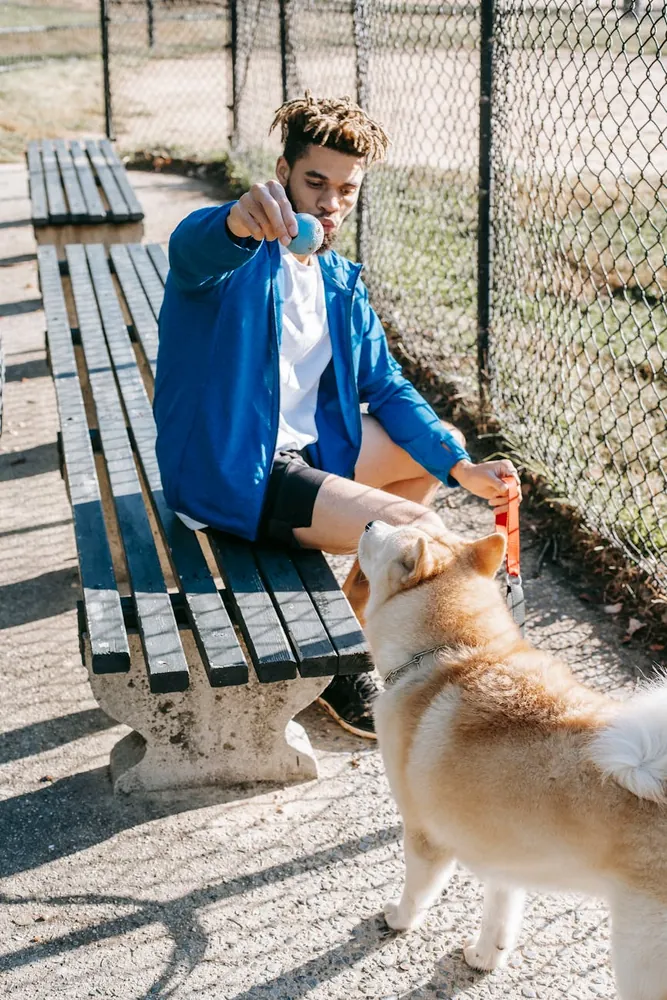
Whenever possible, engage with your dog using the toys. Fetch games with a ball or tug-of-war with a sturdy rope toy not only burn off excess energy but also strengthen your relationship.
The Benefits of Consistent Toy Use
The consistent use of well-chosen toys can have long-lasting benefits beyond immediate anxiety relief:
- Mental Stimulation: Regular use of puzzle toys keeps your dog mentally sharp and reduces the likelihood of developing destructive behaviors borne out of boredom.
- Physical Exercise: Active play helps maintain a healthy weight and improves overall physical health, contributing to lower stress levels.
- Emotional Well-being: Engaging with comforting toys during stressful times can enhance emotional resilience, leading to a calmer demeanor over time.
Troubleshooting Common Challenges
If your dog shows no interest in new toys or becomes overly possessive, here are some solutions:
Lack of Interest in Toys
Introduce toys slowly and try different types to see what appeals most. Engaging in play alongside them initially can also increase interest. Sometimes, using treats or scent markers on the toys can pique curiosity.
Possessiveness Over Toys
If your dog becomes possessive, establish rules about sharing and taking turns during playtime. Practice commands like 'leave it' or 'give' to encourage respectful behavior around their toys.
Conclusion
Using toys strategically can be a powerful tool in alleviating anxiety in dogs. By selecting appropriate toys, establishing consistent play routines, and tailoring activities to meet individual needs, pet owners can significantly enhance their dogs' mental health and overall well-being. Remember that each dog is unique, so remain patient and attentive to their responses as you introduce these changes into their routine.