Understanding Separation Anxiety in Dogs
Separation anxiety is a prevalent issue among dogs, characterized by distress and behavioral problems that occur when they are left alone or separated from their owners. This condition not only impacts the well-being of the pet but can also lead to household disruptions. Understanding and addressing this issue is crucial for maintaining a healthy relationship with your furry friend.
Recognizing the Signs of Separation Anxiety
The first step in managing separation anxiety is recognizing its signs. Common indicators include excessive barking or howling, destructive behavior such as chewing furniture, attempts to escape, and even self-harm like chewing paws. Dogs might also pace, salivate excessively, or become agitated when their owner prepares to leave the house.
Real-Life Example: Max's Journey to Calm
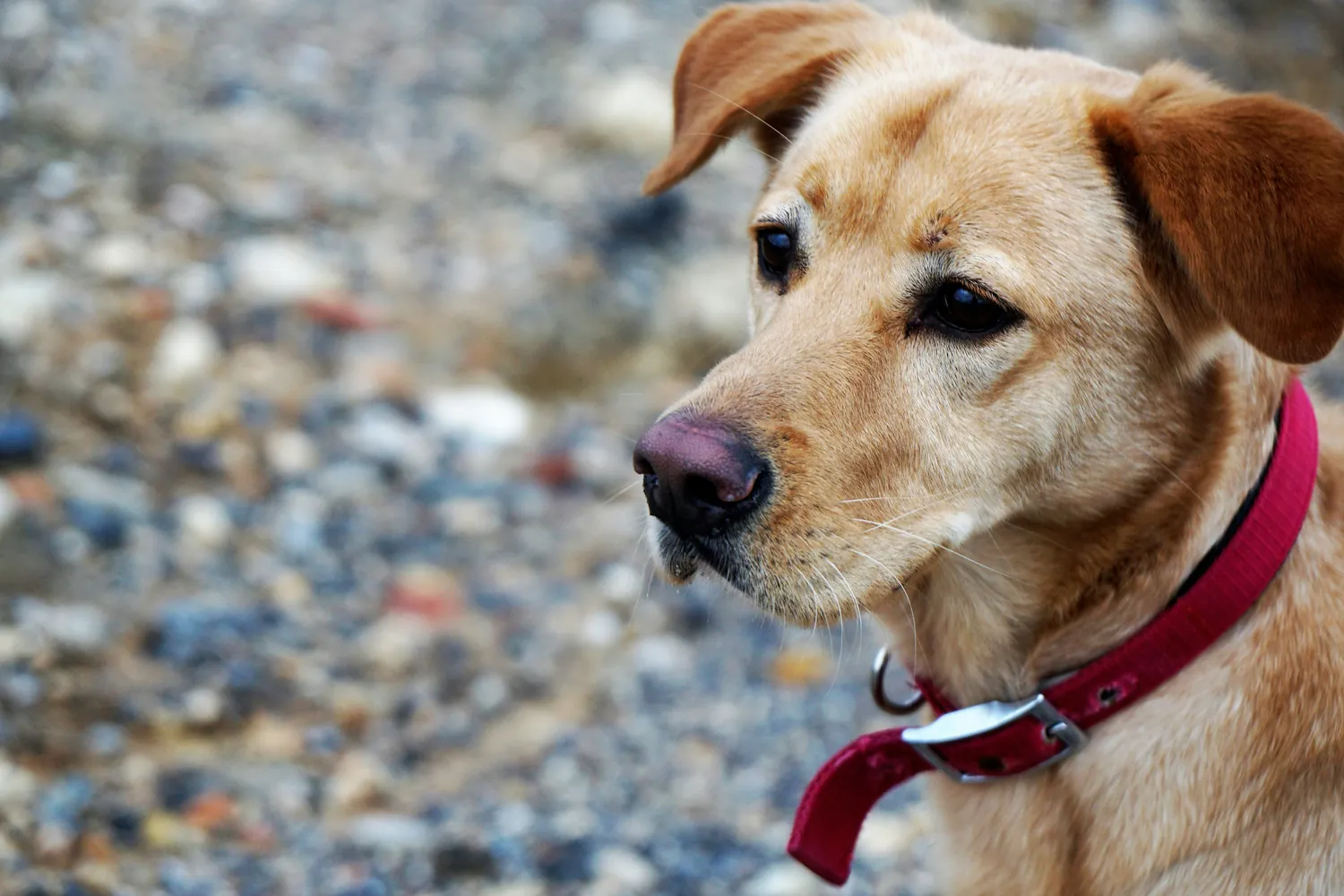
Consider the case of Max, a three-year-old Labrador Retriever. Whenever Max's owner left the house, he would bark incessantly, chew on door frames, and occasionally have accidents indoors despite being fully house-trained. These behaviors were classic signs of separation anxiety, confirmed by a veterinary behaviorist.
Effective Strategies to Alleviate Separation Anxiety
Once separation anxiety is identified, several strategies can help alleviate your dog's distress. The key is consistency and patience as you implement these techniques.
Gradual Desensitization
This involves slowly acclimating your dog to being alone. Start by leaving your dog alone for short periods, gradually increasing the duration as they become more comfortable. Use cues like picking up keys without leaving to help your dog disassociate these actions from your departure.
- Step 1: Begin with leaving your dog for just a few minutes. Reward calm behavior with treats upon return.
- Step 2: Increase the time away gradually, ensuring each session ends on a positive note.
Max's owner implemented this technique by initially stepping outside for two minutes, slowly extending the time as Max became less anxious.
Create a Safe Environment
A comfortable environment can significantly reduce anxiety. Consider using a crate if your dog finds it comforting, or set up a dedicated space with familiar toys and bedding.
For Max, his owner set up a quiet corner with his favorite blanket and toys. This 'safe space' became a reassuring haven for him during times of solitude.
Counterconditioning
This technique aims to change your dog's negative association with being alone into a positive one. Provide a special treat or toy that your dog only receives when you leave. Over time, your dog may start looking forward to this unique reward, associating your absence with something pleasant.
Max responded well to a puzzle toy filled with peanut butter that he only got when his owner was out.
Additional Supportive Techniques
Regular Exercise
A tired dog is often a relaxed dog. Regular physical activity helps burn excess energy and reduce anxiety levels. Schedule walks or play sessions before leaving home to help your dog settle down more easily during your absence.
Mental Stimulation
Mental challenges can keep your dog occupied and reduce boredom-induced anxiety. Toys that dispense treats or require problem-solving can be particularly effective.
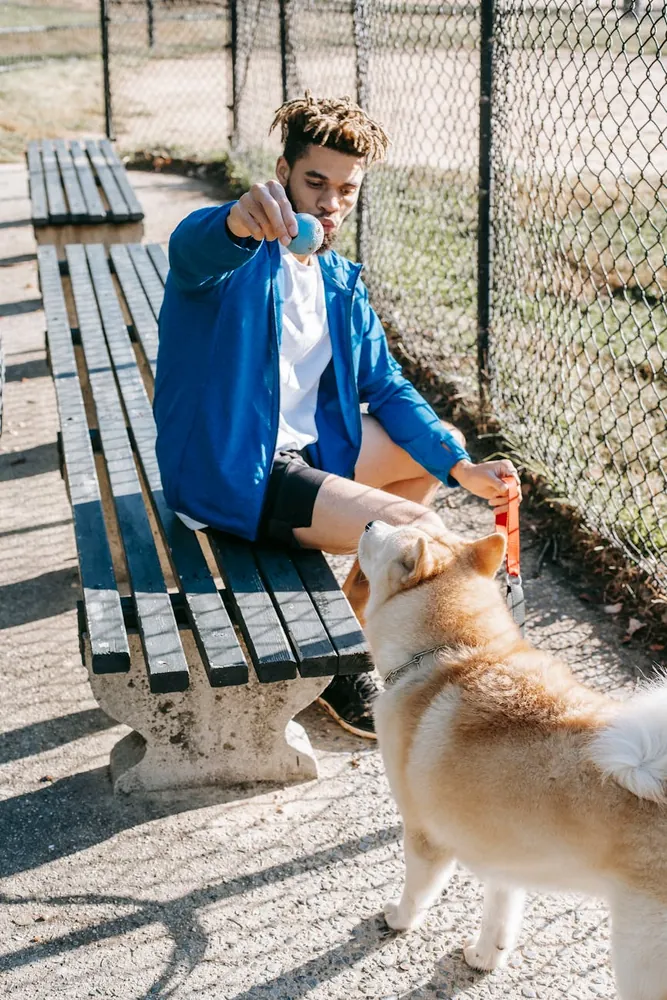
Max's routine included morning fetch sessions and interactive toys that kept him engaged throughout the day.
Professional Help
If your dog's anxiety remains severe despite these efforts, consider consulting a professional trainer or veterinary behaviorist. They can offer tailored advice and potentially prescribe medications that can aid in managing anxiety symptoms.
Conclusion: Patience and Persistence Pay Off
Addressing separation anxiety in dogs requires time, effort, and commitment. By understanding your pet's needs and implementing these strategies consistently, you can significantly improve their quality of life and your own peace of mind. With patience, dogs like Max can overcome their fears and thrive even when left alone.