Recognizing Anxiety in Rescue Dogs
Bringing a rescue dog into your home is both a rewarding and challenging experience. These dogs, often coming from uncertain backgrounds, may exhibit anxiety that manifests in various behaviors. Identifying these signs early can significantly aid in their emotional rehabilitation and integration into your family.
Anxiety in dogs, particularly those with histories of neglect or trauma, can present as both physical and behavioral symptoms. Recognizing these symptoms is the first step toward creating a supportive environment for your new pet.
Common Signs of Anxiety
Rescue dogs can express anxiety in numerous ways. Here are some key indicators:
- Excessive Barking: While barking is a natural form of communication for dogs, excessive barking can be a sign of distress or discomfort.
- Destructive Behavior: Chewing furniture or personal items may indicate stress, particularly if it occurs when the dog is left alone.
- Pacing or Restlessness: Dogs that can't seem to settle down may be experiencing anxiety.
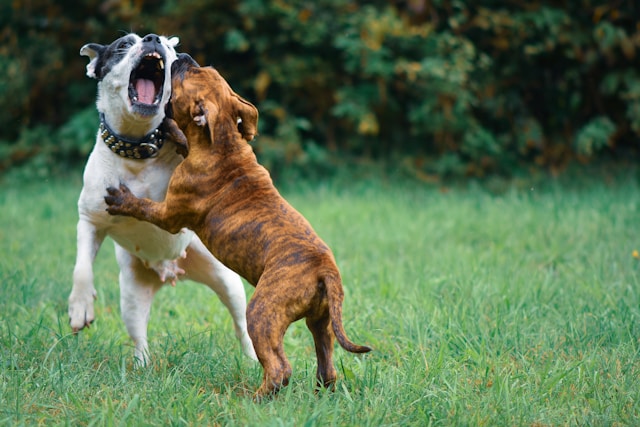
- Aggression: Fear-based aggression can occur if a dog feels threatened or overwhelmed.
- Withdrawal: Some anxious dogs may isolate themselves or refuse interaction, signaling discomfort or fear.
Creating a Calming Environment
The environment you create for your rescue dog plays a crucial role in reducing anxiety. A consistent, safe, and comforting space helps them adjust more easily to their new surroundings.
Establishing a Safe Space
Designate a quiet area in your home where your dog can retreat when feeling overwhelmed. This could be a cozy corner with their bed and favorite toys. Ensure this space is free from loud noises and foot traffic to provide a peaceful retreat.
Consistently using this area during stressful situations can help your dog associate it with safety and calmness, aiding their long-term emotional stability.
Implementing Consistent Routines
Dogs thrive on routine, which provides them with a sense of predictability and security. Regular feeding times, walks, and play sessions help them understand what to expect each day, reducing stress associated with uncertainty.
- Feeding Schedules: Provide meals at the same times each day to establish routine.
- Walks: Plan daily walks at regular intervals to encourage physical exercise and mental stimulation.
- Playtime: Engage in interactive play sessions that not only enhance bonding but also help dissipate pent-up energy.
Using Positive Reinforcement Techniques
Positive reinforcement is an effective method for fostering confidence in your rescue dog. By rewarding desirable behavior, you can encourage repeat actions and gradually diminish anxiety-induced responses.
The Power of Rewards
Treats, praise, and affection serve as powerful incentives for dogs. Whenever your rescue dog exhibits calm behavior or successfully interacts with their environment without fear, reward them immediately. This creates positive associations with specific actions or contexts.
Training Exercises
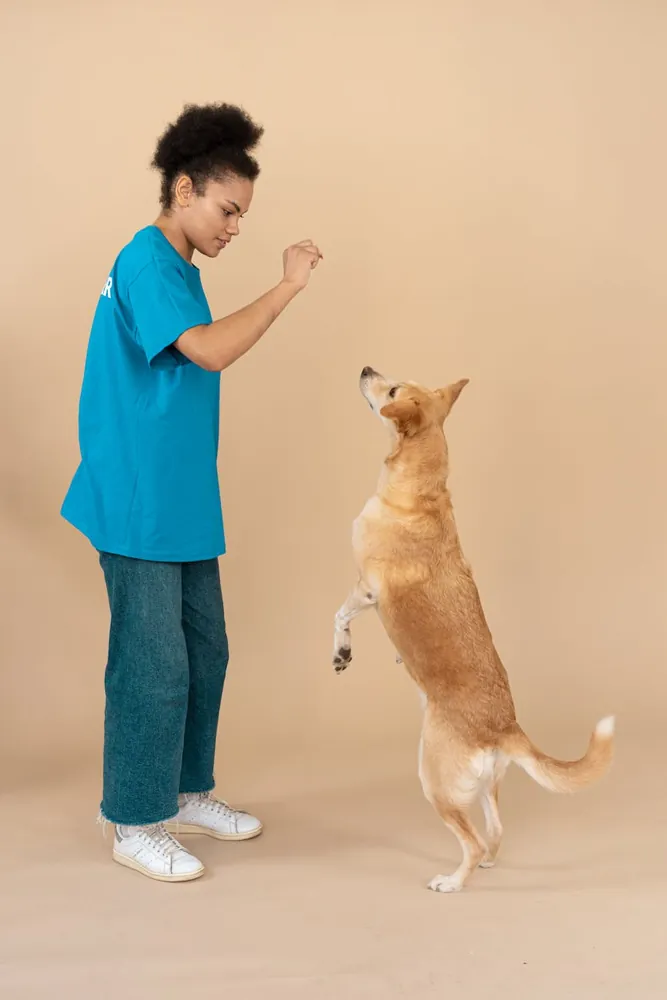
Incorporate training exercises that build confidence. Simple commands like 'sit', 'stay', and 'come' can be taught through repetition and reward. Over time, these exercises not only improve obedience but also instill a sense of accomplishment in your dog.
Avoid negative reinforcement such as shouting or punishment, which can increase anxiety and hinder the development of trust between you and your rescue dog.
Building Confidence Through Socialization
Gradual socialization helps rescue dogs become comfortable in various settings and with different people and animals. However, it must be done carefully to prevent overwhelming them.
Controlled Exposure
Introduce new experiences slowly and under controlled conditions. Begin with environments that are quiet and gradually increase the level of activity as your dog's confidence grows.
- Short Walks: Start with short walks in calm areas before progressing to busier locales.
- Supervised Playdates: Arrange meetings with well-behaved dogs known to be friendly and non-threatening.
Monitoring Body Language
Your dog's body language will provide cues about their comfort level. Signs such as a relaxed posture and wagging tail indicate ease, while pinned ears or a tucked tail suggest stress. Being attentive allows you to adjust exposure levels accordingly.
The Role of Professional Help
If anxiety persists despite your best efforts, consider consulting a professional animal behaviorist. These experts can offer tailored strategies based on the unique needs of your rescue dog.
Finding the Right Professional
Seek professionals with certifications from reputable organizations, such as the International Association of Animal Behavior Consultants (IAABC) or the Certification Council for Professional Dog Trainers (CCPDT). Their expertise ensures informed approaches to managing anxiety effectively.
Conclusion
Nurturing a rescue dog through their anxieties is a journey that requires patience, understanding, and consistency. By identifying anxiety symptoms early, creating a supportive environment, using positive reinforcement, encouraging socialization, and seeking professional guidance when necessary, you can help your rescue dog transition from anxious to assured. The bond you'll build during this process will be both enriching and enduring for you and your new companion.