
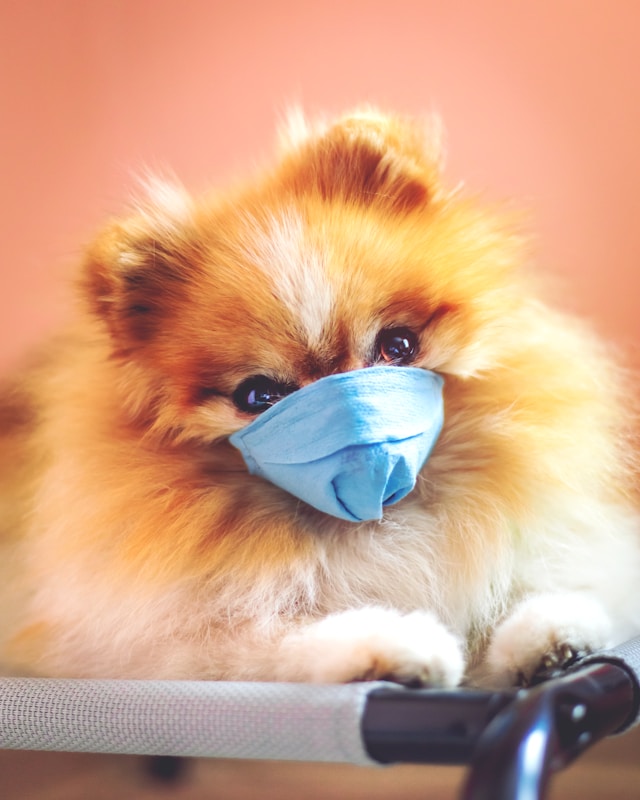
Understanding Canine Kennel Cough
Kennel cough, medically known as infectious tracheobronchitis, is a highly contagious respiratory disease in dogs. It primarily affects the dog's windpipe (trachea) and bronchial tubes, leading to a persistent cough.
Symptoms of Kennel Cough in Dogs
- Persistent, Dry Cough: Often described as a 'honking' sound, this is the most characteristic symptom.
- Sneezing and Nasal Discharge: Some dogs may also exhibit a runny nose.
- Lethargy: Dogs may appear more tired than usual.
- Loss of Appetite: While not always present, some dogs might eat less due to throat discomfort.
The severity of symptoms can vary. In mild cases, the dog remains active and maintains appetite, whereas severe infections might lead to a more significant impact on general health.
Treatment Options for Kennel Cough
Treatment primarily focuses on relieving symptoms and may include:
- Cough Suppressants: These help in alleviating the persistent cough.
- Antibiotics: In case of bacterial infection, antibiotics may be prescribed.
- Rest: Ensuring the dog gets plenty of rest is crucial.
Most cases resolve within two weeks with appropriate care, although severe cases may require extended treatment.
Preventive Measures for Kennel Cough
Prevention strategies focus on vaccination and minimizing exposure:
- Vaccination: Vaccines against Bordetella bronchiseptica, parainfluenza virus, and canine adenovirus type 2 are commonly used.
- Avoid Crowded Places: Keeping dogs away from crowded areas like kennels or dog parks during outbreaks can reduce risk.
While vaccination doesn't guarantee full immunity, it significantly reduces the severity of symptoms.
Feline Breathing Infections: An Overview
Unlike kennel cough in dogs, respiratory infections in cats often result from viral infections like feline herpesvirus or calicivirus. Bacterial infections such as Bordetella bronchiseptica and Chlamydophila felis can also play a role.
Symptoms of Respiratory Infections in Cats
- Sneezing and Runny Nose: Frequent sneezing and nasal discharge are common symptoms.
- Coughing: While less common than in dogs, some cats may develop a cough.
- Eye Discharge: Conjunctivitis or watery eyes is a frequent symptom, especially with viral infections.
- Lethargy and Fever: Cats often show decreased activity levels and might develop a fever.
The progression can vary; while some cats recover swiftly, others might face prolonged symptoms, particularly if secondary bacterial infections occur.
Treatment Approaches for Feline Respiratory Infections
Treatment typically involves supportive care along with specific interventions depending on the cause:
- Nutritional Support: Ensuring the cat maintains proper nutrition is vital, especially if they're refusing to eat.
- Antibiotics: Prescribed if a bacterial infection is suspected or confirmed.
- Nebulization: Inhaling mist treatments can help clear airway congestion.
The goal is to support the cat's immune system while preventing secondary complications. Recovery times can vary significantly among individuals.
Preventive Strategies for Feline Respiratory Infections
Preventive measures focus on vaccination and reducing stress factors:
- Core Vaccinations: Vaccinations against feline herpesvirus and calicivirus are essential components of feline health plans.
- Stress Reduction: Minimizing stress through stable environments and routine helps reduce flare-ups of viral infections.
The combination of vaccinations and environmental management plays a crucial role in prevention.
When to Seek Veterinary Care
The need for veterinary intervention depends on symptom severity and persistence in both dogs and cats:
Kennel Cough in Dogs
- If coughing persists beyond 7 days or worsens despite home care.
- If the dog exhibits difficulty breathing or refuses food for over 24 hours.
Respiratory Infections in Cats
- If symptoms persist beyond a week or worsen over time.
- If there's labored breathing or the cat stops eating for more than a day.
Prompt veterinary care ensures timely interventions that prevent complications, aiding quicker recovery for your pet.