Understanding Canine Distemper and Parvovirus
Both canine distemper and parvovirus represent significant viral infections that can have devastating effects on dogs. They are highly contagious, affecting thousands of dogs globally each year. While they share some overlapping symptoms, the approach to their management and treatment varies significantly due to differences in the viruses themselves and how they interact with the canine body.
Overview of Canine Distemper
Canine distemper is caused by a paramyxovirus, which is closely related to the virus responsible for measles in humans. It targets several bodily systems, including the respiratory, gastrointestinal, and central nervous systems, leading to a complex clinical presentation. Symptoms can range from mild respiratory distress to severe neurological issues.
Example Case: A three-year-old Labrador named Max exhibited symptoms such as nasal discharge, coughing, and fever. Initially misdiagnosed with a common cold, his condition progressed to seizures within weeks, highlighting the disease's aggressive nature.
Overview of Parvovirus
Parvovirus, specifically the canine parvovirus type 2 (CPV-2), primarily affects rapidly dividing cells in the body. The most impacted areas include the intestinal lining and bone marrow. Dogs affected by parvovirus exhibit symptoms like severe diarrhea, vomiting, and dehydration.
Example Case: Bella, a young Beagle puppy, suddenly refused to eat and became lethargic. Within days, she developed bloody diarrhea and severe dehydration, leading her owner to seek urgent veterinary care. Swift intervention was crucial for her recovery.
Symptoms: Spotting the Signs Early
Common Symptoms of Canine Distemper
- Fever
- Watery nasal discharge
- Coughing
- Lethargy
- Anorexia
- Vomiting and diarrhea
- Seizures (in advanced cases)
Distemper’s symptom variability can make early detection challenging. In Max's case, initial symptoms mimicked less severe infections, delaying critical interventions.
Common Symptoms of Parvovirus
- Loss of appetite
- Severe vomiting
- Bloody diarrhea
- Fever or hypothermia
- Lethargy
- Rapid weight loss
The speed at which parvovirus progresses demands immediate attention. Bella’s swift decline underscores the importance of early veterinary consultation when any of these symptoms appear.
Treatment Strategies: Tailored Approaches
Treating Canine Distemper
As there is no cure for distemper, treatment focuses on supportive care to strengthen the immune system and manage symptoms. This includes:
- Fluid therapy: To combat dehydration and electrolyte imbalances.
- Antibiotics: To prevent secondary bacterial infections due to weakened immunity.
- Nutritional support: High-calorie diets can help maintain energy levels during recovery.
- Neurological treatment: Medications may be prescribed for managing seizures or other neurological symptoms.
The broad scope of distemper necessitates a multi-faceted approach tailored to each dog's symptoms and progression of the disease.
Treating Parvovirus
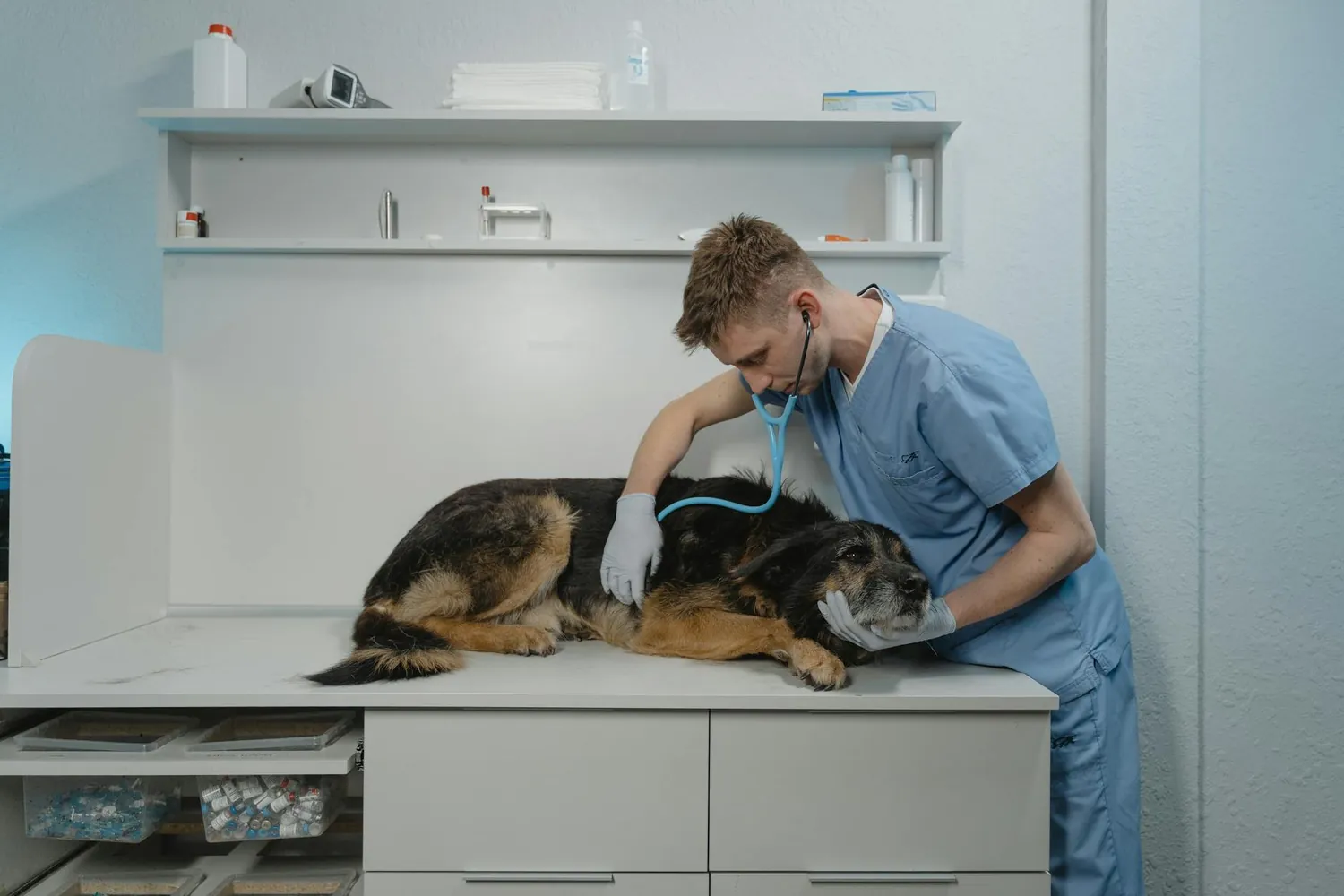
Parvovirus treatment similarly involves intensive supportive care focused on reversing dehydration and preventing secondary infections:
- Aggressive fluid therapy: Often requiring intravenous administration to quickly restore hydration.
- Antiemetics: To reduce vomiting, thus decreasing further dehydration risks.
- Nutritional support: Diets that are easily digestible help sustain energy without burdening the compromised digestive system.
Bella’s treatment was successful due to rapid intervention combining all these elements to stabilize her condition over several days of hospitalization.
Disease Management and Prevention
Preventative Measures for Distemper and Parvovirus
The best defense against both illnesses is prevention through vaccination. Puppy vaccines typically cover both diseases, with booster shots throughout adulthood ensuring sustained immunity.
- Puppy vaccination schedule: Puppies should begin their vaccinations at 6-8 weeks of age, continuing until at least 16 weeks.
- Adult boosters: These are crucial for maintaining immunity over a dog's lifetime.
A committed vaccination program significantly reduces disease incidence in community settings like kennels and dog parks.
The Role of Quarantine and Hygiene
The contagious nature of both viruses also calls for strict hygiene practices and quarantine measures when dealing with infected dogs:
- Infected dogs should be isolated from other animals to prevent spread.
- Disinfecting surfaces regularly with appropriate cleaning agents reduces viral presence in environments frequented by dogs.
These steps are particularly important in shelters or homes with multiple pets where one case could lead to widespread transmission.
The Human Element: Emotional Support for Pet Owners
The emotional toll on pet owners during these illnesses cannot be underestimated. Balancing hope with realistic outcomes requires clear communication from veterinarians, providing owners with comprehensive care plans and expectations.
For example, during Bella’s hospital stay, her vet not only updated her owner daily but also provided resources for post-recovery care at home, easing the transition back into a normal routine. Such support systems play a vital role in overall treatment efficacy, enhancing not just physical recovery but emotional wellbeing for both pets and their human companions.