The Importance of Choosing the Right Shampoo
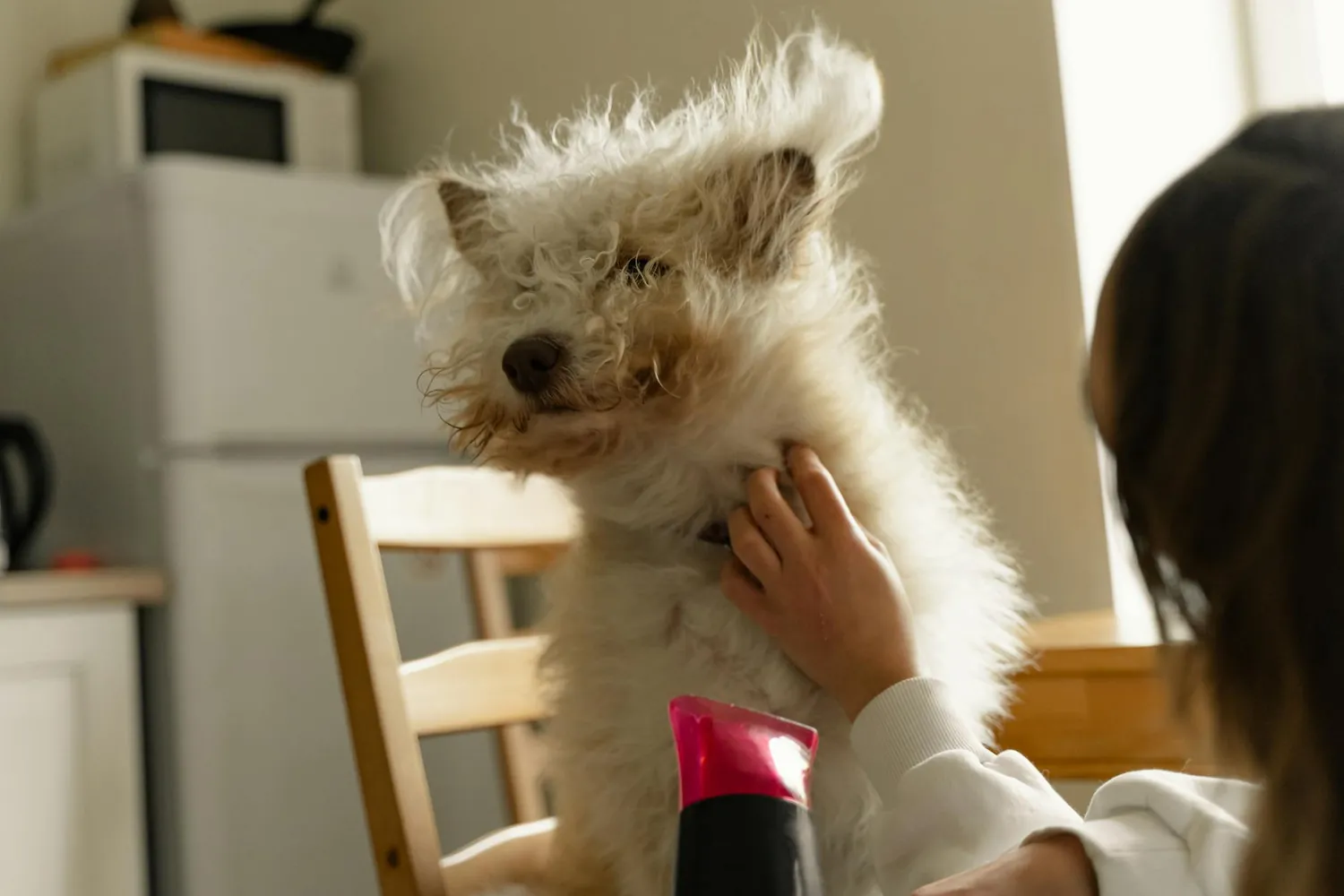
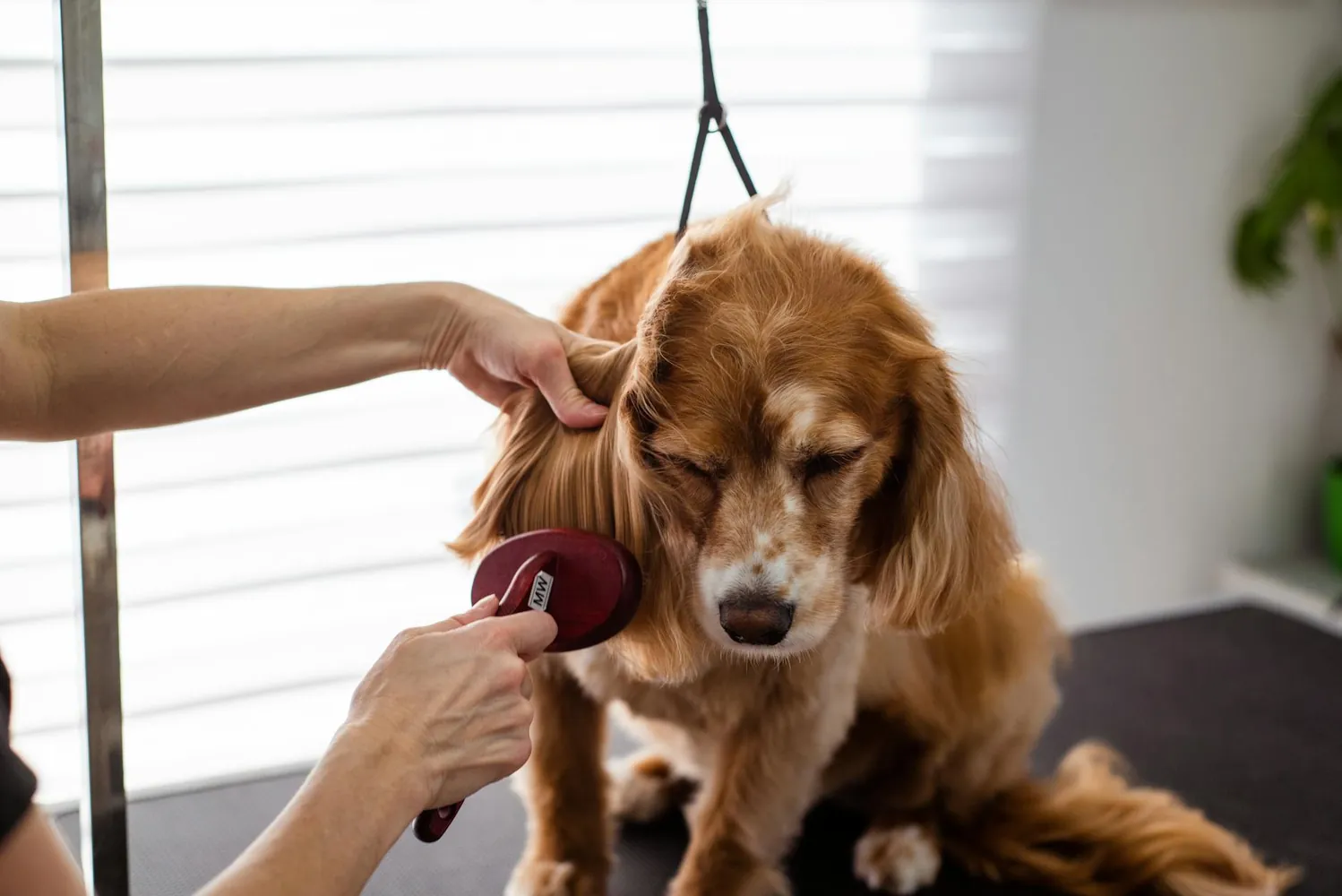
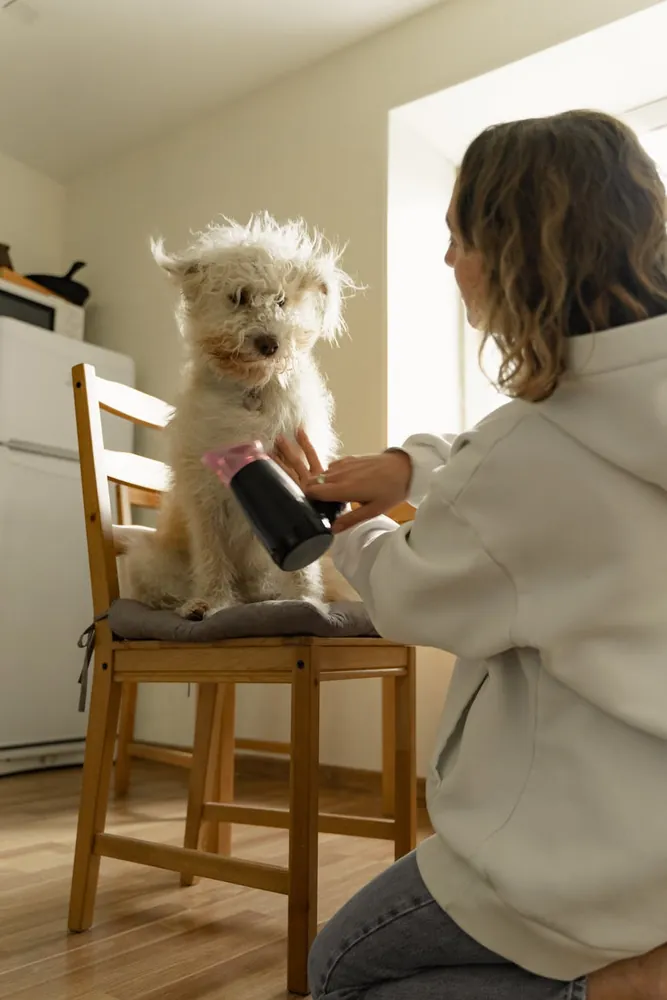
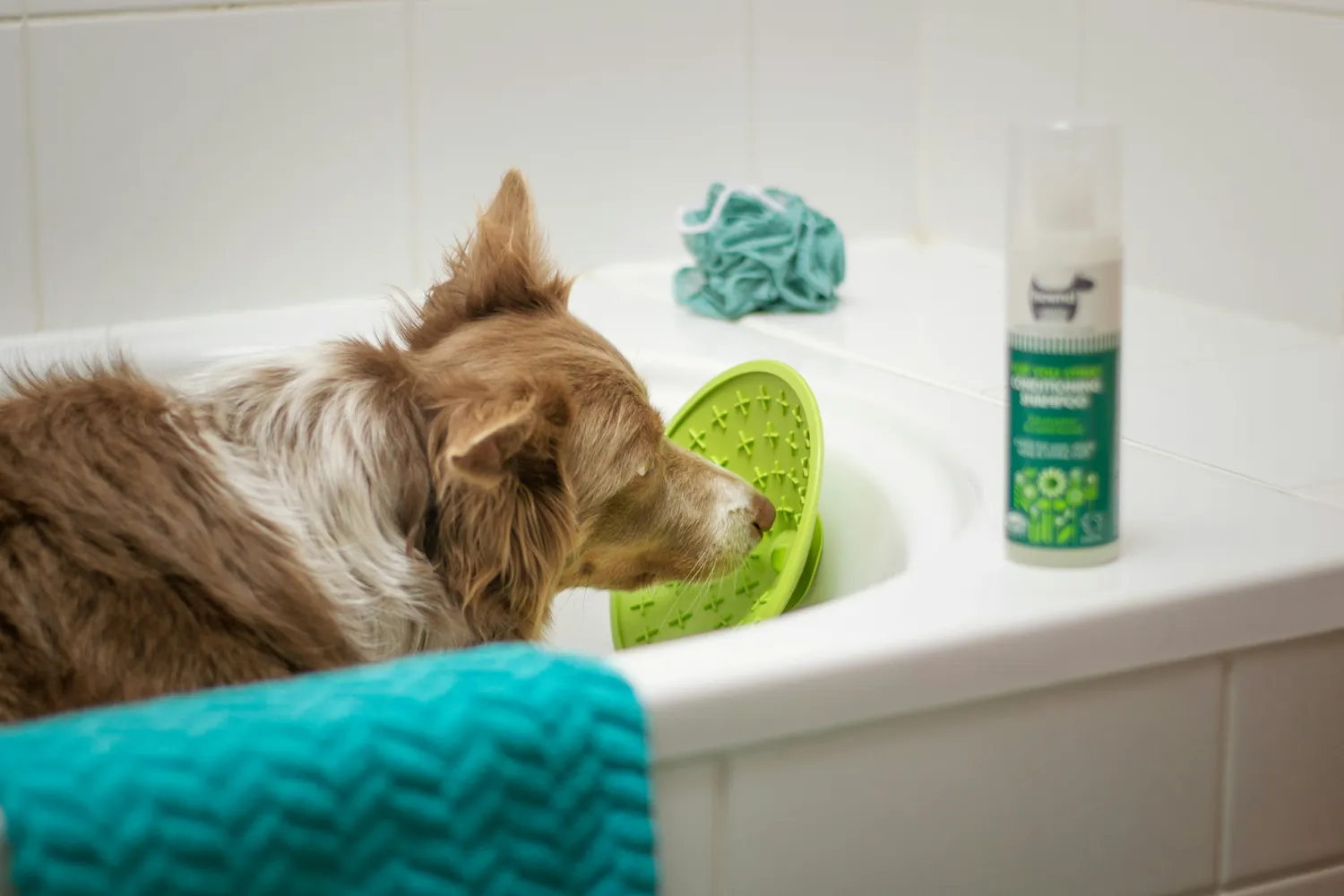
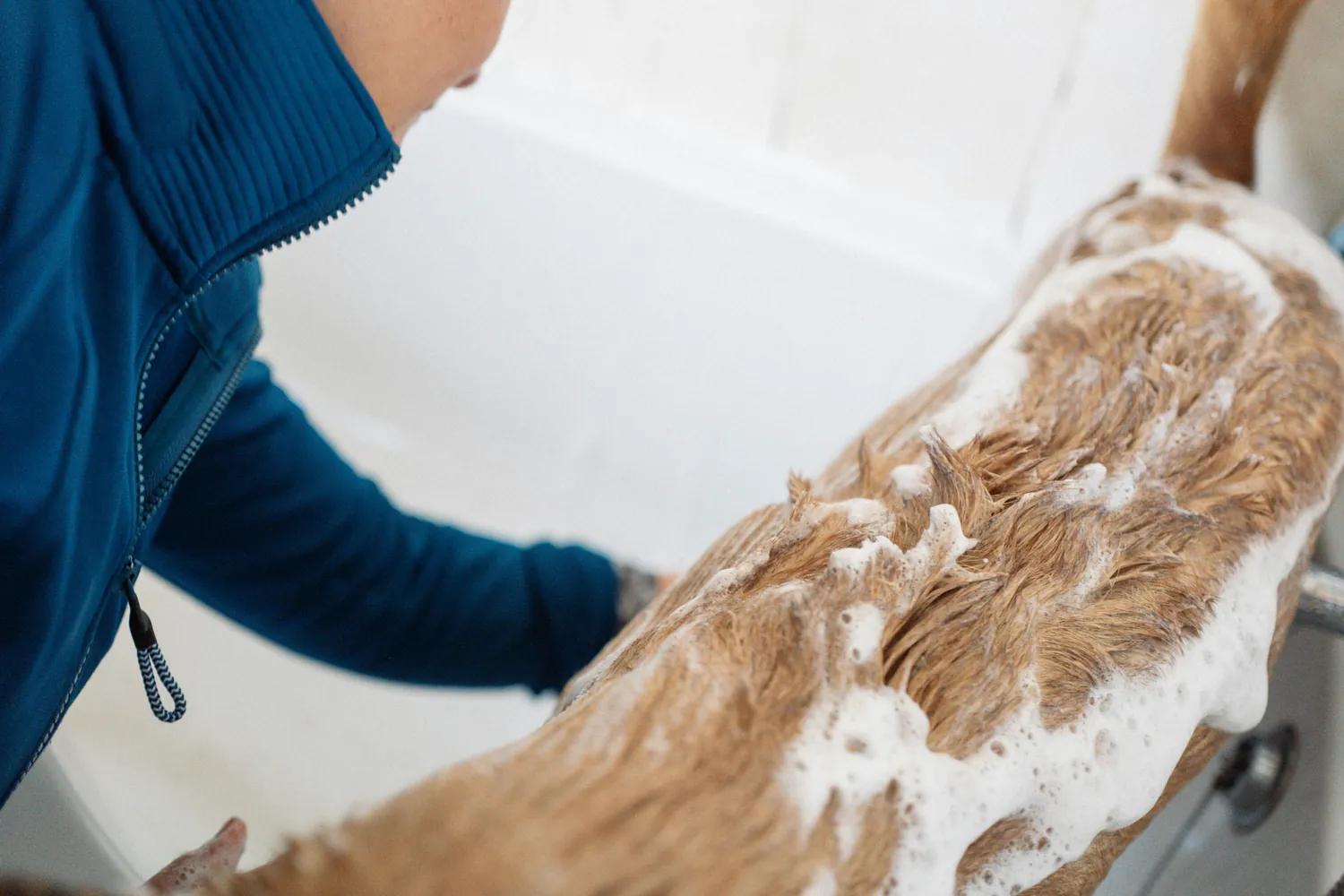
When it comes to our furry companions, ensuring their overall health includes taking care of their skin and coat. Grooming is not just about aesthetics; it's vital for maintaining skin health, preventing infections, and keeping your dog comfortable. A crucial part of grooming involves selecting the right shampoo, which can be particularly challenging given the array of products available on the market.
Understanding Natural Dog Shampoos
Natural dog shampoos are formulated with ingredients derived from plants and other natural sources. These shampoos typically exclude synthetic chemicals, fragrances, and colors. Instead, they may contain essential oils, herbal extracts, and other mild surfactants that clean without stripping away natural oils from the skin.
Key Ingredients in Natural Shampoos
- Aloe Vera: Known for its soothing properties, aloe vera helps in moisturizing and calming irritated skin.
- Oatmeal: Oatmeal can relieve itching and is excellent for dogs with sensitive skin.
- Coconut Oil: Provides hydration and has antibacterial properties.
- Lavender Oil: Not only does it have a pleasant scent, but lavender oil also has antifungal properties.
These ingredients collectively work towards enhancing the moisture retention of your dog's skin while providing a gentle cleansing effect.
Benefits of Natural Shampoos
Natural shampoos offer multiple advantages, especially for dogs with sensitive or allergy-prone skin. They tend to be biodegradable and environmentally friendly. Moreover, these shampoos minimize the risk of chemical exposure, which could lead to long-term health issues.
For instance, consider a dog named Max who has recurrent skin allergies. After switching from a chemical-based shampoo to one containing oatmeal and aloe vera, his owner noticed a significant reduction in scratching and irritation.
Examining Chemical-Based Dog Shampoos
Chemical-based dog shampoos often include artificial ingredients such as sulfates, parabens, and synthetic fragrances. While these components can be effective in cleaning and deodorizing, they may also irritate sensitive skin or exacerbate existing conditions.
Common Ingredients in Chemical Shampoos
- Sodium Lauryl Sulfate (SLS): A powerful cleansing agent that can strip oils from the skin.
- Parabens: Used as preservatives, these can potentially disrupt hormone functions.
- Artificial Fragrances: They provide scent but may cause allergic reactions in some dogs.
Despite these concerns, chemical shampoos can effectively eliminate fleas and ticks or address severe dermatological issues when used under veterinary guidance.
Drawbacks of Chemical Shampoos
The primary disadvantage is the potential for adverse reactions. A small example: Bella, a poodle with delicate skin, developed redness and rashes after using a shampoo containing synthetic fragrances. Her vet recommended switching to a hypoallergenic formula free from harsh chemicals, leading to improved skin condition.
Choosing the Right Shampoo for Your Dog
The choice between natural and chemical-based shampoos largely depends on your dog's specific needs, lifestyle, and any existing health conditions. Here’s a checklist to help guide you:
- Identify your dog's skin type (e.g., dry, oily, normal).
- Consider any known allergies or sensitivities.
- Evaluate the dog's coat length and type (e.g., short-haired vs. long-haired).
- Consult with your veterinarian for product recommendations if your dog has specific skin conditions.
Once you've evaluated these factors, test a small patch of skin with the chosen shampoo to ensure no adverse reactions occur before proceeding with a full bath.
Conclusion: Tailoring Shampoo Choice to Individual Needs
The decision between natural and chemical dog shampoos isn't straightforward; it requires understanding your pet’s unique needs. Both types of shampoos have their place in grooming practices. Natural formulas suit dogs with mild sensitivities and for routine grooming, whereas chemical shampoos may be necessary for targeted treatments under veterinary advice. Always observe your dog's reaction post-bath to adjust grooming products accordingly.