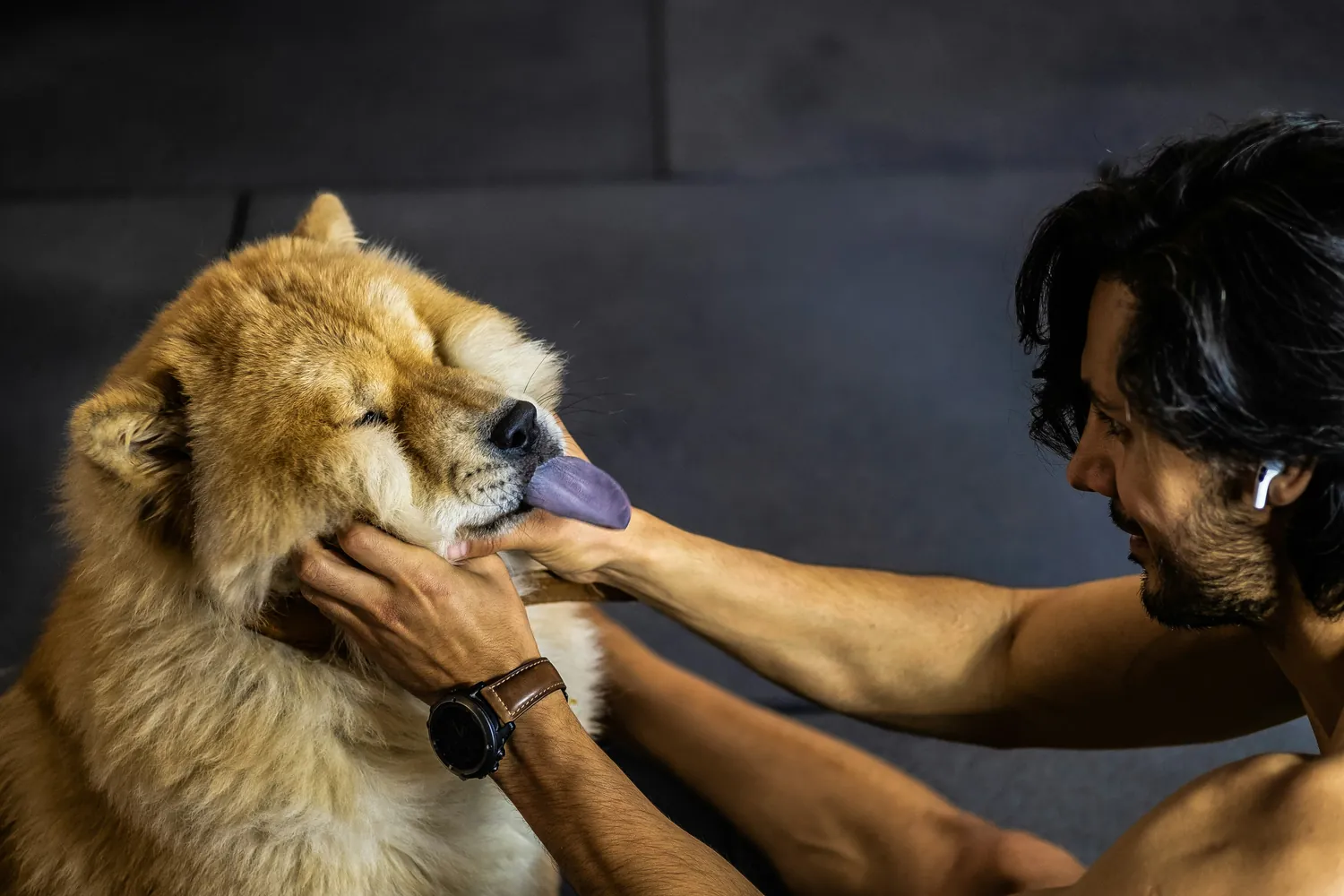
Understanding Canine Skin Health
Dogs, much like humans, can experience a variety of skin issues ranging from allergies to infections. As pet owners, it's crucial to understand the basics of canine skin health to provide effective care. The skin is not only the largest organ but also an essential barrier that protects your dog from external threats. Maintaining your dog's skin health is vital to ensure they remain comfortable and happy.
The Impact of Allergies on Dog Skin Health
Allergies are among the most common causes of skin irritation in dogs. These can be seasonal, environmental, or even food-related. Symptoms often include redness, itching, and excessive licking or scratching. Addressing these issues requires a multi-faceted approach, which includes both grooming techniques and dietary adjustments.
Identifying Allergy Triggers
The first step in managing skin health is identifying potential allergy triggers. Common allergens include pollen, dust mites, mold spores, and certain food ingredients. Observing your dog's reactions during different seasons and dietary changes can help pinpoint specific allergens.
Grooming Techniques to Alleviate Skin Irritation
Regular grooming plays a significant role in maintaining healthy skin. Here, we explore effective techniques that specifically target dogs suffering from allergies:
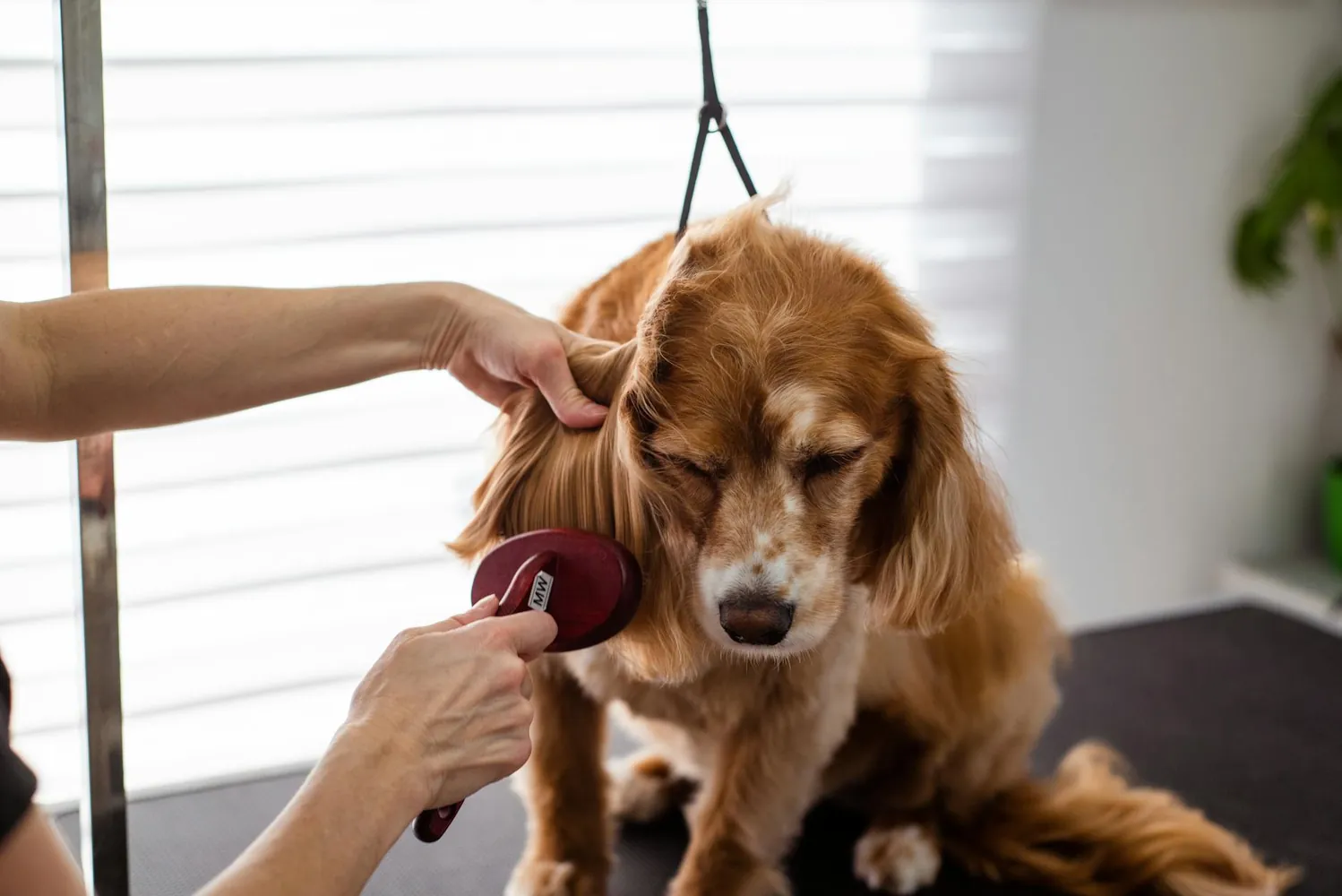
1. Regular Brushing
Brushing your dog’s coat regularly helps remove loose hair and dander, which can reduce the incidence of skin irritation. Opt for a brush suited to your dog’s coat type—slicker brushes work well for longer-haired breeds, while bristle brushes are ideal for short-haired dogs.
Consider setting a schedule:
- Short-haired breeds: Brush once a week.
- Medium- to long-haired breeds: Brush at least twice a week.
2. Hypoallergenic Shampoos
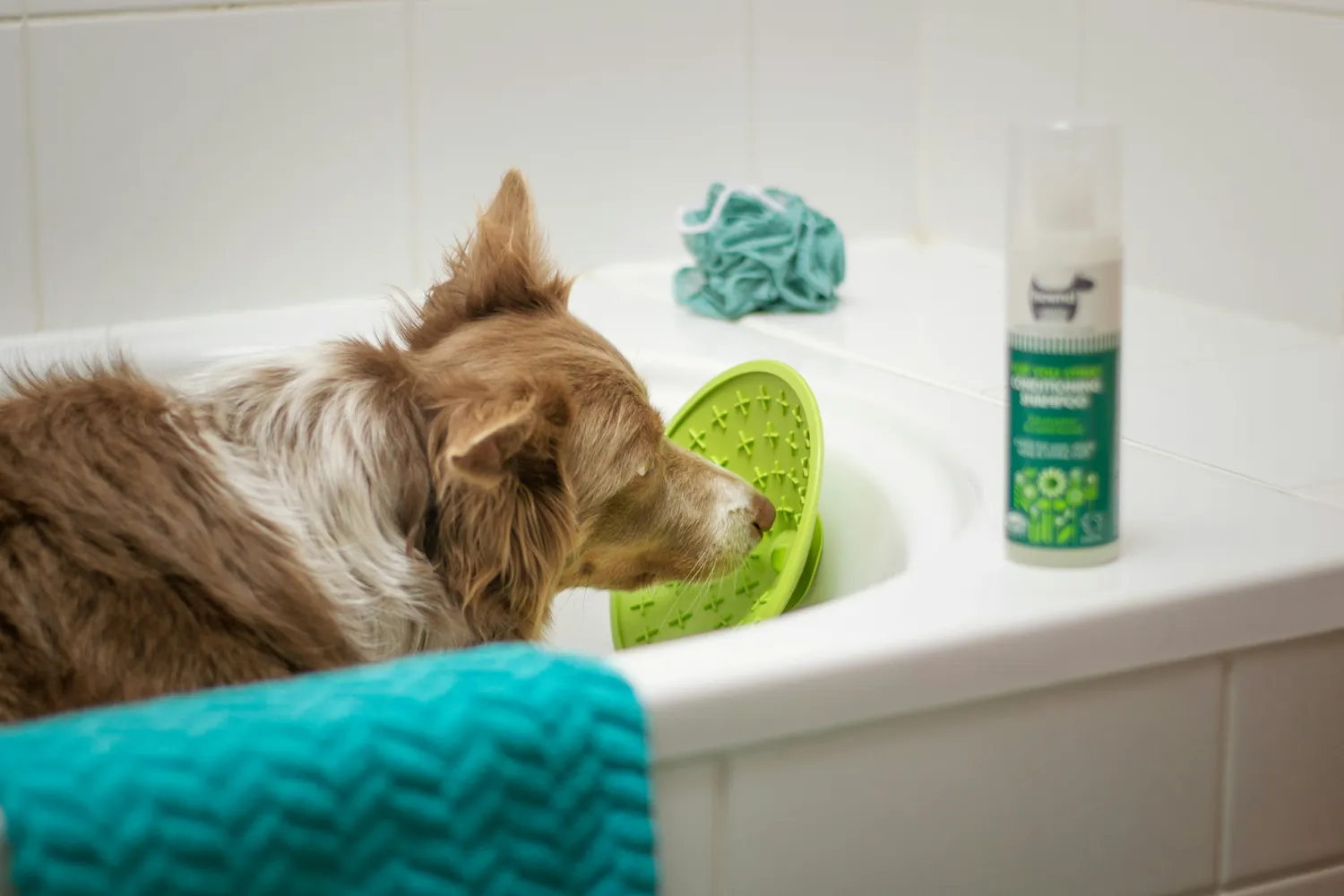
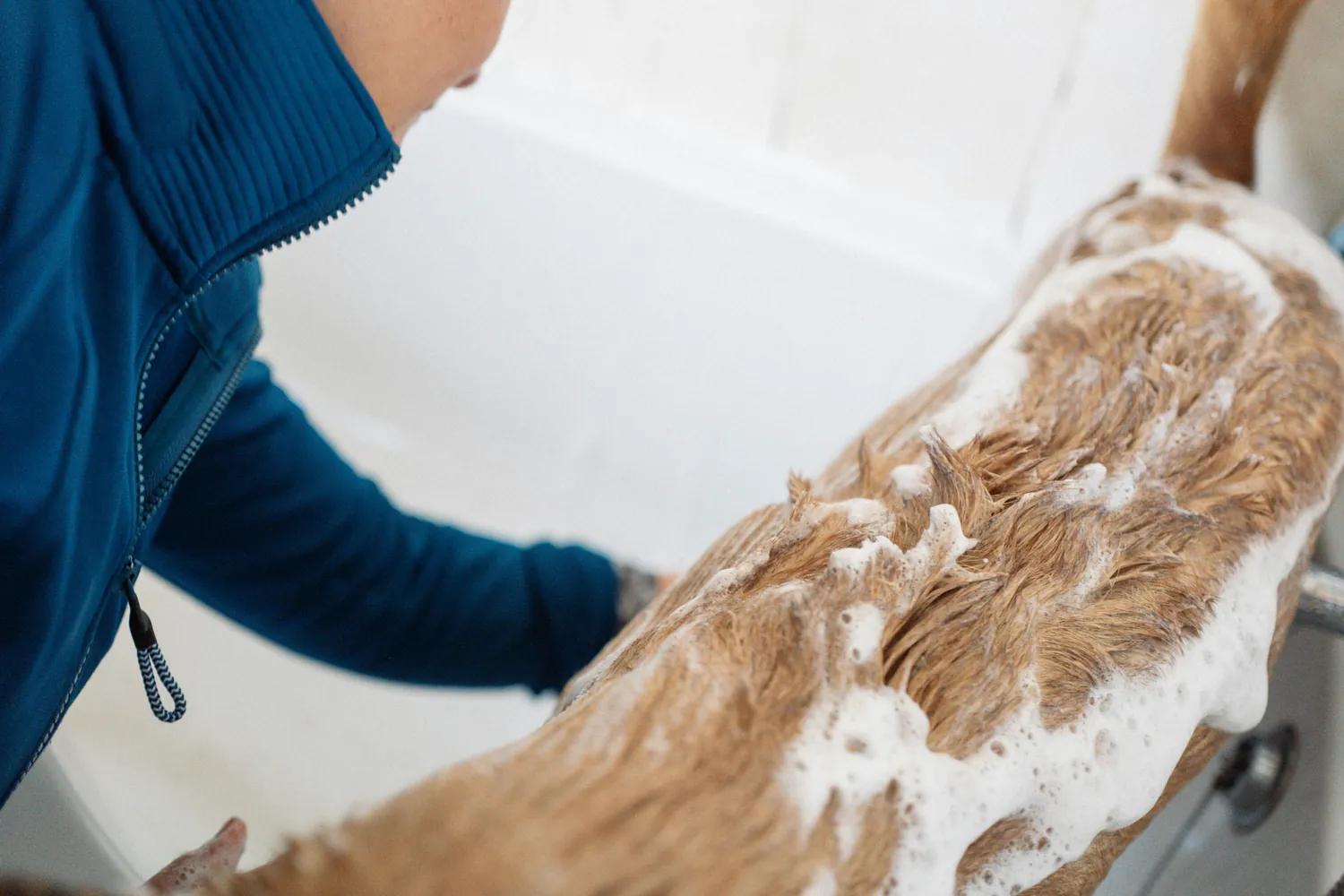
Bathing with hypoallergenic shampoos can soothe irritated skin and provide relief from itching. Look for shampoos containing natural ingredients such as oatmeal or aloe vera. These ingredients offer anti-inflammatory properties without harsh chemicals.
3. Proper Drying Techniques
Avoid leaving moisture on your dog’s skin after bathing, as this can exacerbate irritation. Use a towel or a low-heat blow dryer to thoroughly dry their coat. For dogs particularly prone to allergies, a cold air setting is preferable.
4. Topical Treatments
Incorporate topical treatments like coconut oil or chamomile extracts into your dog’s grooming regimen. These can be applied directly to affected areas to help soothe and heal irritated skin.
Product Recommendations for Skin Health
Choosing the right products can make a significant difference in managing your dog’s skin health. Below are some recommended products that are known for their efficacy in reducing skin irritation:
- TropiClean Oatmeal & Tea Tree Pet Shampoo: Ideal for soothing itchy skin while providing a thorough clean.
- Vet's Best Allergy Itch Relief Shampoo: A veterinarian-approved option that targets allergens effectively.
- Natural Dog Company Skin Soother: A balm that provides immediate relief for irritated patches.
The Role of Diet in Skin Health
A balanced diet rich in essential nutrients is fundamental to maintaining a healthy coat and skin. Dogs with skin issues often benefit from diets that include omega-3 fatty acids, which have been shown to reduce inflammation and improve overall coat condition.
Implementing Dietary Changes
If you suspect food allergies, consult with your veterinarian to adjust your dog's diet accordingly. Consider introducing hypoallergenic foods or limited ingredient diets gradually to monitor changes in your dog’s skin condition.
Monitoring and Adjusting Your Approach
Caring for a dog with sensitive skin requires ongoing observation and adjustment. Keep a journal of grooming routines, dietary changes, and any products used to track what works best for your pet.
If symptoms persist despite your efforts, seek professional veterinary advice. Allergic reactions can sometimes require medical intervention, including antihistamines or corticosteroids.
Conclusion: A Holistic Approach
Improving your dog’s skin health is an ongoing process that requires dedication and attention to detail. By integrating these grooming techniques, using the right products, and maintaining a healthy diet, you can significantly enhance your dog's comfort and well-being. Remember that each dog is unique; what works for one might not work for another, so patience and persistence are key.