Understanding Canine Dry Skin
Dry skin in dogs is more than just a cosmetic concern; it can be a symptom of underlying health issues. Causes of dry skin can range from environmental factors, such as low humidity, to dietary deficiencies and allergic reactions. Recognizing these signs early and addressing them through effective grooming practices can significantly improve your dog's comfort and overall skin health.
The first step is identifying symptoms of dry skin. Look for flaky patches, excessive scratching, or a dull coat. These indicators suggest that your dog might benefit from specialized grooming techniques.
Step 1: Assess Your Dog's Skin Condition
Before diving into any grooming routine, it's essential to assess your dog's skin condition accurately. This step will guide you in selecting the right products and techniques. Consider the following:
- Inspection: Gently part your dog's fur in multiple areas and examine the skin. Look for redness, flakes, or any abnormalities.
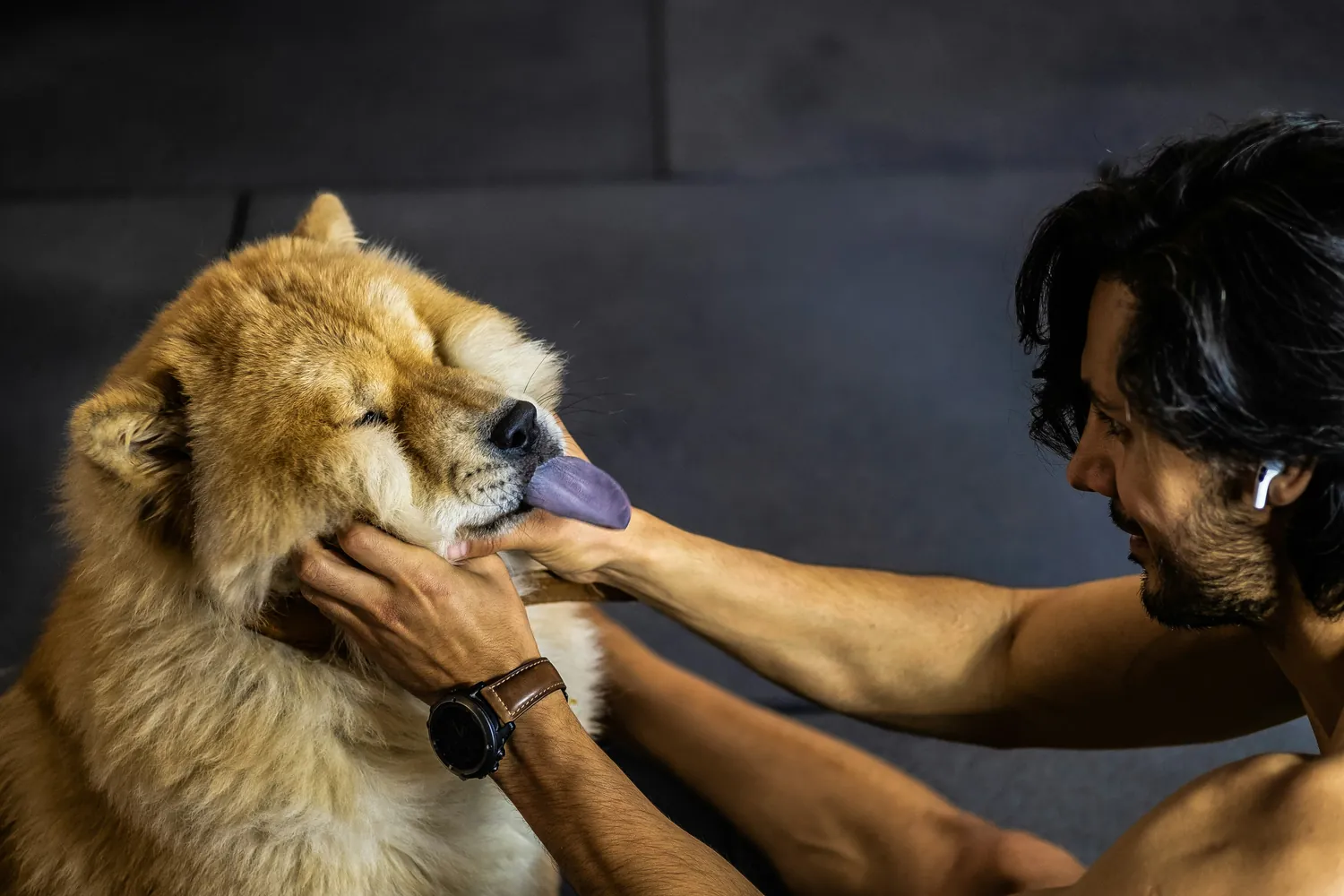
- Touch: Feel the texture of your dog's skin and fur. Healthy skin should feel smooth and not overly greasy or dry.
- Behavioral Cues: Observe if your dog is scratching excessively or seems uncomfortable in certain spots.
If you notice severe issues such as open sores or significant redness, consult your veterinarian before proceeding with grooming changes.
Step 2: Choose Suitable Tools and Products
Selecting the right grooming tools and products is crucial to managing dry skin effectively. Here's what you should consider:
Moisturizing Shampoos and Conditioners
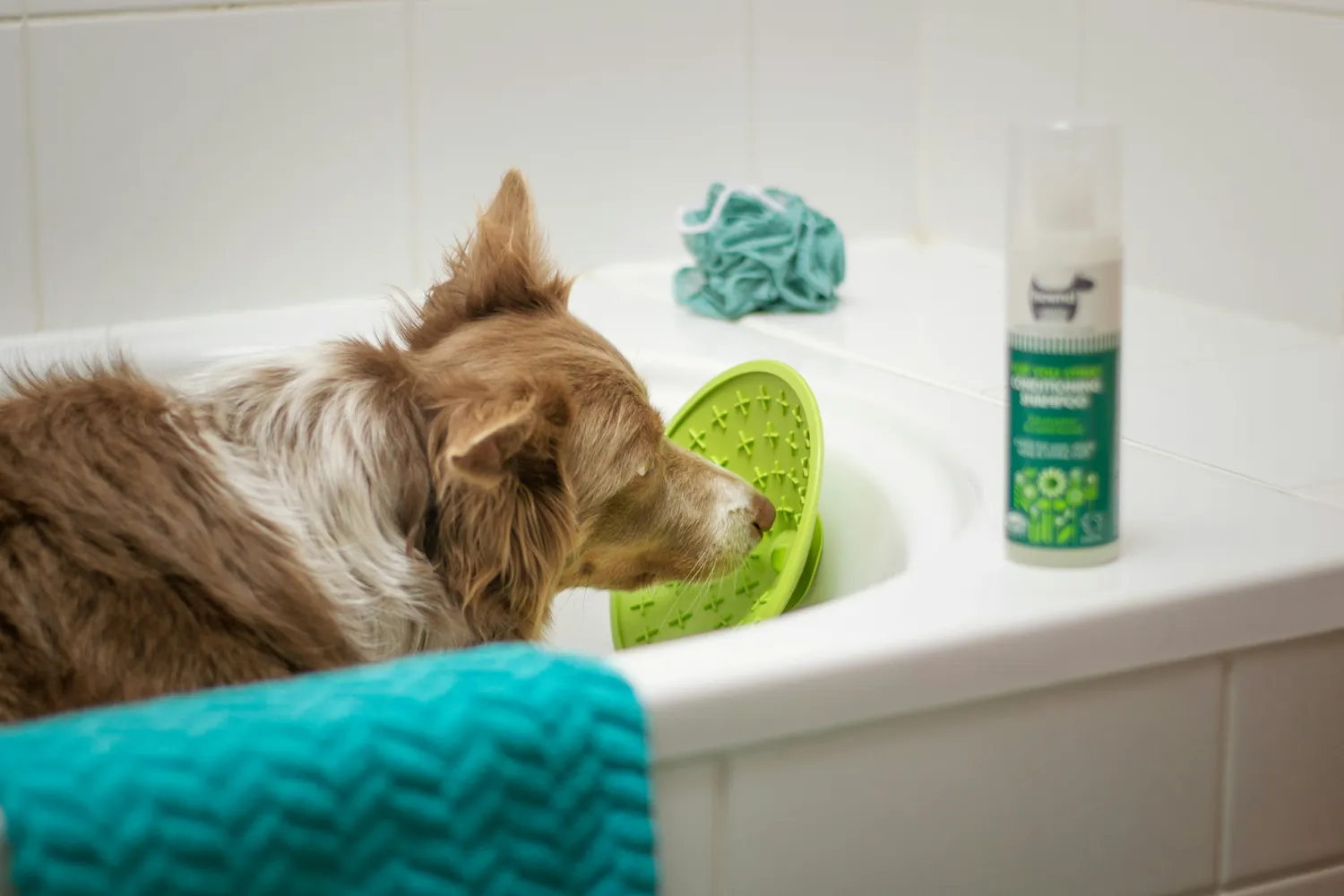
Opt for shampoos that contain natural moisturizing ingredients like oatmeal, aloe vera, or coconut oil. These ingredients help soothe irritated skin and retain moisture. Avoid shampoos with harsh chemicals and artificial fragrances that can further irritate sensitive skin.
Brushing Techniques
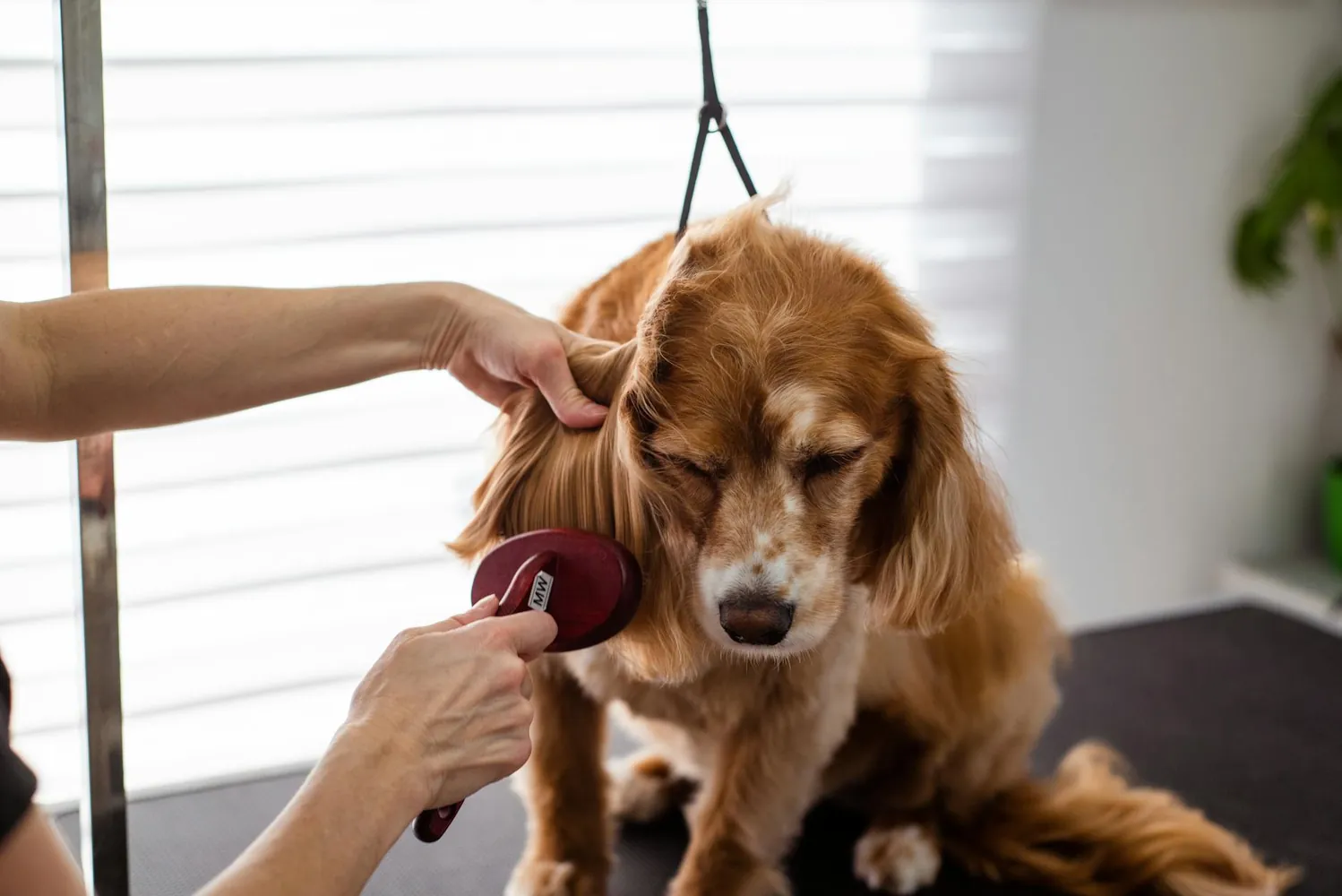
Regular brushing helps distribute natural oils across your dog's coat, promoting healthy skin. Use a soft-bristle brush for gentle stimulation and to avoid irritating the skin. Brush in the direction of hair growth to minimize pulling or discomfort.
Specialty Brushes
Invest in brushes designed specifically for dogs with dry skin, such as the slicker brush for removing tangles without excessive force or pin brushes for longer coats.
Step 3: Establish a Consistent Grooming Routine
A consistent grooming schedule not only improves your dog's appearance but also enhances their overall well-being. Follow this mini-framework to establish an effective routine:
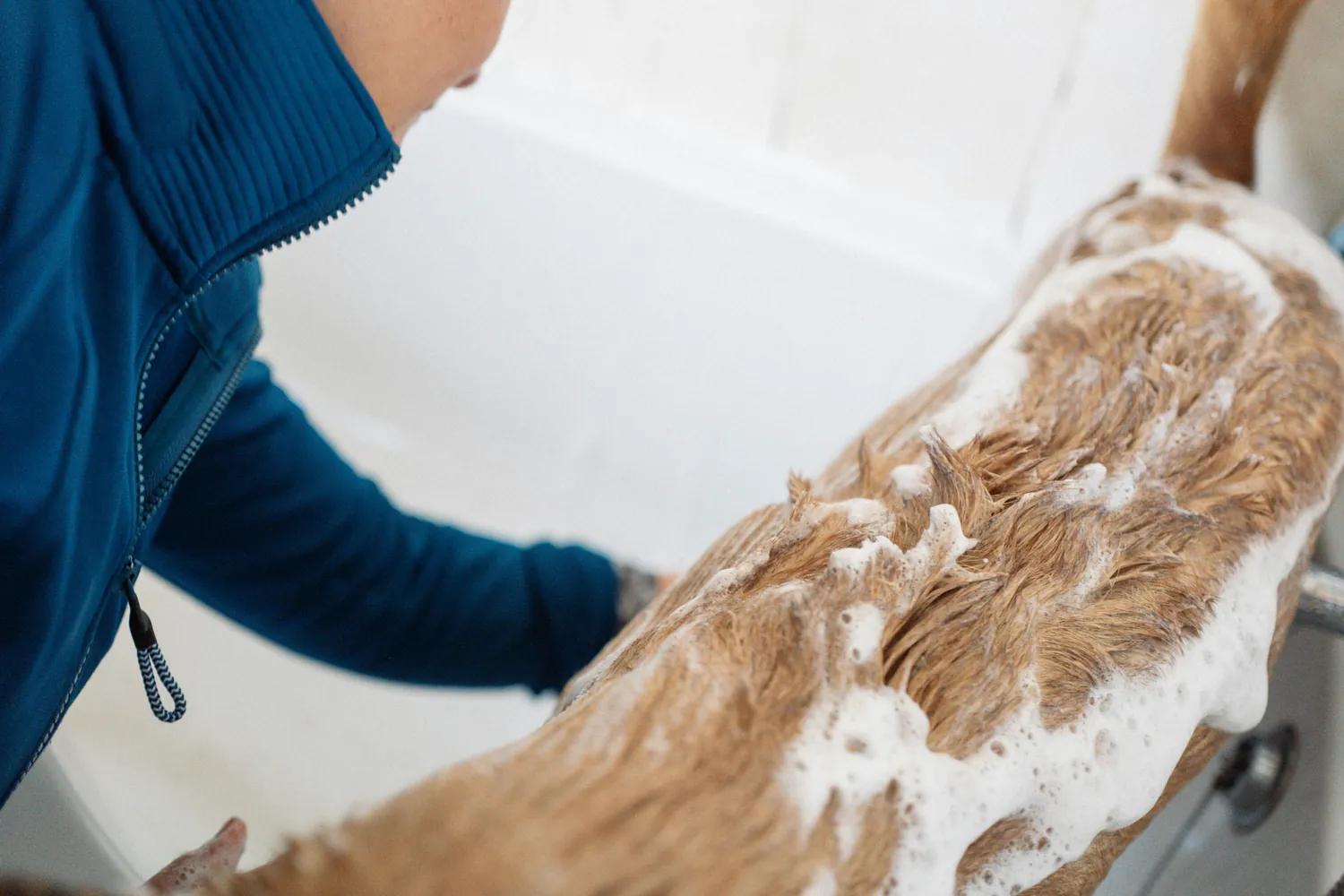
- Frequency: Depending on the severity of the dry skin, aim to bathe your dog every 4-6 weeks with a moisturizing shampoo. Over-bathing can strip natural oils, worsening the dryness.
- Brushing Schedule: Brush your dog at least three times a week to help spread natural oils. Adjust frequency based on your dog's coat type and how quickly they develop knots or tangles.
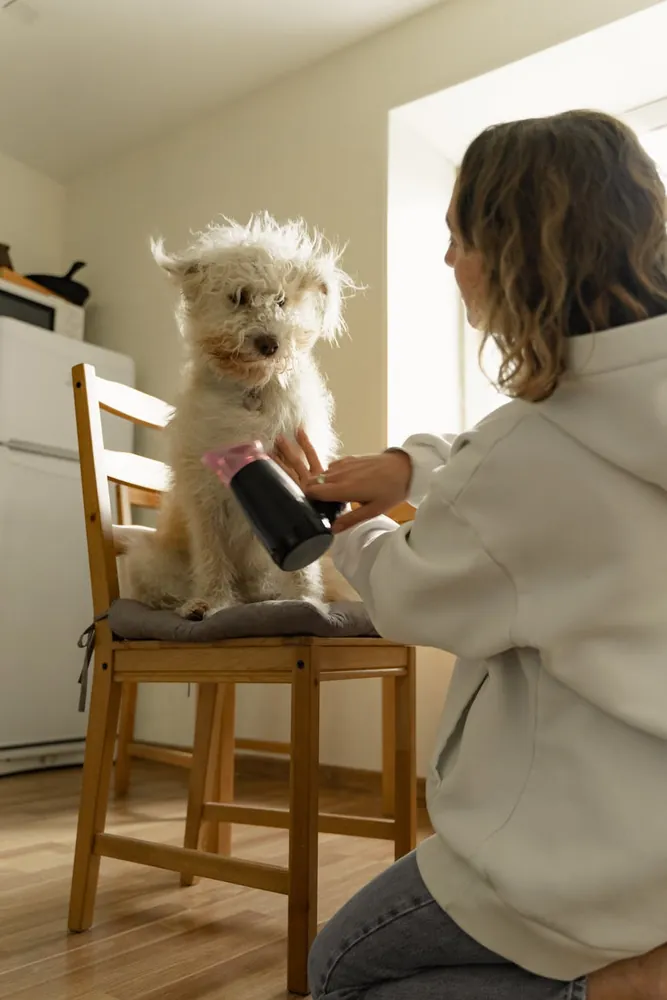
- Post-Bath Care: After bathing, ensure thorough rinsing to remove all shampoo residues that could cause irritation. Follow up with a leave-in conditioner if necessary to lock in moisture.
Additional Tips for Managing Dry Skin
Beyond regular grooming, there are several other steps you can take to alleviate your dog's dry skin:
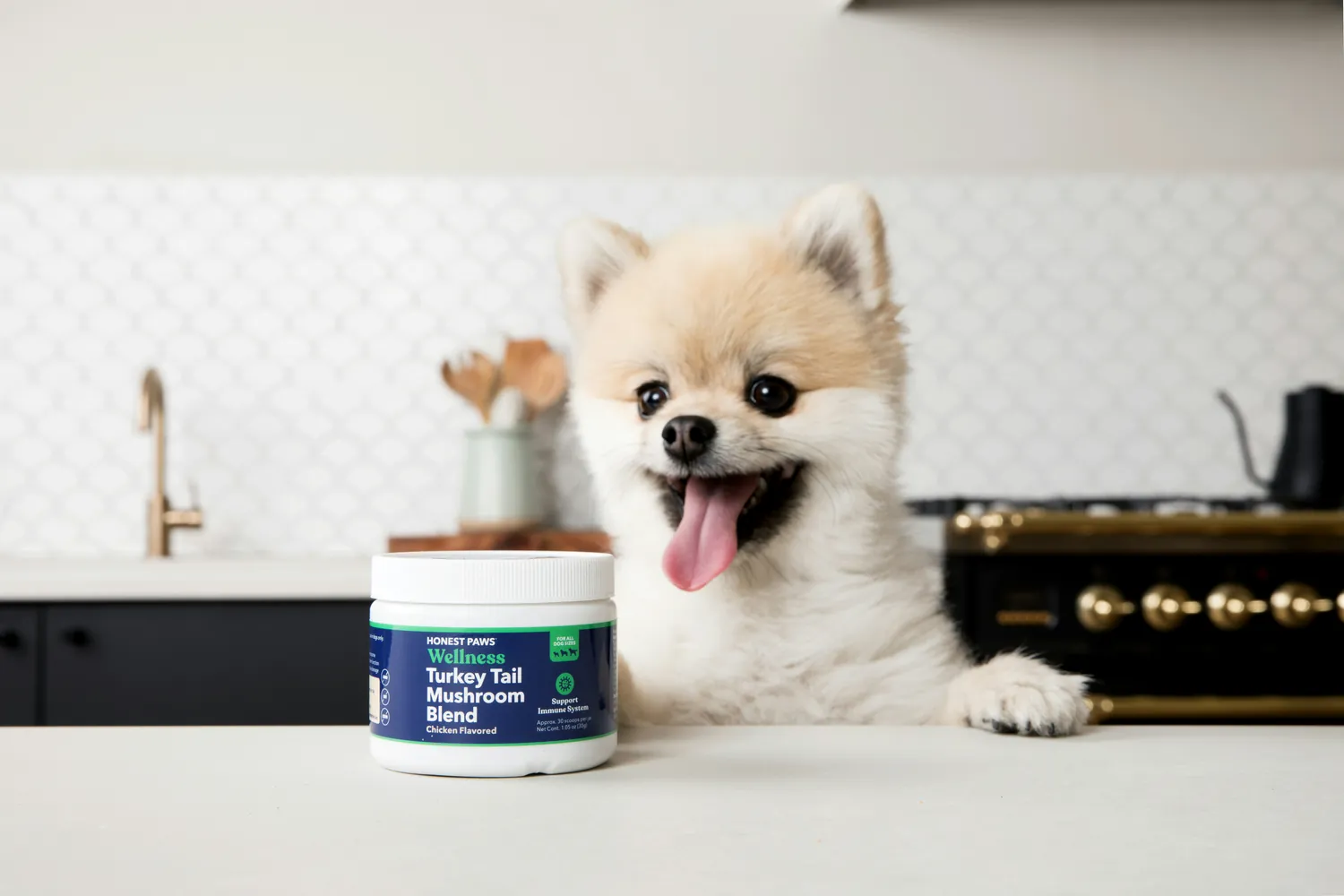
- Nutritional Supplements: Consider adding omega-3 fatty acids to your dog's diet. These supplements are known for their skin-boosting properties and can help reduce inflammation.
- Hydration: Ensure your dog has access to fresh water at all times, as proper hydration is critical for maintaining healthy skin.
- Environment: Use a humidifier in your home during dry months to increase air moisture levels, which can prevent dry skin from worsening.
The Importance of Monitoring Progress
As you implement these grooming practices, monitor your dog's response carefully. Note any improvements in skin condition or reduction in scratching behavior. Consistency is key, but so is flexibility—be ready to adjust techniques or products if you don't see positive changes within a few weeks.
Regular check-ins with your veterinarian can also provide valuable insights and additional recommendations tailored to your pet's specific needs. Addressing dry skin proactively through informed grooming routines ensures your furry friend remains comfortable and happy.