Understanding Canine Dry Skin
Dry skin in dogs is a common issue that can lead to discomfort, itching, and secondary infections if not properly managed. It can be caused by a variety of factors including allergies, environmental conditions, dietary deficiencies, or underlying health problems. Addressing dry skin requires a multi-faceted approach, and proper grooming practices play a vital role.
Three-Step Routine for Managing Dry Skin
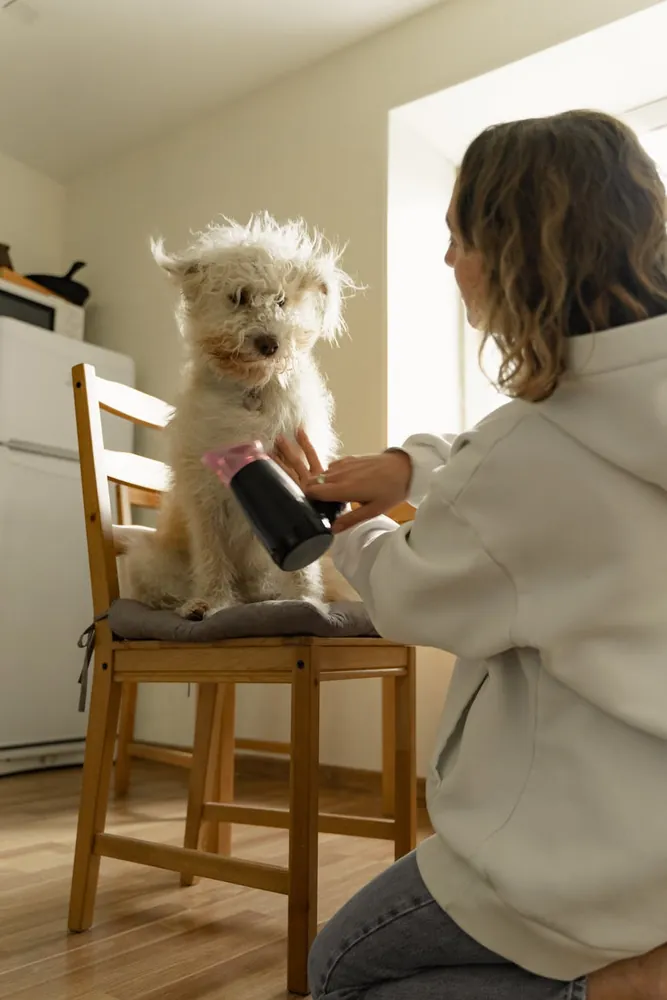
1. Regular Brushing
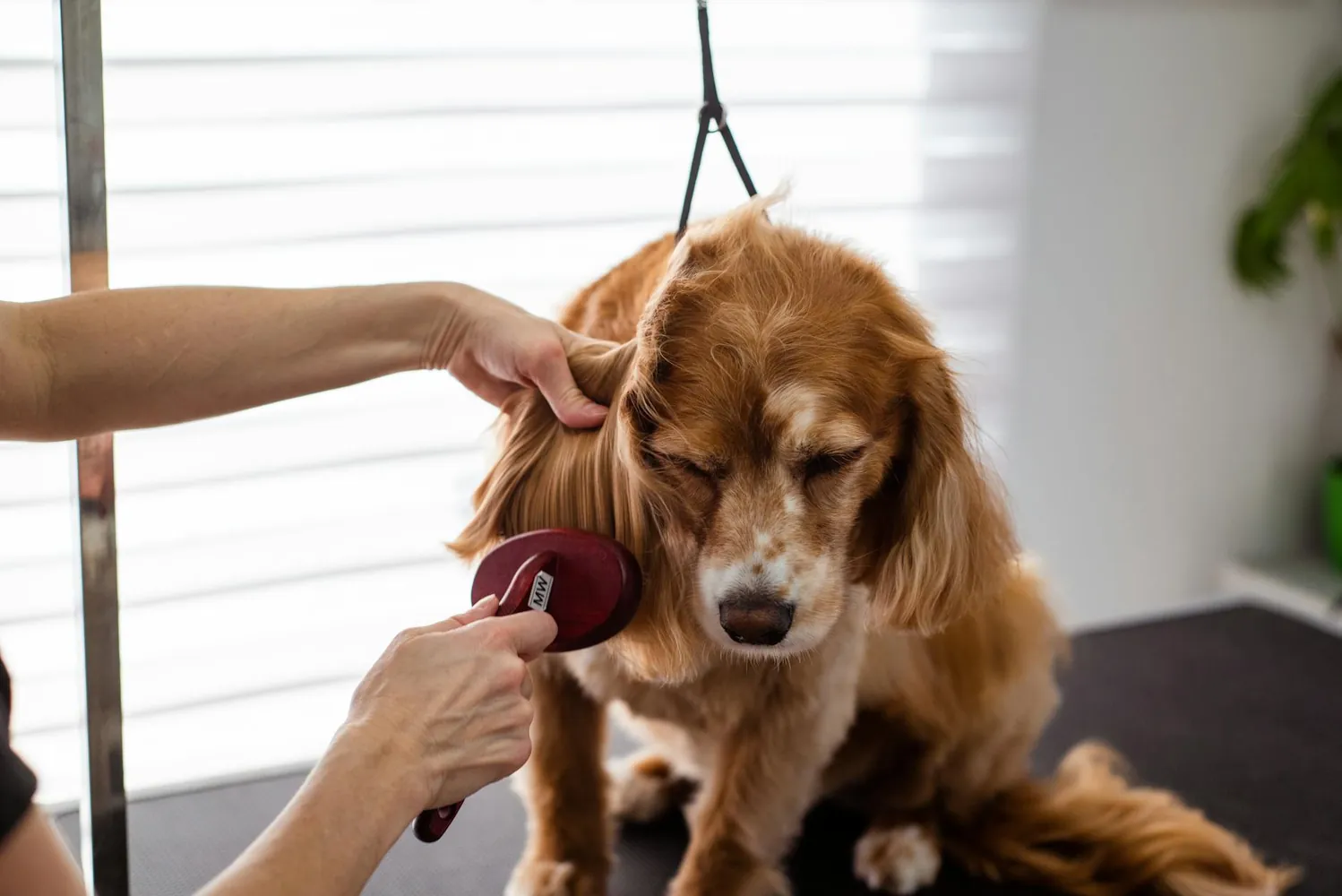
Brushing your dog regularly is the foundation of any good grooming routine. It helps distribute natural oils throughout the coat, reduces shedding, and removes dirt and debris that can irritate the skin.
- Frequency: For most dogs, brushing two to three times a week is ideal. However, breeds with longer hair may benefit from daily brushing.
- Tools: Choose the right brush for your dog's coat type. A slicker brush works well for long-haired breeds, while a bristle brush can be effective for short-haired breeds.
- Technique: Start from the head and move towards the tail. Be gentle to avoid irritating the skin. Pay extra attention to areas prone to matting such as behind the ears and under the legs.
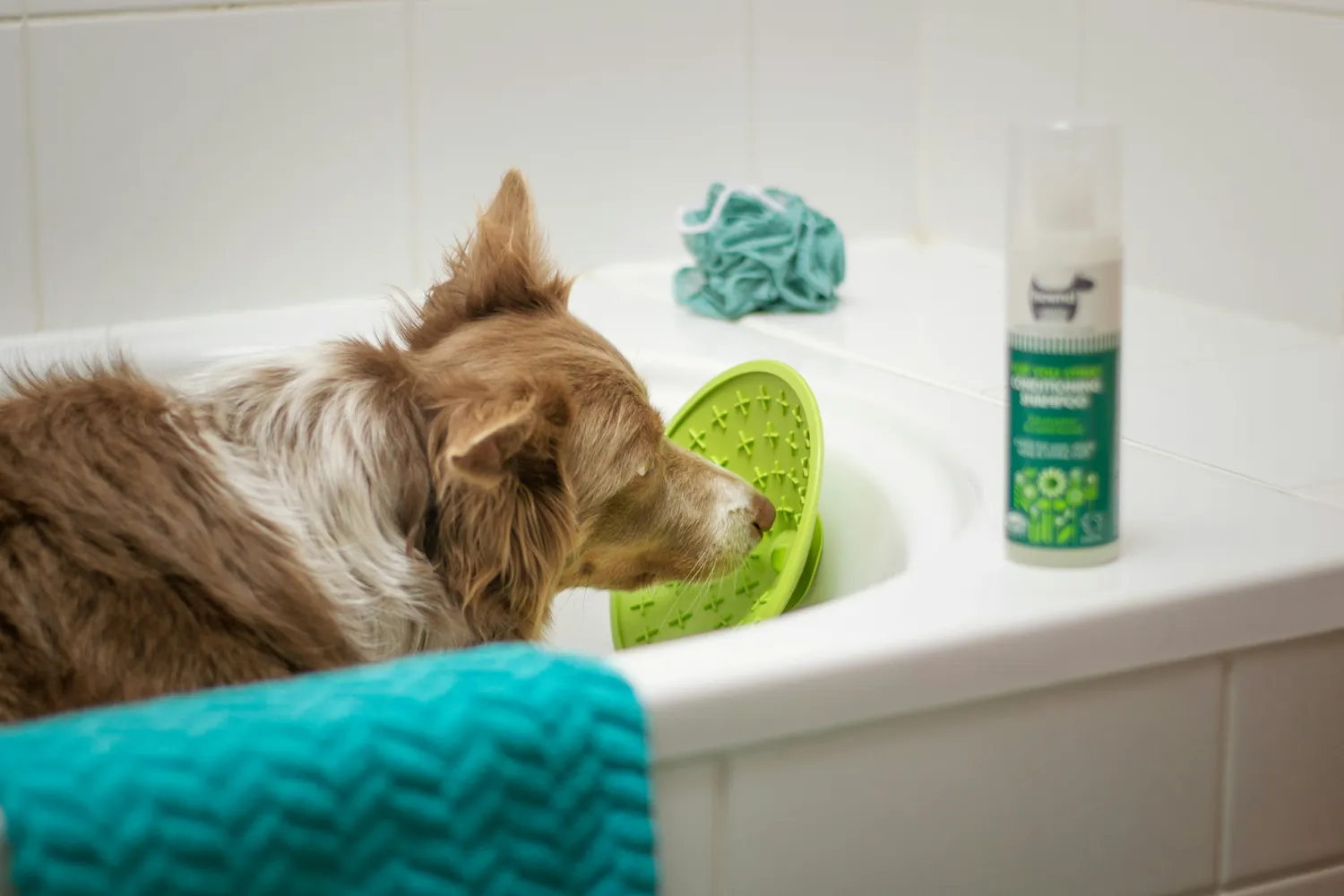
2. Selecting the Right Shampoo
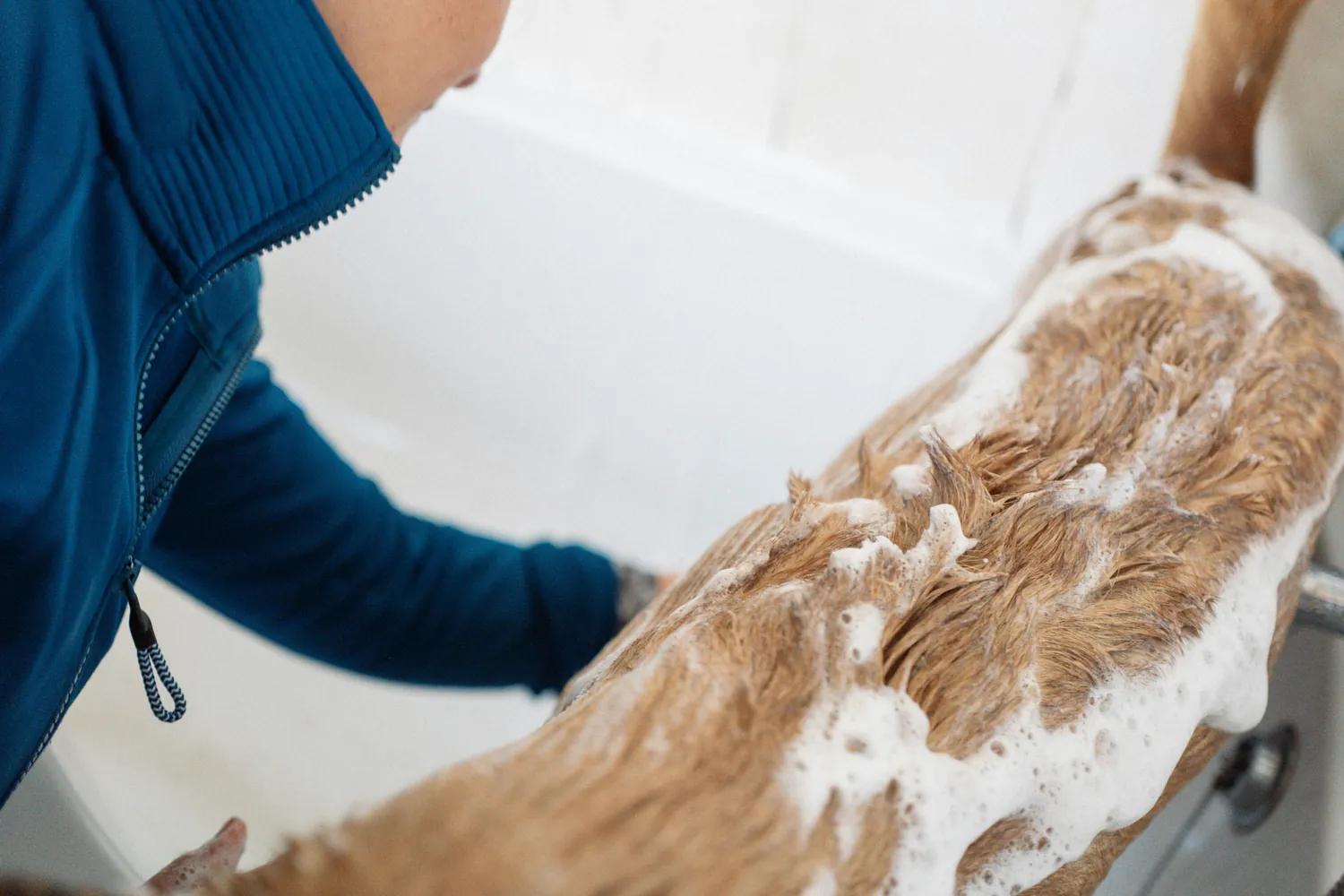
Choosing a hydrating shampoo is crucial for dogs with dry skin. Hydrating shampoos are formulated to cleanse without stripping away essential oils.
- Ingredients to Look For: Opt for shampoos containing natural moisturizing agents like oatmeal, aloe vera, and vitamin E.
- Avoid Harmful Ingredients: Stay away from shampoos with artificial fragrances or sulfates that can further dry out the skin.
- Bathing Frequency: Over-bathing can exacerbate dry skin. Most dogs only need a bath every four to six weeks. However, adjust based on your dog's lifestyle and coat condition.
3. Applying Conditioner Post-Bath
After bathing, applying a conditioner can lock in moisture and provide an extra layer of protection against dryness.
- Choosing a Conditioner: Look for products specifically designed for dogs with sensitive or dry skin.
- Application Technique: Apply the conditioner evenly through the coat, avoiding contact with eyes and ears. Rinse thoroughly to ensure no residue is left behind.
Incorporating Dietary Support
Nutritional health is directly linked to skin health. Ensuring your dog has a balanced diet rich in omega-3 and omega-6 fatty acids can promote healthy skin and coat.
- Foods Rich in Fatty Acids: Include fish oil supplements or feed a diet that contains salmon or other fish high in these nutrients.
- Consult Your Veterinarian: Always discuss dietary changes with your veterinarian, especially if your dog has specific health conditions or dietary needs.
The Role of Environmental Factors
The environment can greatly impact your dog's skin health. Understanding and modifying your dog's surroundings can alleviate dryness.
- Humidifiers: Using a humidifier during dry seasons can add moisture to the air, helping prevent skin from drying out.
- Avoiding Harsh Climates: Limit exposure to extreme weather conditions. Use protective gear like dog coats in winter and provide plenty of water in hot weather to keep your dog hydrated.
Conclusion
Managing dry skin in dogs requires consistent effort and attention to detail in grooming practices. By implementing a regular grooming routine that includes brushing, using hydrating shampoos, and applying conditioners, alongside considering dietary and environmental factors, you can significantly reduce the discomfort associated with dry skin. Always consult with a veterinarian for advice tailored specifically to your pet's needs.