Understanding the Basics of Shedding
Shedding is a natural process for dogs and varies significantly between breeds. Some breeds shed year-round, while others have specific shedding seasons. Understanding your dog's breed and its shedding pattern can help you manage this aspect of their grooming more effectively.
Factors Influencing Shedding:
- Breed Type: Dogs like Huskies and German Shepherds are notorious for shedding heavily due to their thick double coats.
- Seasonal Changes: Many dogs shed more in the spring and fall as they transition between summer and winter coats.
- Health Status: Conditions such as allergies, parasites, or hormonal imbalances can increase shedding.
Step 1: Regular Brushing
Choosing the Right Brush
The first step in managing your dog's coat is selecting the appropriate brush. The type of brush will depend on your dog's coat type. Here's a quick guide:
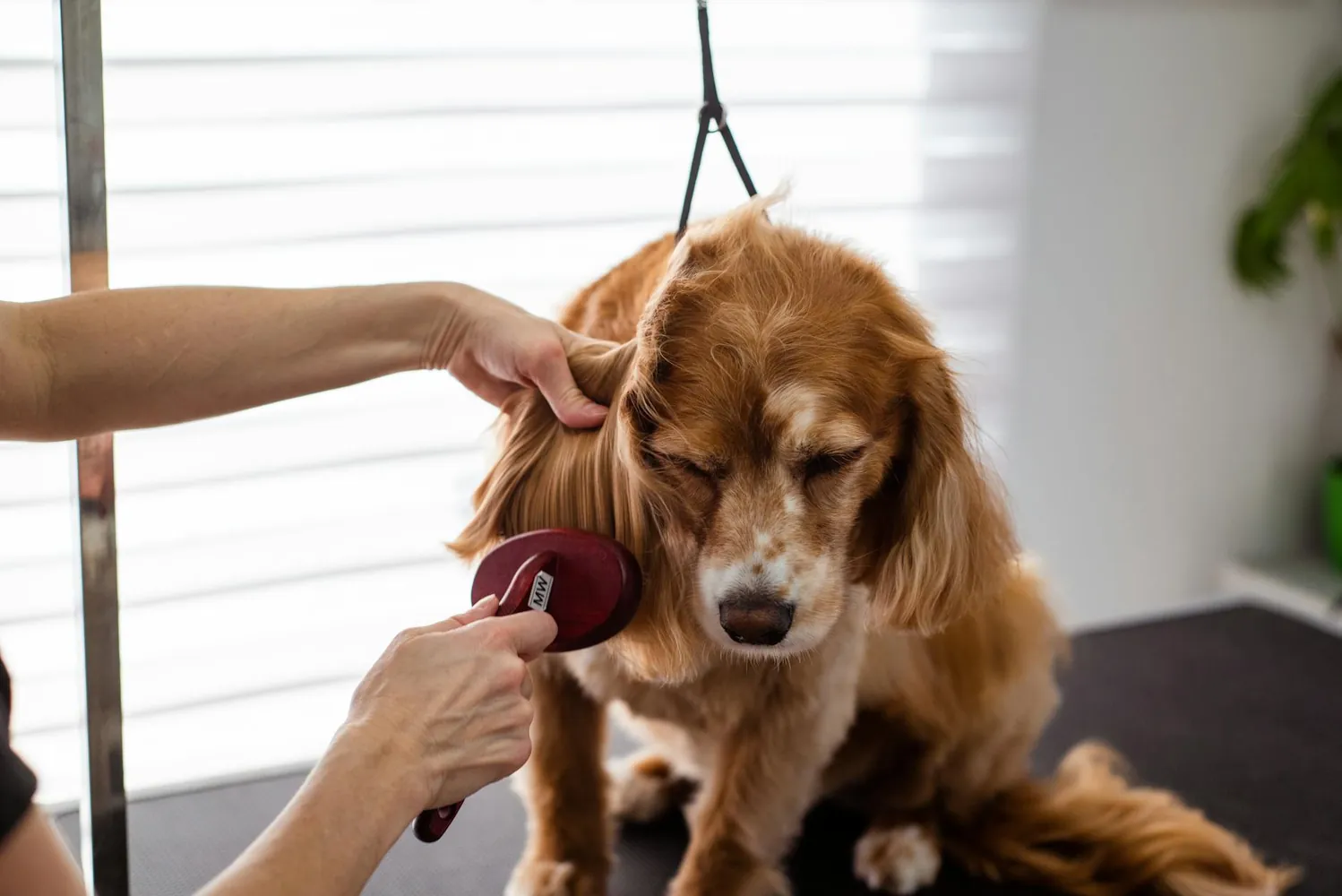
- Slicker Brushes: Ideal for medium to long-haired breeds to remove tangles and mats.
- Bristle Brushes: Best for short-haired breeds to remove loose hair and stimulate natural oils.
- Undercoat Rakes: Useful for dogs with thick undercoats to reach deeper layers of fur.
Establishing a Brushing Routine
Consistency is key in reducing shedding. Set aside time for regular brushing sessions, ideally two to three times a week, increasing during peak shedding seasons. Make sure your dog is comfortable and relaxed before starting.
Tip: Combine brushing with treats or playtime to create a positive association.
Step 2: Choosing the Right Shampoo
Selecting a Quality Dog Shampoo
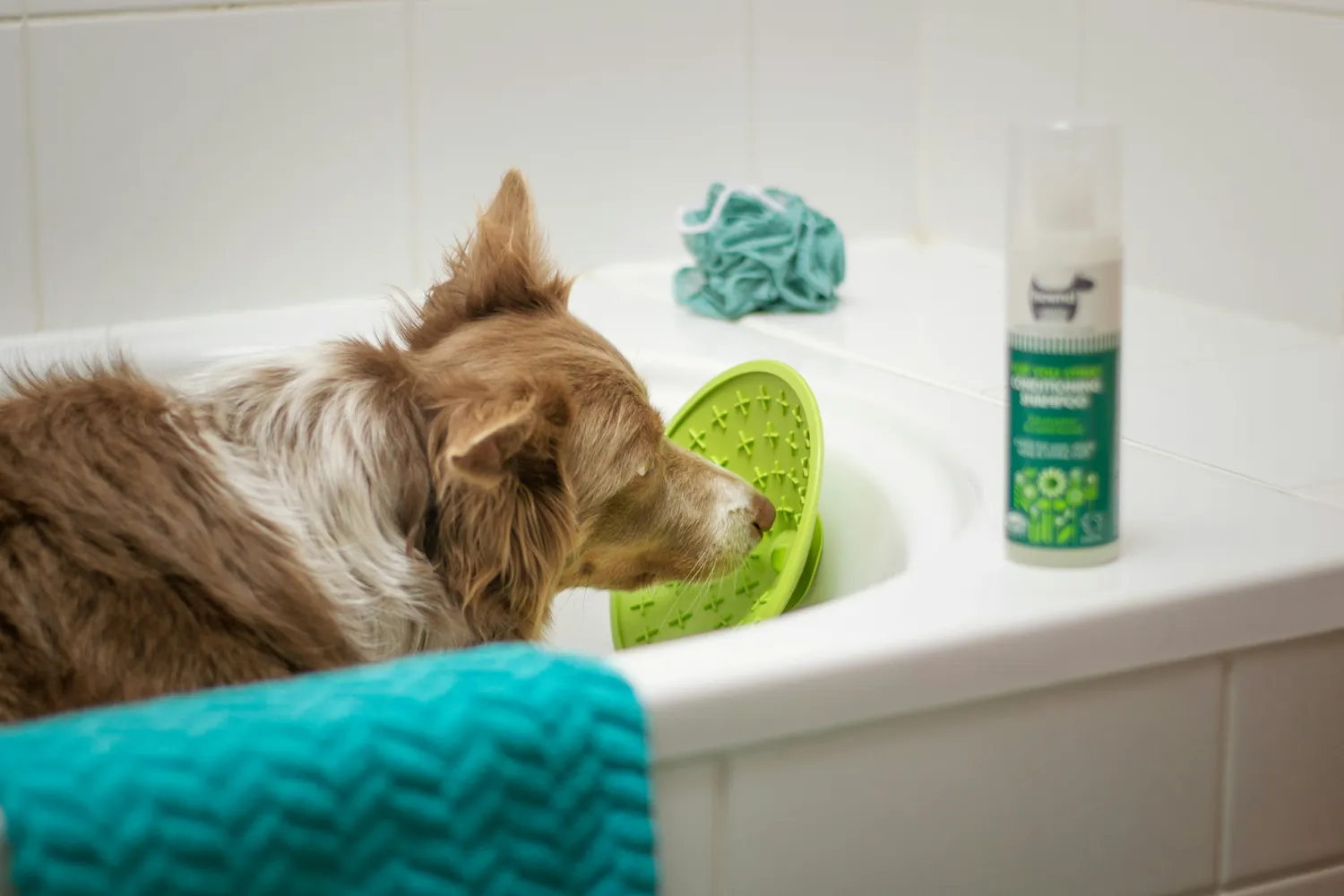
Regular baths help control shedding by removing loose fur and reducing allergens that could irritate your dog's skin. Look for shampoos that are specifically formulated for your dog’s coat and skin type. Opt for those free from harsh chemicals and parabens, focusing on natural ingredients such as oatmeal or aloe vera for soothing benefits.
Bathing Techniques
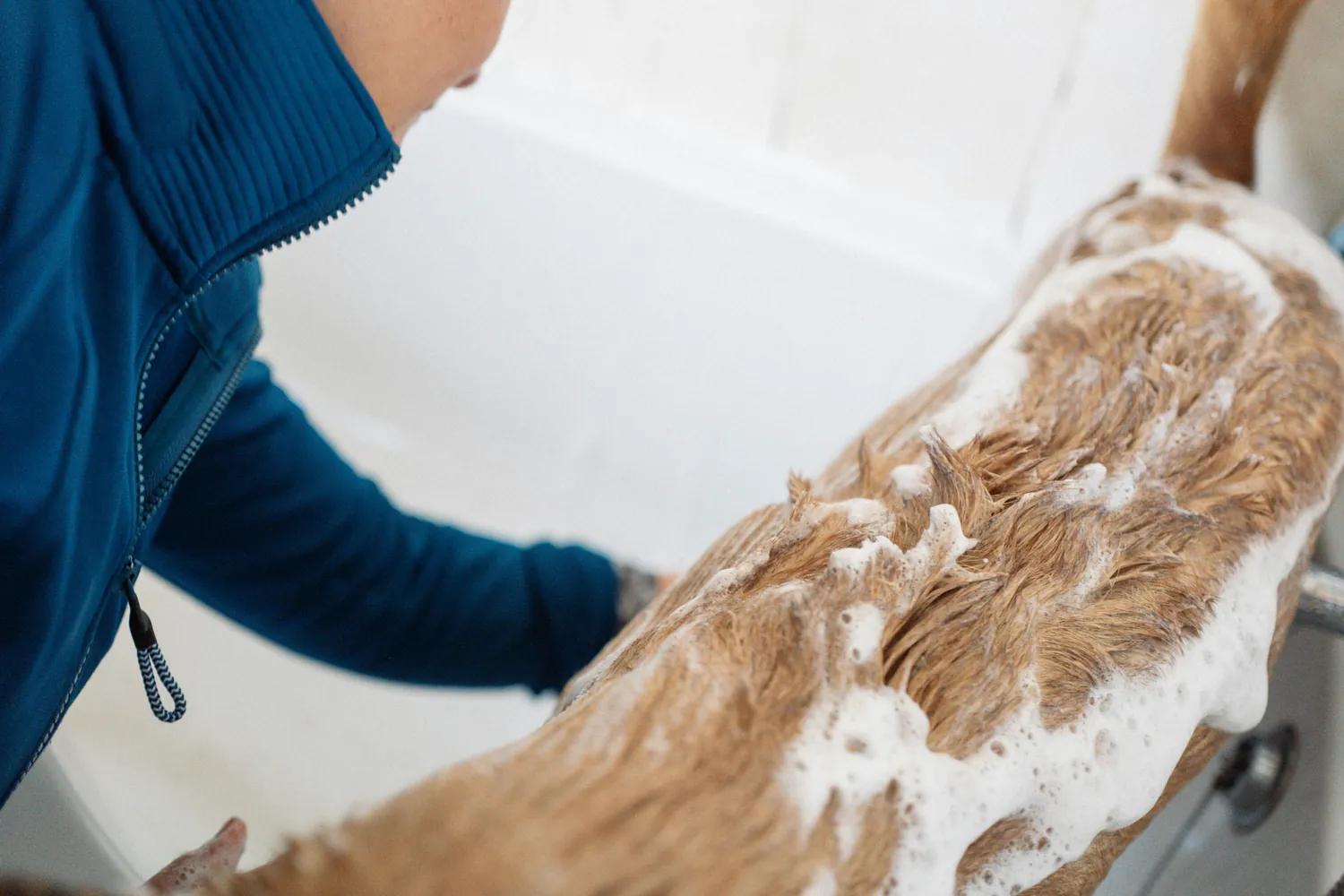
Proper bathing technique involves thoroughly wetting your dog's coat, applying shampoo, and massaging it into the skin without irritating it. Rinse thoroughly to ensure no residue remains, as leftover shampoo can cause skin irritation.
Frequency: Bathing once a month is generally sufficient for most dogs, but some may require more frequent baths based on their lifestyle and coat condition.
Step 3: Maintain a Balanced Diet
The Role of Nutrition in Coat Health
A balanced diet is crucial for maintaining optimal coat health and minimizing shedding. Ensure your dog's diet is rich in essential fatty acids, such as omega-3 and omega-6, which promote healthy skin and coat.
- Foods Rich in Omega Fatty Acids: Fish oil supplements or high-quality fish-based kibble can provide these essential nutrients.
- Proteins: Ensure sufficient protein intake from lean meats to support healthy hair growth.
Identifying Nutritional Gaps
If you notice excessive shedding despite grooming efforts, consult your veterinarian to rule out nutritional deficiencies. They may recommend specific dietary adjustments or supplements.
Troubleshooting Common Shedding Issues
Addressing Underlying Health Problems
If increased shedding persists, it could be symptomatic of an underlying health issue such as allergies, skin infections, or hormonal imbalances. A thorough veterinary examination can help identify and treat these conditions appropriately.
Caring for Senior Dogs
Aging dogs might experience changes in their coat health. Adjust grooming routines to accommodate their needs by using gentler brushes and considering joint supplements if stiffness affects their ability to tolerate brushing sessions.
Conclusion: A Holistic Approach to Shedding Management
Managing your dog’s shedding involves a holistic approach that combines regular grooming, appropriate bathing routines, and a balanced diet. By understanding your dog's specific needs and adopting these practical strategies, you can significantly reduce the amount of hair around your home while enhancing your pet's overall well-being. Remember, patience and consistency are key components in this ongoing process.