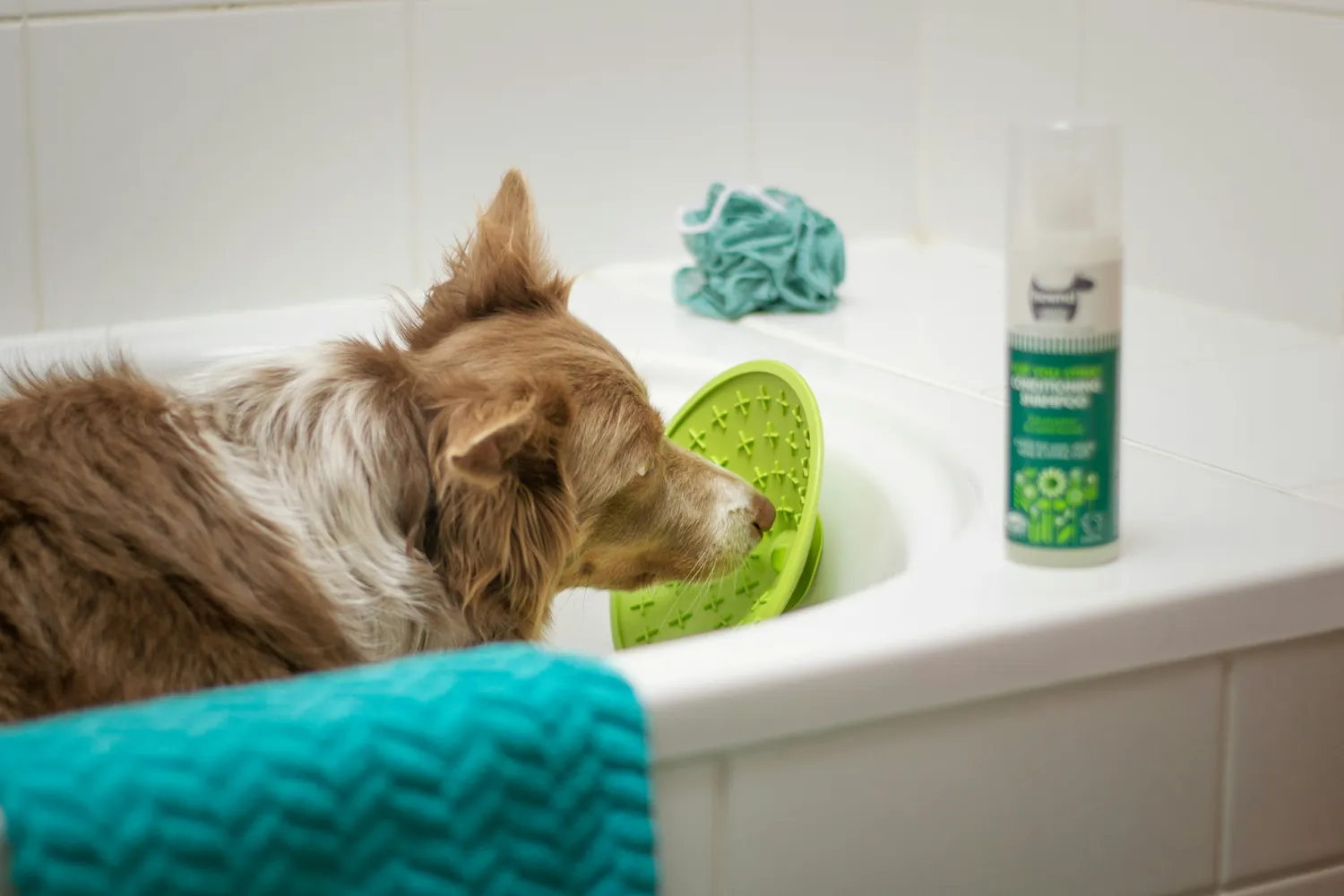

Understanding the Importance of Proper Dog Skin Care
Caring for your dog's skin is more than just an aesthetic concern—it's a crucial part of their overall health. A dog's skin acts as a barrier against infections, parasites, and other environmental threats. This makes choosing the right shampoo for your canine companion an essential task for every pet owner. But with options ranging from commercial store brands to homemade solutions, making the right choice can be overwhelming.
Ingredients in DIY Shampoos and Their Benefits
Homemade dog shampoos have become increasingly popular, thanks in part to the growing awareness of chemical sensitivities and the desire for natural living. Common ingredients include oatmeal, coconut oil, apple cider vinegar, and essential oils. Let's look at these components in more detail:
- Oatmeal: Known for its soothing properties, oatmeal can alleviate itching and hydrate dry skin. It's perfect for dogs with allergies or sensitive skin.
- Coconut Oil: This oil is celebrated for its moisturizing properties and can help improve the skin's protective barrier.
- Apple Cider Vinegar: Often used for its antibacterial properties, apple cider vinegar can help balance the pH of the skin, keeping yeast and bacterial infections at bay.
- Essential Oils: Oils like lavender or chamomile not only impart a pleasant aroma but also offer calming and anti-inflammatory benefits.
When to Use DIY Shampoos
If your dog has particularly sensitive skin or if you're looking to avoid harsh chemicals, DIY shampoos can be an excellent option. They're customizable and allow you to tailor the recipe to suit your dog's specific needs.
The Case for Commercial Dog Shampoos
Store-bought shampoos have been formulated with specific purposes in mind, often combining years of research to develop products that cater to various skin conditions.
Key Ingredients in Store Brands
Many commercial shampoos are designed to address issues such as flea infestations, dandruff, or excessive shedding. Typical ingredients include:
- Aloe Vera: Known for its healing properties, aloe vera helps soothe irritated skin.
- Pyrithione Zinc: Often used to combat dandruff and flakiness.
- Benzoyl Peroxide: Helps with severe bacterial infections or deep cleansing needs.
- Medicated Additives: Some shampoos contain medications to treat specific conditions such as dermatitis or fungal infections.
The Advantages of Store Brands
While some pet owners prefer natural solutions, commercial shampoos can offer targeted relief for certain conditions. They are regulated and tested for safety and efficacy, which might provide peace of mind for those concerned about achieving specific outcomes.
Comparing Effectiveness: DIY vs. Commercial Options
Both DIY and commercial shampoos have their place in a comprehensive dog grooming regimen. To make the best choice, consider the following scenarios:
Scenario 1: A Dog with Allergies
If your dog suffers from skin allergies, a homemade oatmeal shampoo may help soothe their skin without adding potential allergens found in synthetic fragrances or preservatives commonly used in commercial options.
Scenario 2: Flea Infestation
A medicated store-bought shampoo specifically formulated to kill fleas could be more effective than a DIY remedy due to its targeted ingredients.
Scenario 3: Routine Maintenance
For regular cleaning without any specific conditions, a gentle homemade shampoo or an all-natural store brand might be sufficient.
How to Choose the Right Shampoo for Your Dog
Selecting the right shampoo involves understanding your dog's unique needs and preferences. Consider the following checklist before making a decision:
- Identify any skin conditions (e.g., allergies, infections).
- Consider sensitivity to fragrances or chemicals.
- Decide between natural ingredients vs. targeted treatments.
- Test patch on a small area first to ensure no adverse reactions.
If uncertain about what shampoo would be best, consulting with your veterinarian can provide personalized advice tailored to your dog's health history and current condition.
Creating a Balanced Grooming Routine
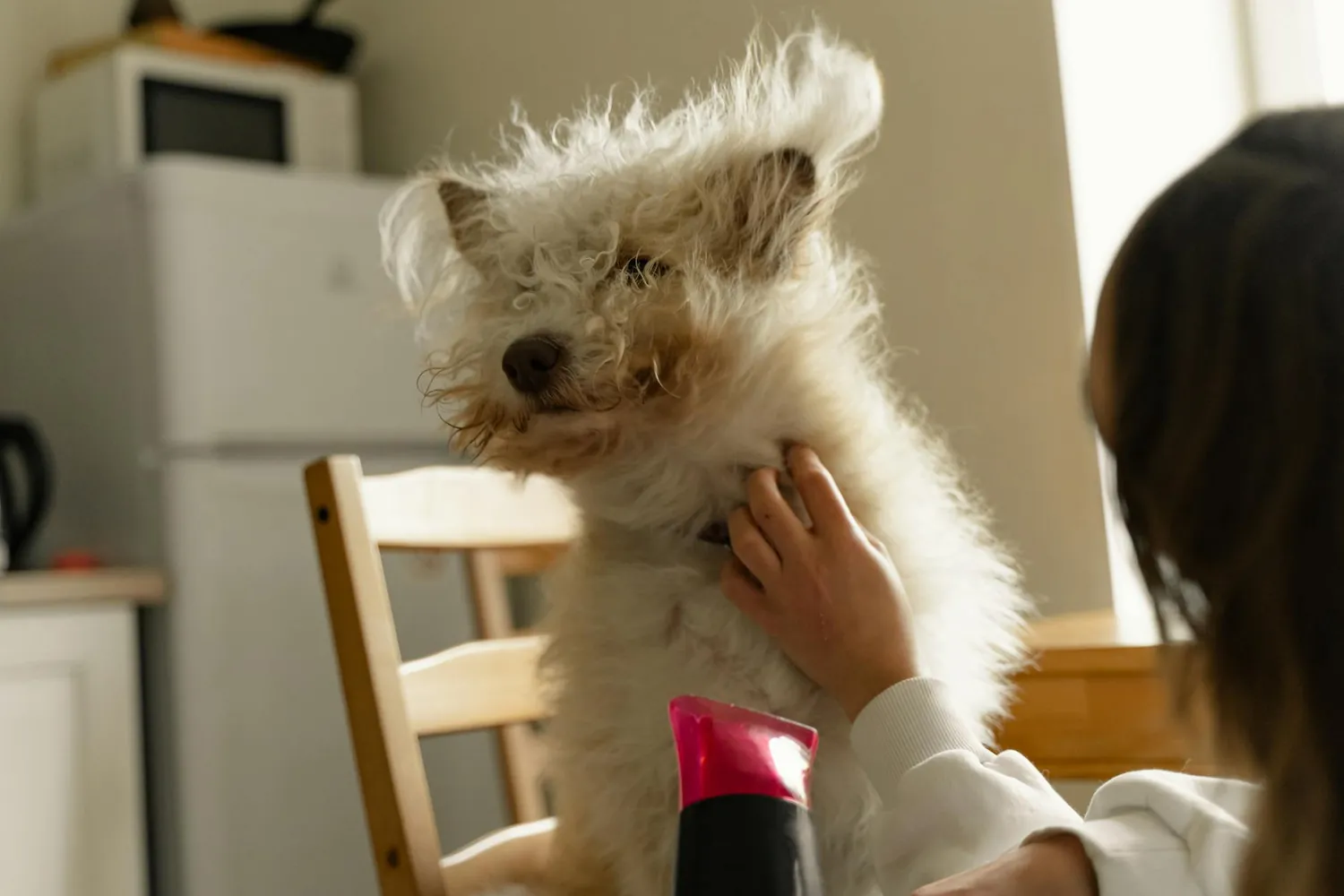
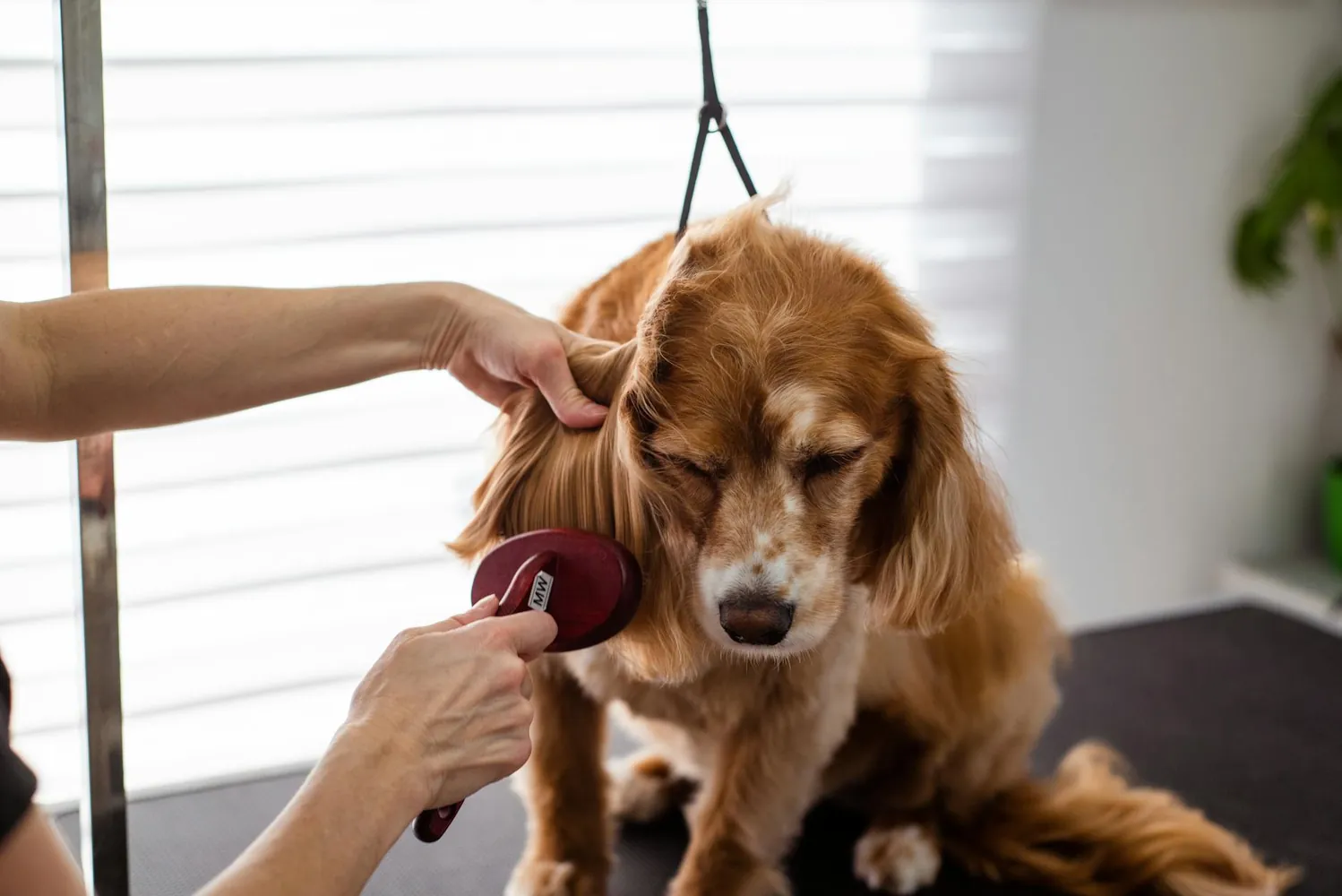
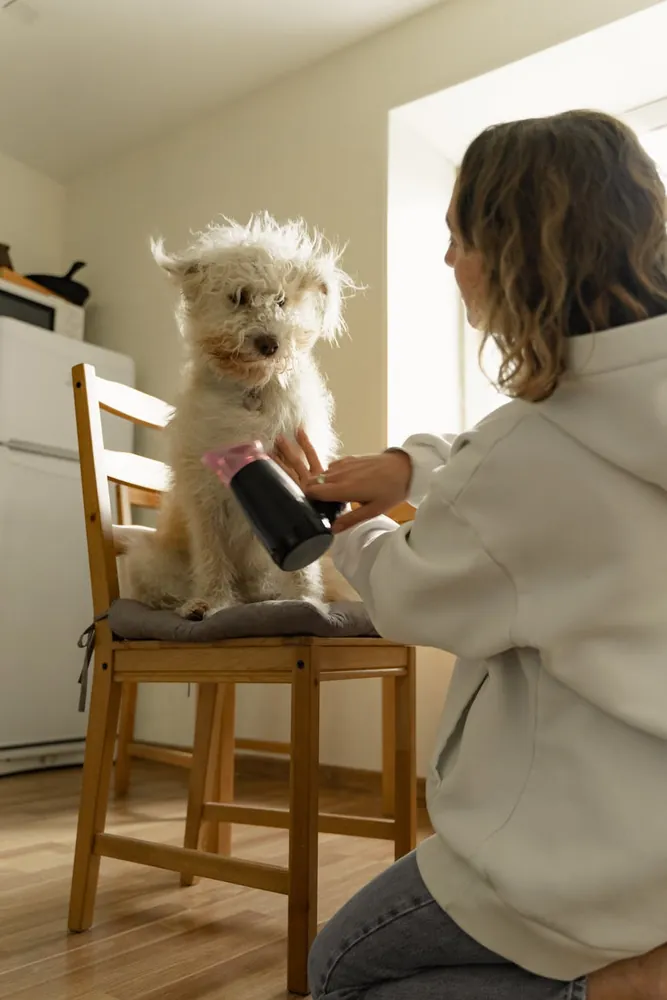
A consistent grooming routine goes beyond just shampoo selection. Include regular brushing to remove loose fur and debris, and schedule routine vet visits to monitor skin health. Additionally, a balanced diet rich in omega-3 fatty acids can support healthy skin from the inside out.
Checklist for Effective Grooming
- Brush your dog regularly based on their coat type.
- Bathe your dog every 4–6 weeks or as advised by a vet.
- Use conditioners if needed for added moisture.
- Check ears and paws during grooming sessions for signs of infection or irritation.
Conclusion: Balancing Preferences and Needs
The debate between DIY and store-bought dog shampoos is less about choosing one over the other and more about understanding what works best for your pet. By considering your dog's specific needs, you can make informed decisions that will contribute to their overall well-being and happiness.