Understanding the Importance of Gradual Transition
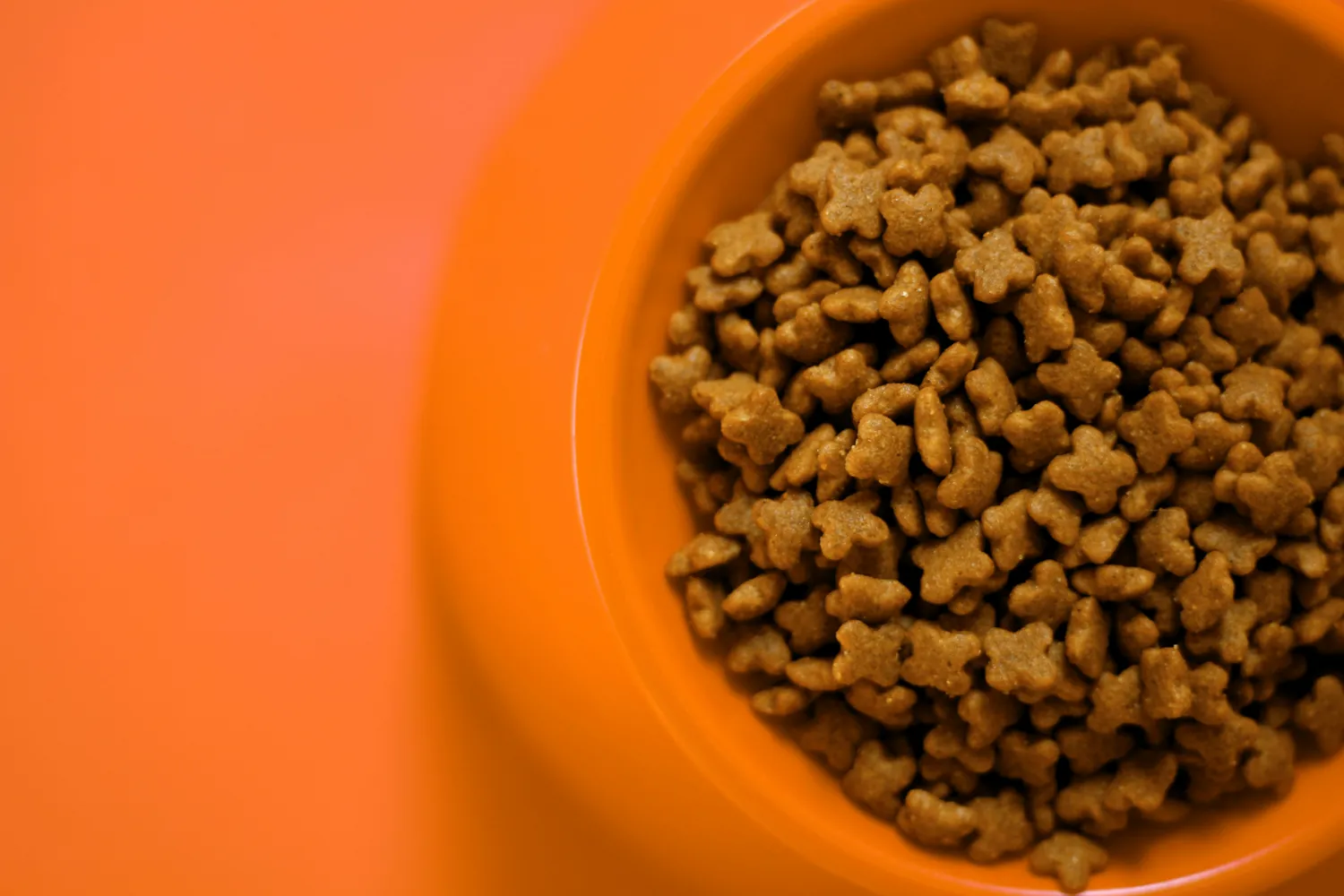
Switching your dog's diet is more than just swapping out their bowl of kibble for something new. A sudden change can lead to digestive upset, causing issues such as diarrhea, vomiting, or decreased appetite. A gradual transition not only helps in avoiding these problems but also allows your dog’s digestive system to adjust to new types of food.
Steps to Transition Your Dog to a Homemade Diet
Transitioning your dog to a homemade diet is a process that requires patience and careful planning. Here’s a detailed guide:
Step 1: Research and Plan
- Consult Your Veterinarian: Before making any changes, discuss your plans with your veterinarian to ensure your dog’s nutritional needs will be met.
- Educate Yourself: Read about essential nutrients for dogs and familiarize yourself with balanced diet recipes.
Step 2: Start Gradually
Begin by replacing a small portion of your dog’s current food with homemade options. A typical plan might look like this:
- Days 1-3: Mix 75% old food with 25% homemade food.
- Days 4-6: Increase to 50% old food and 50% homemade food.
- Days 7-9: Move to 25% old food and 75% homemade food.
- Day 10 onward: You can fully switch to homemade food if your dog shows no signs of digestive distress.
Step 3: Monitor Their Health
As you transition, closely monitor your dog’s health. Look for signs such as:
- Stool Consistency: A healthy stool is firm and well-formed. Any significant changes could indicate digestive upset.
- Energy Levels: Ensure they maintain their usual activity levels. Unexplained lethargy might require a dietary adjustment.
- Skin and Coat Condition: A dull coat or flaky skin might suggest nutritional deficiencies.
If you notice any adverse effects, slow down the transition process or consult with your vet.
Choosing Ingredients for a Balanced Homemade Diet
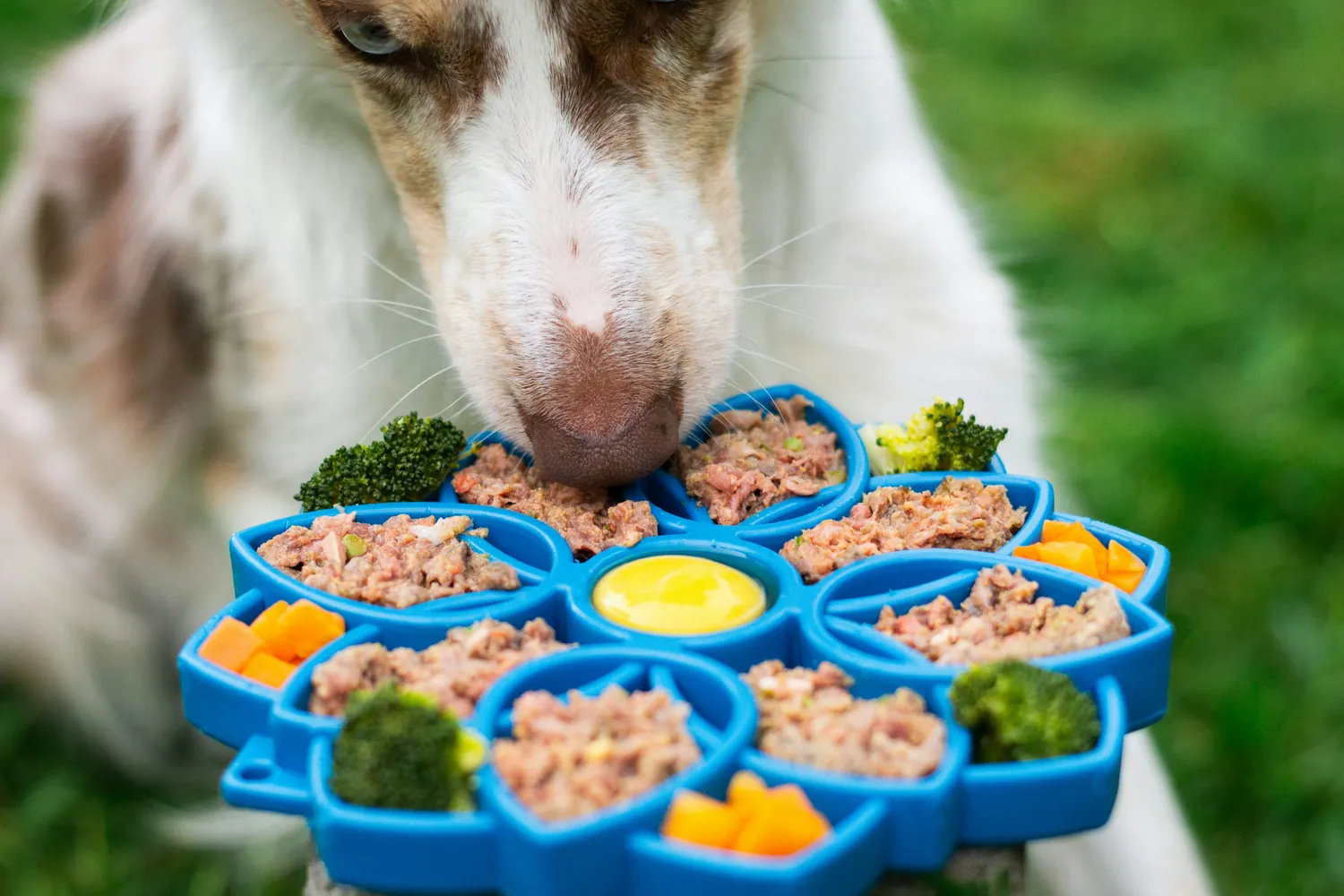
A homemade diet should incorporate all the nutrients that dogs typically receive from commercial pet foods. Here’s how to balance it:
Proteins
Opt for high-quality sources like chicken, beef, turkey, or fish. Aim for meat cuts with moderate fat content unless advised otherwise by your vet.
Carbohydrates
Include carbohydrates such as rice, oats, or potatoes, which provide energy. They should be cooked thoroughly to aid digestion.
Fruits and Vegetables
Add a variety of fruits and vegetables for fiber and essential vitamins. Safe options include carrots, peas, blueberries, and pumpkin.
Fats
Incorporate fats from safe sources like fish oil or olive oil, important for skin health and energy metabolism.
Supplements
Your dog might need additional supplements to cover any gaps in their diet. Common supplements include calcium, omega-3 fatty acids, and vitamin E.
Creating a Weekly Meal Plan
A structured meal plan helps in maintaining consistency and ensures nutritional adequacy. Here’s an example of how you can organize your dog’s meals over a week:
| Day | Meal Plan |
|---|---|
| Monday | Chicken, brown rice, green beans |
| Tuesday | Beef, sweet potato, carrots |
| Wednesday | Turkey, oats, broccoli |
| Thursday | Fish, quinoa, peas |
| Friday | Lamb, barley, spinach |
| Saturday | Pork, lentils, apples (no seeds) |
| Sunday | Duck, millet, zucchini |
Troubleshooting Common Issues During Transition
If you encounter problems during the transition, consider these solutions:
- If diarrhea or vomiting occurs, slow down the transition by returning to a higher percentage of old food temporarily.
- If your dog refuses the new food, try mixing it with a favorite treat or lightly cooking ingredients to enhance aroma.
The Benefits of Homemade Diets
A well-planned homemade diet can offer several benefits:
- Avoidance of fillers and artificial ingredients often found in commercial foods.
- The ability to tailor meals to address specific health issues or preferences.
A Final Note on Regular Health Monitoring
The success of a homemade diet largely depends on regular health monitoring. Frequent veterinary check-ups are crucial for assessing whether the diet meets all nutritional requirements.