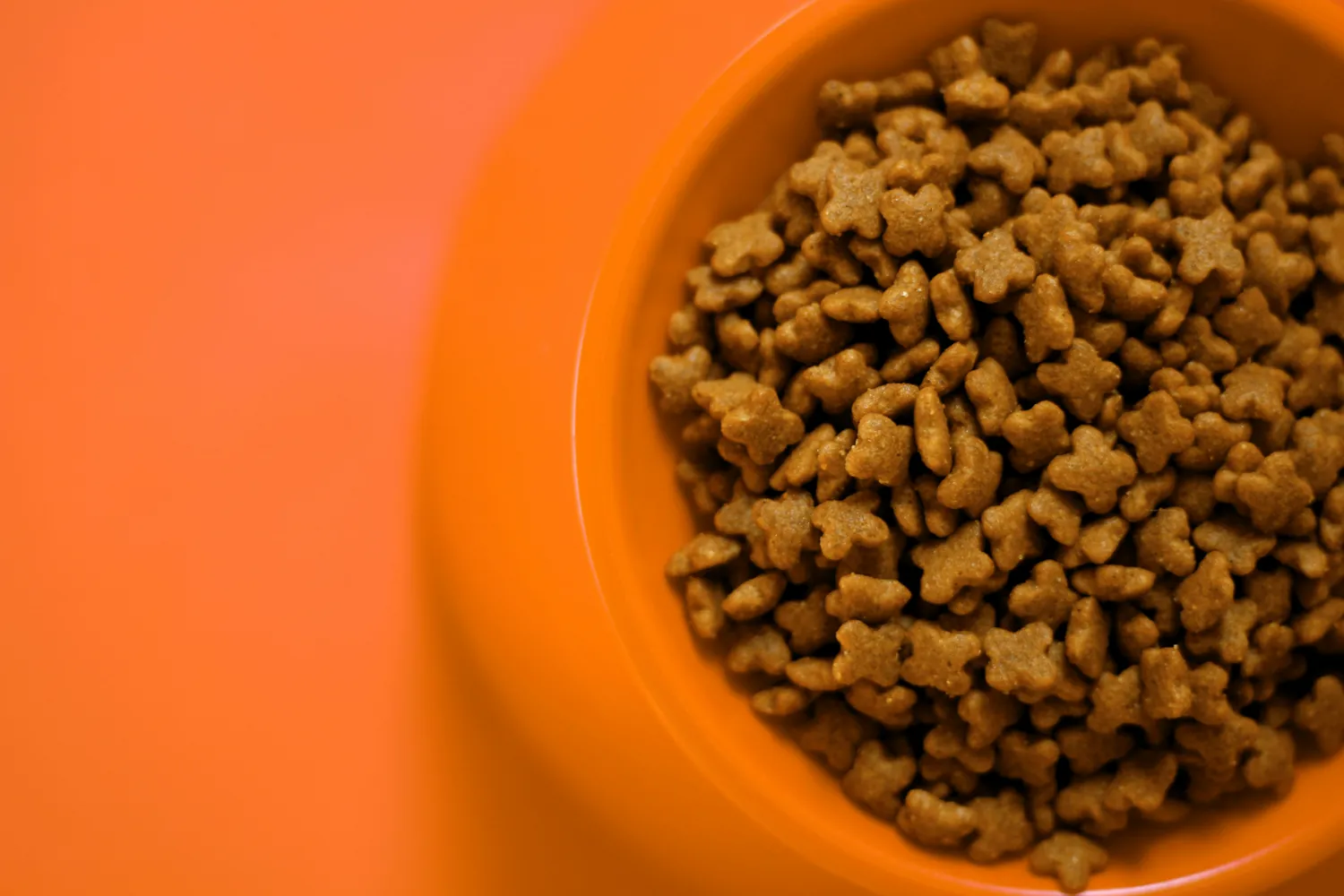

Understanding the Basics of Dog Nutrition
Navigating the world of dog nutrition can be overwhelming with so many options and opinions on what constitutes a healthy diet. Understanding the basic building blocks of nutrition is crucial for ensuring your dog's well-being. The core nutrients that form the foundation of a balanced canine diet include proteins, fats, and carbohydrates.
The Importance of Proteins
Proteins are essential for your dog's health as they support growth, repair tissues, and maintain a strong immune system. Dogs are omnivores but require higher protein levels than many other animals.
Sources of Protein:
- Meat: Beef, chicken, lamb, and fish are excellent sources of high-quality proteins.
- Eggs: A great protein source that also contains essential vitamins and minerals.
- Plant-Based Options: Lentils and peas can supplement your dog's protein intake, especially in grain-free diets.
Ensure that your dog's diet comprises at least 18% protein for adult dogs and 22% for puppies to support their developmental needs.
The Role of Fats in Canine Health
Fats provide energy, support cell function, and help the body absorb fat-soluble vitamins. They also play a crucial role in maintaining healthy skin and coat.
Sources of Fats:
- Animal Fats: Chicken fat, fish oil, and beef fat are great for energy and coat health.
- Plant Oils: Flaxseed oil and sunflower oil offer omega fatty acids beneficial for heart health.
Aim to include around 8-15% fat in your dog's diet to meet their energy needs without overfeeding.
The Necessity of Carbohydrates
Carbohydrates provide a quick energy source, help in digestion, and maintain gut health. While not as crucial as proteins or fats, they still play an essential part in a balanced diet.
Sources of Carbohydrates:
- Grains: Rice, oats, and barley are digestible and provide fiber.
- Vegetables: Sweet potatoes and carrots add fiber and nutrients.
Focus on complex carbohydrates to avoid spikes in blood sugar levels and ensure adequate fiber intake.
Creating a Balanced Diet
To develop a diet that meets all these nutritional needs, consider the following mini-framework to customize your dog's meal plan effectively.
Step 1: Assess Your Dog's Unique Needs
Evaluate factors such as age, breed, activity level, and health conditions. Puppies need more protein and calories, while older dogs may require fewer calories but more joint-supporting nutrients like glucosamine.
Step 2: Select Quality Ingredients
Choose high-quality commercial foods with the right balance of ingredients or prepare home-cooked meals ensuring all necessary nutrients are included. Always check labels for clarity on ingredient sources.
Step 3: Monitor Portion Sizes
Overfeeding can lead to obesity, while underfeeding might result in malnutrition. Use the feeding guidelines provided on commercial food packages as a starting point and adjust based on your pet's body condition.
Step 4: Supplement Wisely
If your dog has specific dietary needs or lacks certain nutrients, consult with a veterinarian about appropriate supplements such as omega-3 fatty acids or joint support compounds.
Step 5: Regular Health Check-Ups
Maintain regular vet visits to monitor your dog’s health and adjust their diet accordingly. These check-ups help identify any nutritional deficiencies early on.
The Importance of Hydration
Alongside these dietary components, hydration is critical. Fresh water should always be available to support digestion and nutrient absorption. Consider moistening dry kibble or incorporating wet food to increase water intake for dogs that drink less voluntarily.
Conclusion
Feeding your dog involves more than just offering food; it’s about ensuring each meal contributes to their overall health. By understanding key nutrients like proteins, fats, and carbohydrates, you can craft a balanced diet tailored to your dog's unique lifestyle needs. Implementing this framework will help maintain your pet's vitality, ensuring they enjoy a happy and healthy life by your side.