
Understanding the Nutritional Needs of Senior Dogs
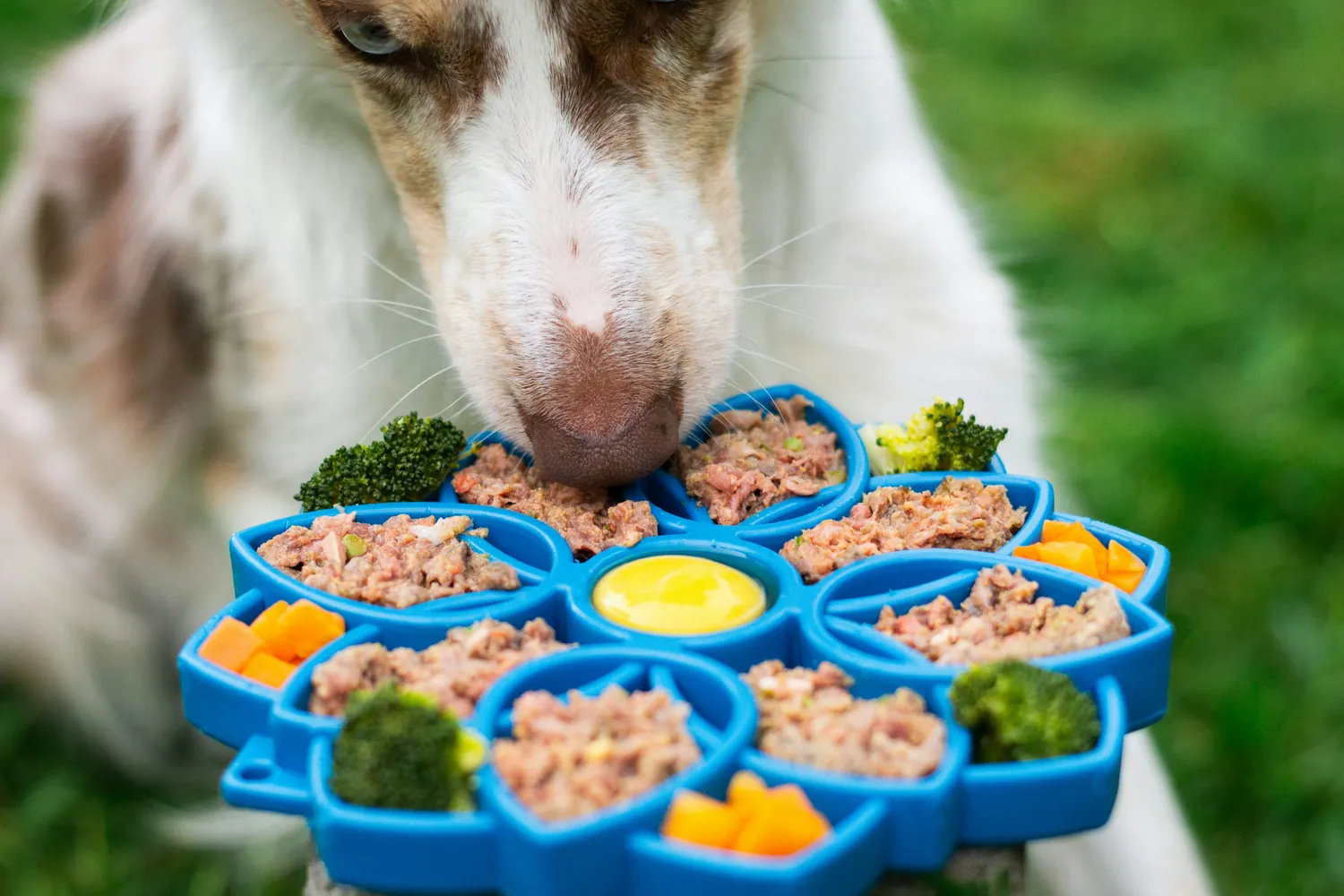
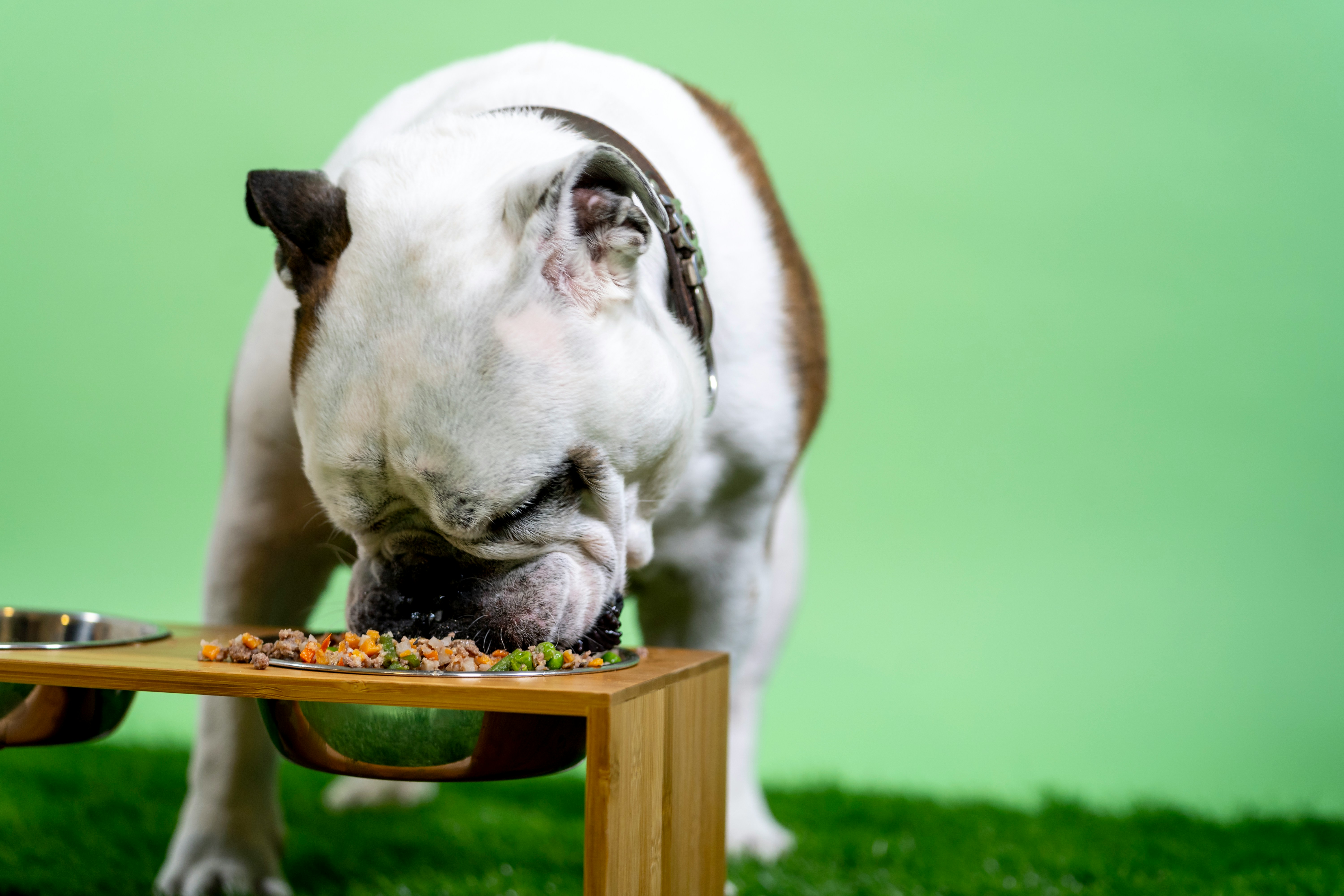
As dogs age, their nutritional needs evolve significantly. Aging brings about various physiological changes that require adjustments in diet to maintain their health and vitality. A well-crafted raw diet can be particularly beneficial for senior dogs as it aligns closely with their ancestral eating patterns while allowing precise control over ingredients and nutrients.
For senior dogs, the primary nutritional focuses should be on easily digestible proteins, essential fatty acids for joint health, and antioxidants to combat oxidative stress. Calcium and phosphorous ratios must also be balanced to support bone health without stressing the kidneys.
Benefits of a Raw Diet for Senior Dogs
A raw diet, when carefully planned, offers numerous benefits for senior dogs. It can help improve coat quality, reduce inflammatory responses, and enhance energy levels. Additionally, raw diets can be tailored to accommodate specific health issues common in senior dogs, such as arthritis or obesity.
However, transitioning to a raw diet should be done gradually to avoid digestive upset. Always consult with a veterinarian or a canine nutritionist before making significant dietary changes.
Key Nutrients for Aging Canines
The following nutrients are vital in ensuring a balanced diet for senior dogs:
- Protein: Opt for high-quality sources like lean meats (chicken, turkey, or beef) that are easily digestible.
- Omega-3 Fatty Acids: Essential for joint health and cognitive function. Sources include fish oil or flaxseed oil.
- Antioxidants: Found in fruits and vegetables like blueberries and carrots, they help reduce inflammation and oxidative stress.
- Calcium and Phosphorus: Crucial for bone health but must be balanced to prevent kidney strain. Bone meal or eggshell powder can be added to meals.
Selecting Safe Food Choices
When crafting a raw diet for your senior dog, selecting safe food sources is paramount. Ensure all meats are fresh and human-grade. Organ meats like liver and kidney should be included but limited due to their high nutrient density.
Avoid foods toxic to dogs, such as onions, garlic, grapes, and chocolate. For additional fiber and nutrients, incorporate small amounts of dog-safe vegetables like pumpkin or sweet potatoes.
Meal Preparation Tips
Proper meal preparation is essential in maintaining hygiene and nutrient integrity in a raw diet. Here’s how you can effectively prepare meals for your senior dog:
1. Set Up a Sanitary Prep Station
Cleanliness is crucial when handling raw food. Designate a specific area in your kitchen for meal prep and sanitize surfaces before and after use. Wear gloves to prevent cross-contamination.
2. Portion Control
Senior dogs may have slower metabolisms, so careful portion control is necessary to prevent obesity. Use a kitchen scale to measure ingredients accurately. A general guideline is feeding 2-3% of the dog's body weight per day, adjusting based on activity level and specific health needs.
3. Pre-Mix Ingredients
Create bulk batches of mixed meats, organs, and vegetables that can be portioned out into daily meals. Freeze these in meal-sized containers or bags to simplify daily feeding.
4. Rotation Diet
To ensure a comprehensive nutrient intake, rotate the types of protein (chicken today, beef tomorrow) and veggies (spinach today, kale tomorrow). This variation mimics a natural diet and prevents nutrient deficiencies or imbalances.
5. Supplements
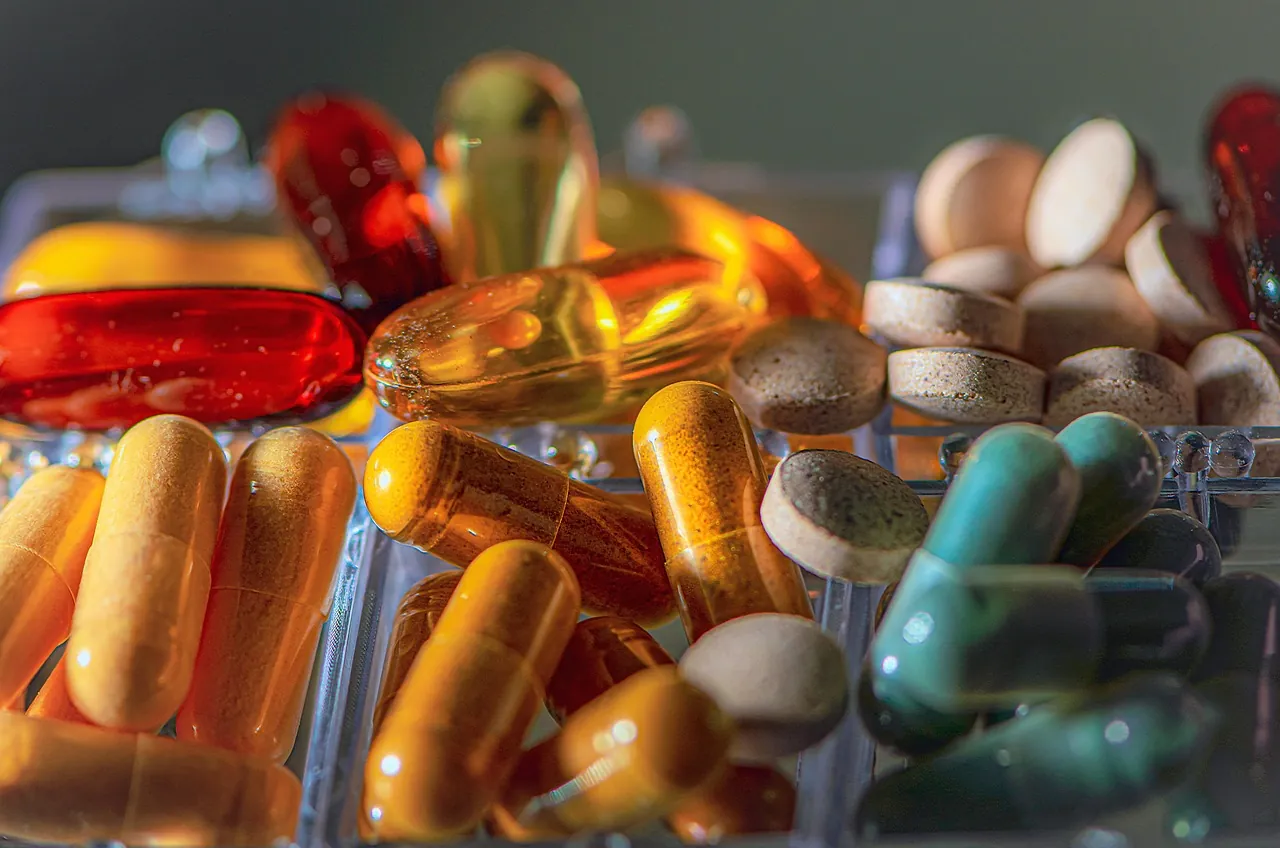
Add supplements as needed. Common additions for senior dogs include glucosamine for joint health, probiotics for gut health, and vitamin E as an antioxidant boost. Always consult with your vet before introducing new supplements.
Addressing Common Health Issues Through Diet
Nutritional strategies can mitigate some health concerns in older dogs:
- Arthritis: Include omega-3 fatty acids from fish oil and glucosamine supplements to support joint health.
- Cognitive Decline: Antioxidant-rich foods like berries can support brain function.
- Weight Management: High-fiber veggies like pumpkin can keep your dog full longer without extra calories.
A Case Study: Transitioning Max to a Raw Diet
Max, a 10-year-old Golden Retriever with arthritis, was initially on a commercial senior dog kibble diet. His owner noticed Max had reduced mobility and occasional digestive issues. After consulting with their vet, they decided to transition Max to a raw diet to address these issues.
The transition started with replacing one meal per day with a raw equivalent consisting of ground turkey, bone meal, spinach, and fish oil. Over four weeks, Max's entire diet shifted to raw. The owner reported improved mobility within two months as inflammation decreased due to the new diet's anti-inflammatory properties.
Conclusion: The Path to Vibrant Senior Years
Caring for a senior dog requires thoughtful attention to their changing dietary needs. A balanced raw diet can offer numerous benefits when tailored correctly, improving quality of life through better mobility, digestion, and overall energy levels. By following safe food preparation practices and consulting with veterinary professionals, owners can confidently support their aging companions through nutritious meal planning.