Understanding the Basics of Canine Nutrition
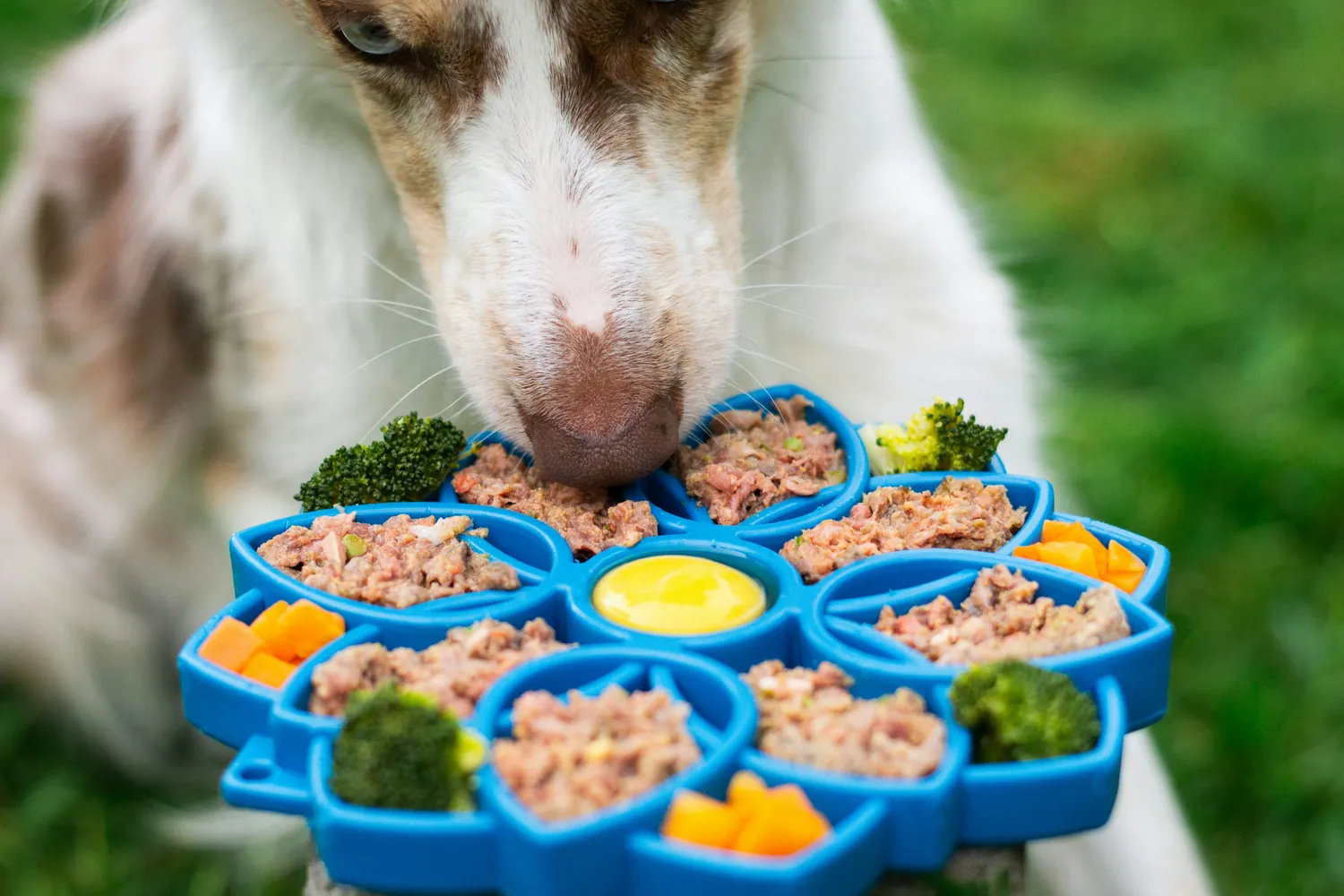
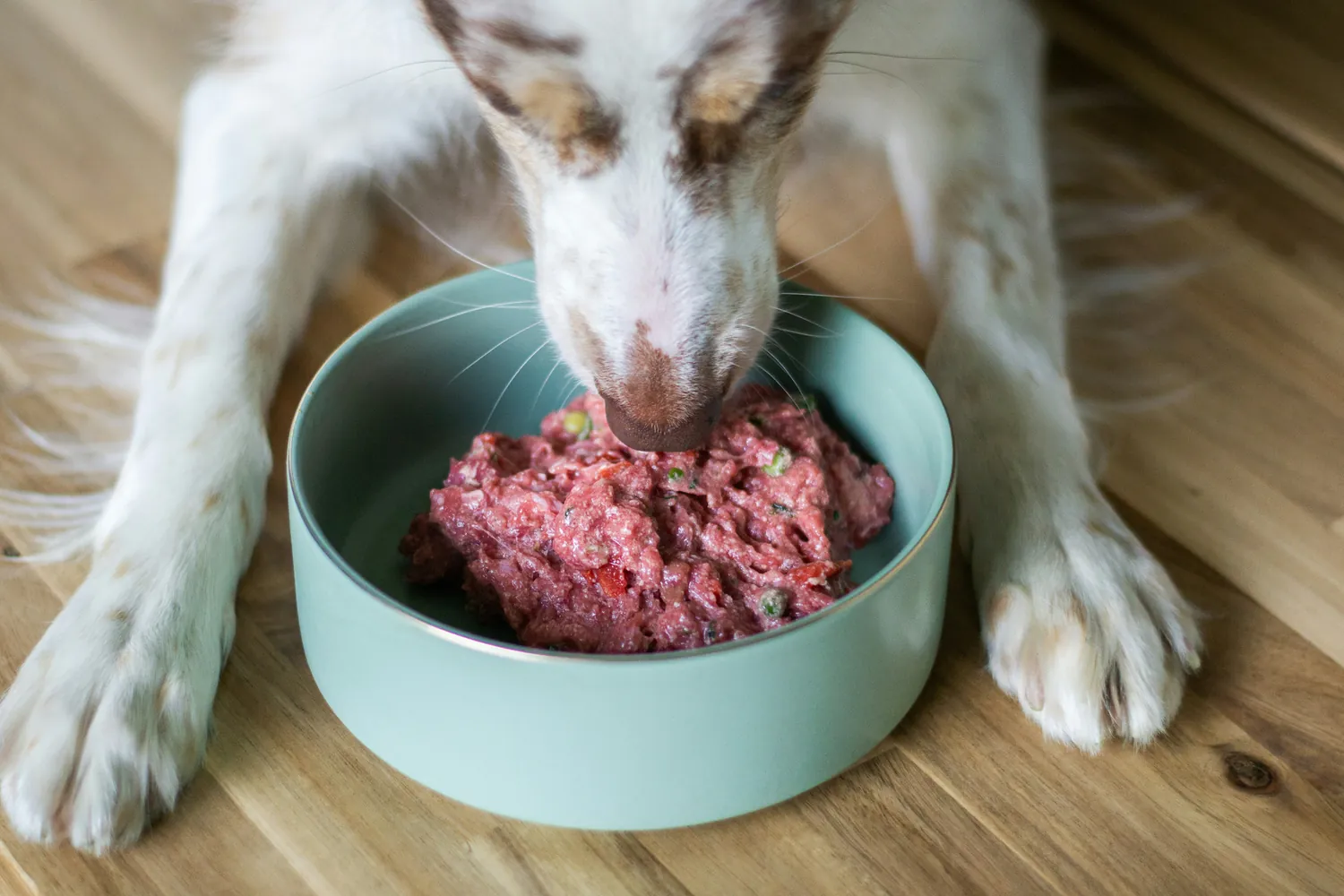
Creating a homemade diet for your dog is an opportunity to provide personalized nutrition and ensure high-quality ingredients. However, it’s crucial to understand the basics of canine nutritional needs to avoid potential deficiencies or imbalances. Dogs require a balanced diet consisting of proteins, fats, carbohydrates, vitamins, and minerals to maintain optimal health.
Let's dive into these essential nutrients and how you can integrate them into your dog's diet effectively.
The Role of Proteins in Your Dog's Diet
Proteins are vital for building and repairing tissues in your dog’s body. They serve as a source of energy and are crucial for the production of enzymes and hormones. High-quality protein sources should be the foundation of your homemade dog meals.
Recommended Protein Sources
- Chicken: A lean protein that is widely available and generally well-tolerated by dogs.
- Beef: Provides a rich source of iron and various B-vitamins, crucial for energy metabolism.
- Fish: Such as salmon or sardines, which also offer omega-3 fatty acids for skin and coat health.
- Eggs: Highly digestible and offer complete amino acid profiles.
When selecting protein sources, it’s beneficial to rotate between different types to provide a diverse nutrient profile and prevent allergies.
The Importance of Fats
Fats are an essential part of a dog's diet, providing energy, supporting cell function, and helping in the absorption of fat-soluble vitamins. Moreover, fats enhance the taste of food, making meals more palatable for dogs.
Healthy Fat Sources
- Fish Oil: Rich in omega-3 fatty acids, aiding in reducing inflammation and promoting healthy skin.
- Flaxseed Oil: An alternative plant-based option that provides alpha-linolenic acid (ALA).
- Chicken Fat: Easily incorporated into meals and provides linoleic acid, crucial for healthy skin and coat.
It’s important to monitor fat intake to prevent obesity while ensuring there is enough included to meet your dog’s energy requirements.
Carbohydrates: More Than Just Energy
While dogs can derive energy from fats and proteins, carbohydrates are an excellent source of dietary fiber, which supports digestive health. Including a variety of carbohydrate sources can help balance your dog’s diet.
Beneficial Carbohydrate Sources
- Sweet Potatoes: Provide fiber, beta-carotene, and other vitamins essential for health.
- Brown Rice: A whole grain that offers fiber, B-vitamins, and minerals.
- Pumpkin: Known for its digestive benefits, particularly in regulating stool consistency.
Aim to use unprocessed, whole food carbohydrate sources to maximize nutrient intake.
Vitamins and Minerals: Micronutrients That Matter
A balanced homemade diet also requires attention to micronutrients—vitamins and minerals—that support numerous bodily functions, from bone development to immune function.
Key Vitamins and Their Sources
- Vitamin A: Found in liver and orange vegetables like carrots and sweet potatoes. Important for vision and immune function.
- B-Vitamins: Abundant in meat, eggs, and green leafy vegetables; critical for energy metabolism.
Essential Minerals
- Calcium: Essential for bone health; can be provided through bones or supplements if necessary.
- Zinc: Found in meats; important for skin health and immune function.
If preparing homemade meals regularly, consider consulting with a veterinarian about adding specific vitamin or mineral supplements tailored to your dog's needs.
A Practical Mini-Framework for Homemade Dog Meals
Crafting a balanced meal requires careful consideration of ingredient portions relative to your dog's specific health needs. Here’s a practical mini-framework to help you get started:
- Select Protein: Choose a base protein such as chicken or beef. Aim for 40% of the total meal volume.
- Add Fats: Include healthy fats like fish oil. This should make up about 10% of the meal.
- Add Carbohydrates: Use whole grains or vegetables for the remaining 50%, providing dietary fiber and other nutrients.
This framework is adjustable based on your dog’s age, size, activity level, and any specific health considerations. Always monitor your dog's response to dietary changes and adjust accordingly.
Monitoring Your Dog's Health Through Diet
An essential part of feeding homemade meals is regular monitoring. Look out for changes in energy levels, coat condition, weight stability, and overall health indicators. Regular veterinary check-ups are important to ensure your dog remains in optimal health on their customized diet.
Conclusion
A nutrient-dense diet composed of balanced proteins, fats, carbohydrates, vitamins, and minerals is crucial for your dog's health. By carefully selecting ingredients and monitoring their effects on your pet's well-being, you can craft meals that support a long, healthy life. Remember that individual needs may vary; consult with professionals whenever necessary to tailor the diet further to suit your dog's unique requirements.