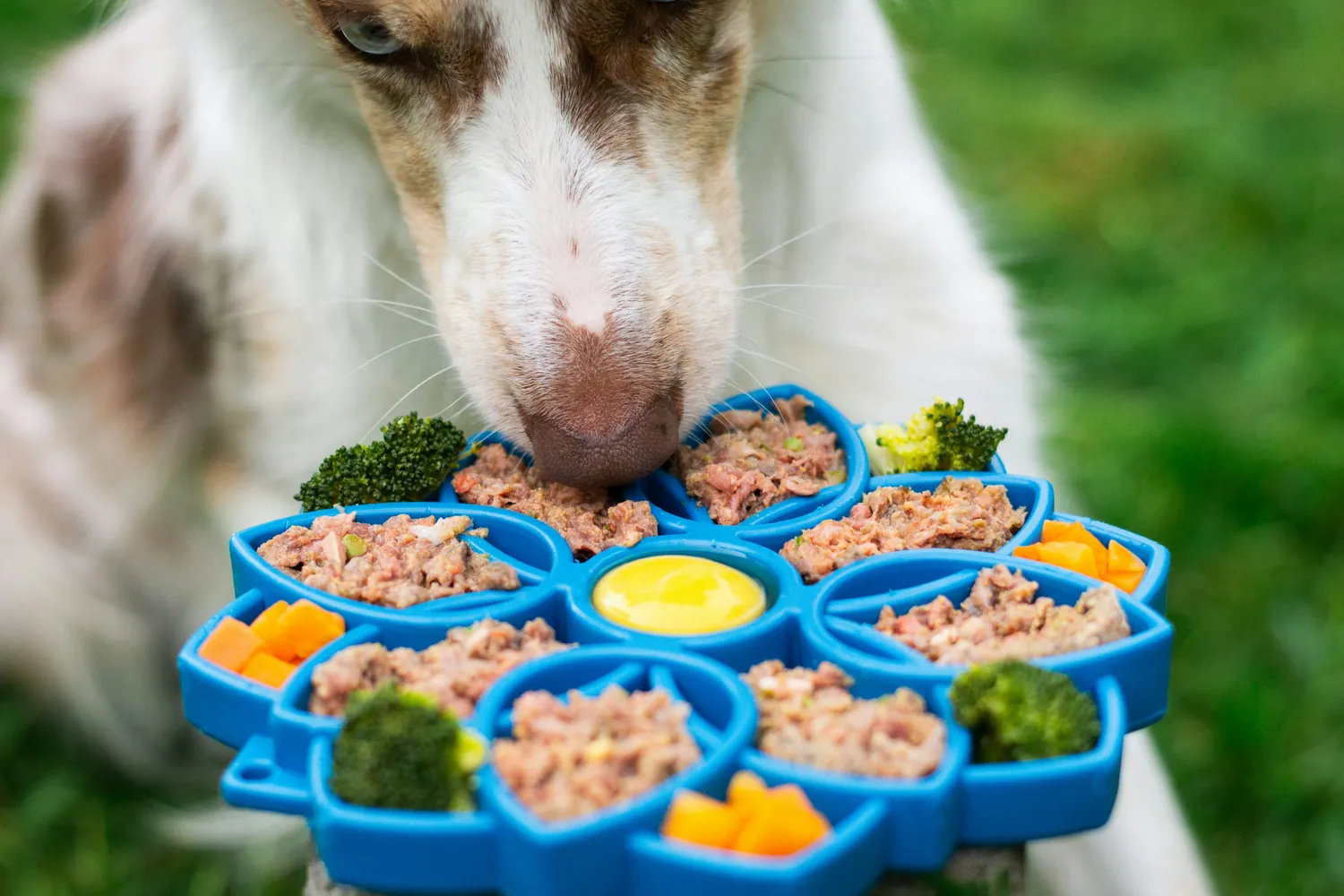
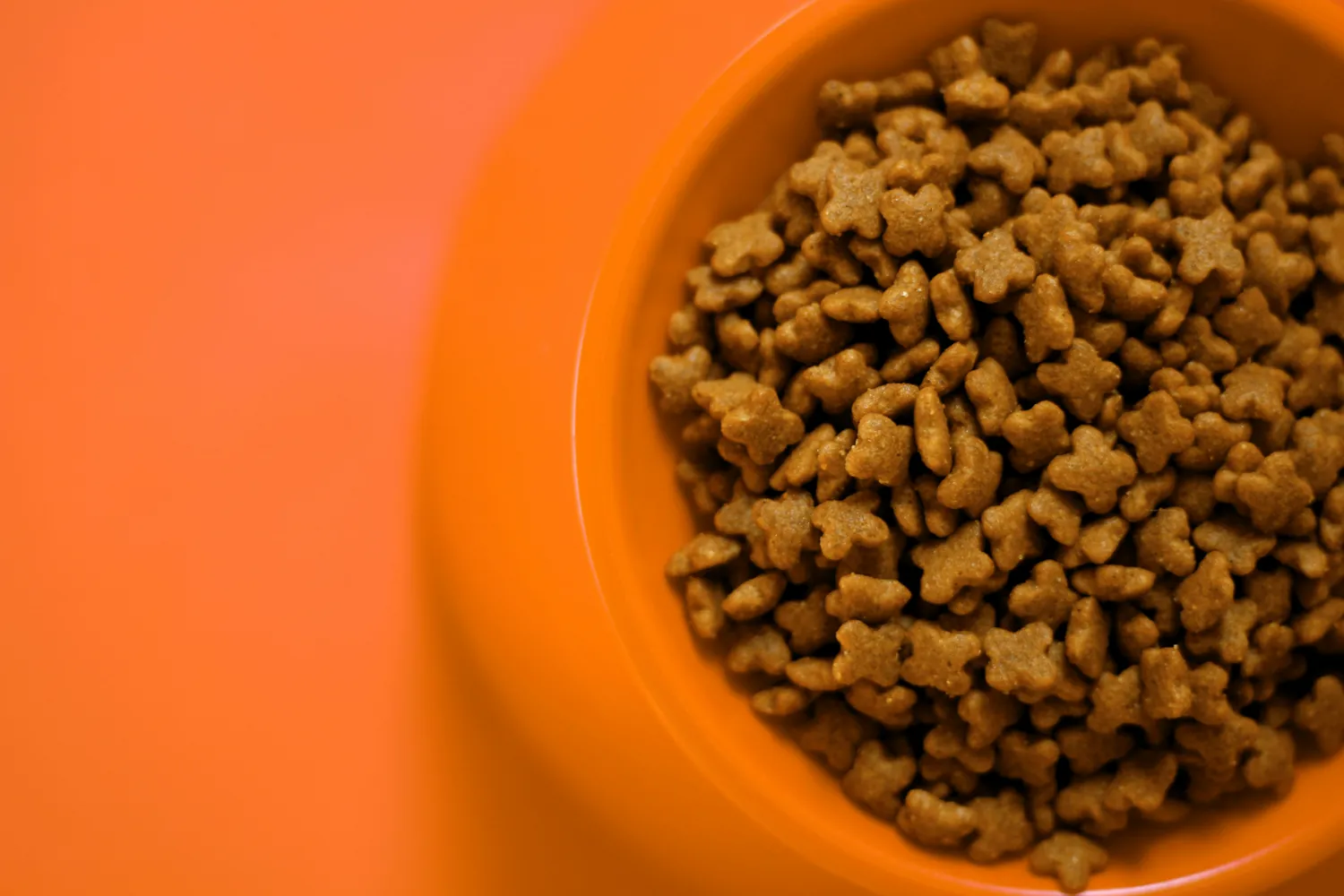
Understanding Your Dog's Dietary Needs
When it comes to crafting homemade dog food, understanding the balance of protein and carbohydrates is crucial for your dog's health. Dogs, like humans, require a diet that provides the right energy levels while ensuring muscle maintenance, healthy digestion, and overall vitality. Knowing how to measure these nutrients based on your dog's size and activity level can make a significant difference in their well-being.
The Role of Protein in a Dog's Diet
Protein is vital for the development and repair of body tissues. It also supports immune function, hormone production, and energy provision. The recommended protein intake for dogs generally ranges from 18% to 25% of their daily calorie intake. However, this percentage may vary depending on several factors, including age, breed, activity level, and health status.
Puppies and Active Dogs: Puppies and highly active dogs require higher protein levels for growth and energy. A range between 22% and 28% can be appropriate for these groups.
Senior or Less Active Dogs: Older or less active dogs may benefit from lower protein levels, around 18% to 20%, to help manage weight and kidney health.
The Importance of Carbohydrates
Carbohydrates serve as an essential energy source, enabling dogs to maintain their activity levels without resorting to breaking down proteins for energy. Including healthy carbs can also assist in maintaining proper digestive function and nutrient absorption.
While not technically necessary for survival, carbohydrates provide fibers and antioxidants important for a well-rounded diet. A typical homemade dog food should contain about 30% to 60% carbohydrates, depending on the dog’s activity level.
Creating a Balanced Meal Plan
Constructing a balanced meal plan for your dog requires understanding their individual needs. Here are steps to guide you:
- Determine Caloric Needs: Use a caloric calculator or consult with your veterinarian to determine your dog's daily caloric requirements based on their weight, age, breed, and activity level.
- Select Protein Sources: Opt for lean meats such as chicken, turkey, fish, or beef. Aim for meats that are easily digestible and contain essential amino acids.
- Include Carbohydrates: Choose complex carbohydrates like brown rice, sweet potatoes, or oatmeal. These options provide sustained energy without leading to quick spikes in blood sugar.
- Add Vegetables: Incorporate vegetables like carrots, peas, and spinach for added fiber and vitamins. Ensure they are cooked thoroughly to aid digestion.
- Measure Accurately: Use a kitchen scale to measure the ingredients correctly. This precision helps maintain consistency in meals and nutritional balance.
Example Meal Recipe
For a mid-sized active dog weighing about 50 pounds, consider the following example recipe:
- Protein Source: 200 grams of cooked chicken breast
- Carbohydrate Source: 100 grams of cooked brown rice
- Vegetables: 50 grams of steamed carrots
This combination offers approximately 25% protein and 55% carbohydrates, fitting well within the guidelines for an active dog. Adjust portions accordingly based on your dog’s specific needs.
Monitoring Your Dog's Health
After switching to a homemade diet, observe your dog for any changes in weight, coat condition, energy levels, and digestive health. Regular vet check-ups can ensure that your dog's diet remains appropriate over time.
Potential Challenges and Solutions
Certain challenges may arise when transitioning to homemade dog food:
- Nutrient Deficiency: Ensure you're including all essential nutrients by occasionally incorporating commercial dog supplements recommended by your vet.
- Weight Management: Monitor portion sizes to prevent obesity or underfeeding.
The Pros and Cons of Homemade Dog Food
Weighing the benefits and potential downsides of homemade dog food can help in making an informed decision:
Pros
- Customization: Tailor meals to meet your dog’s unique dietary needs or preferences.
- Control Over Ingredients: Avoid preservatives or allergens found in some commercial foods.
Cons
- Time-Consuming: Preparing homemade meals requires commitment and time for proper cooking and measuring.
- Nutritional Balance: Requires careful planning to ensure complete nutrition, possibly needing professional guidance.
By considering these aspects, pet owners can decide whether homemade meals are suitable for their lifestyle and their pet's health needs.