Understanding the Needs of Senior Cats
As cats enter their senior years, typically around the age of seven or eight, their health needs change significantly. Just like humans, older cats require more specialized care to maintain a good quality of life. This article provides a practical checklist for senior cat owners to ensure regular veterinary checkups, appropriate vaccinations, and dietary adjustments that promote long-term health.
Regular Veterinary Checkups: A Cornerstone of Senior Cat Care
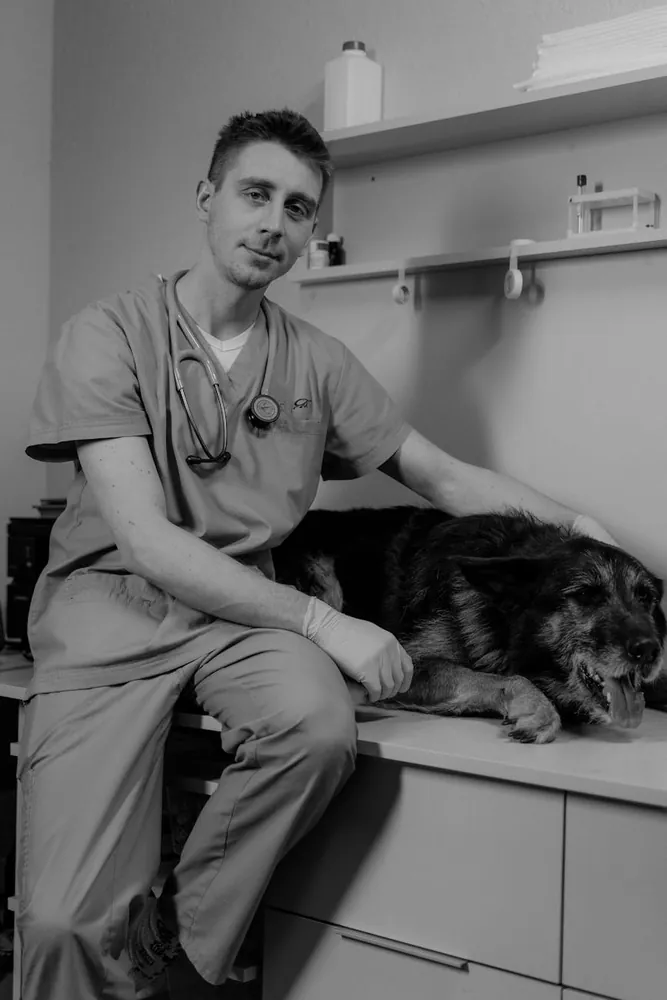
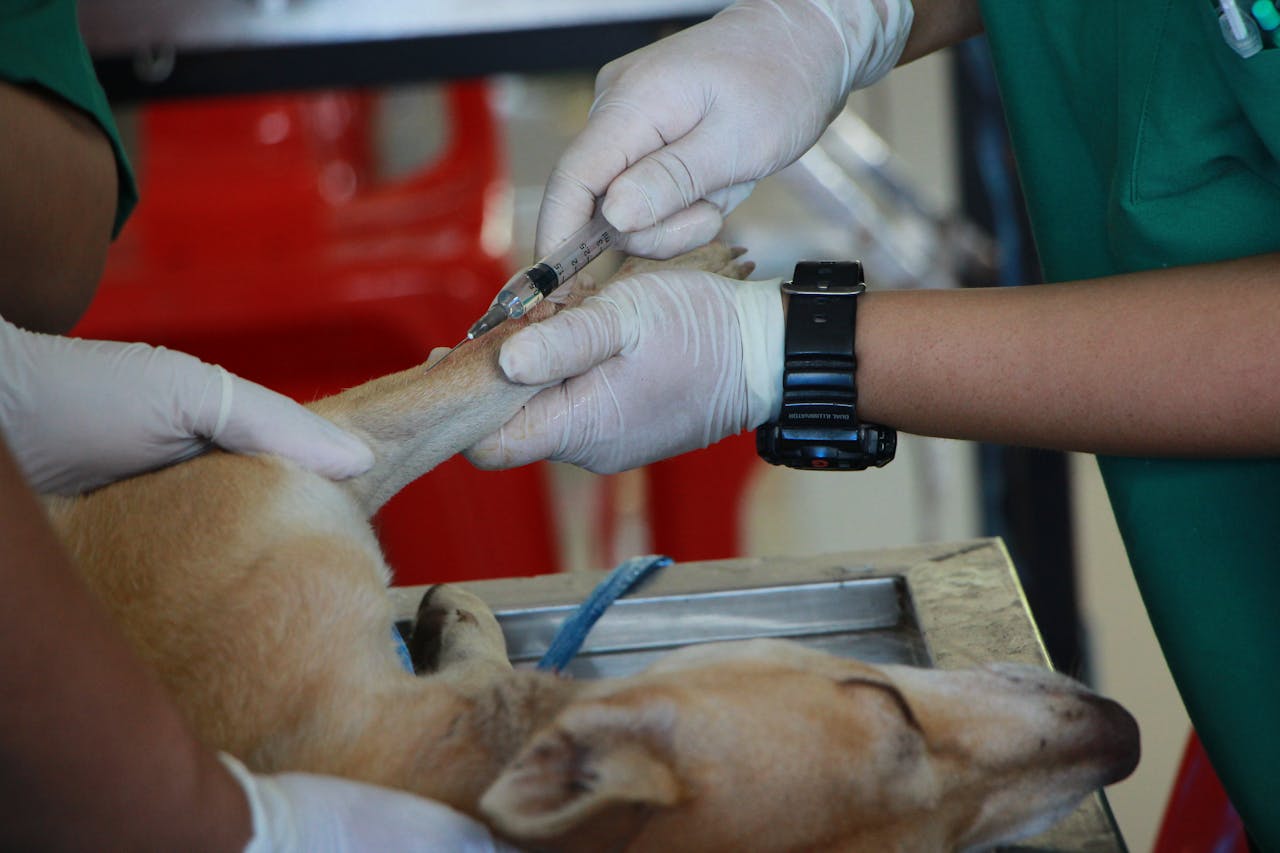
One of the most important strategies in caring for a senior cat is to ensure regular veterinary checkups. These visits should be scheduled at least twice a year to monitor your cat's health closely.
Comprehensive Physical Examinations
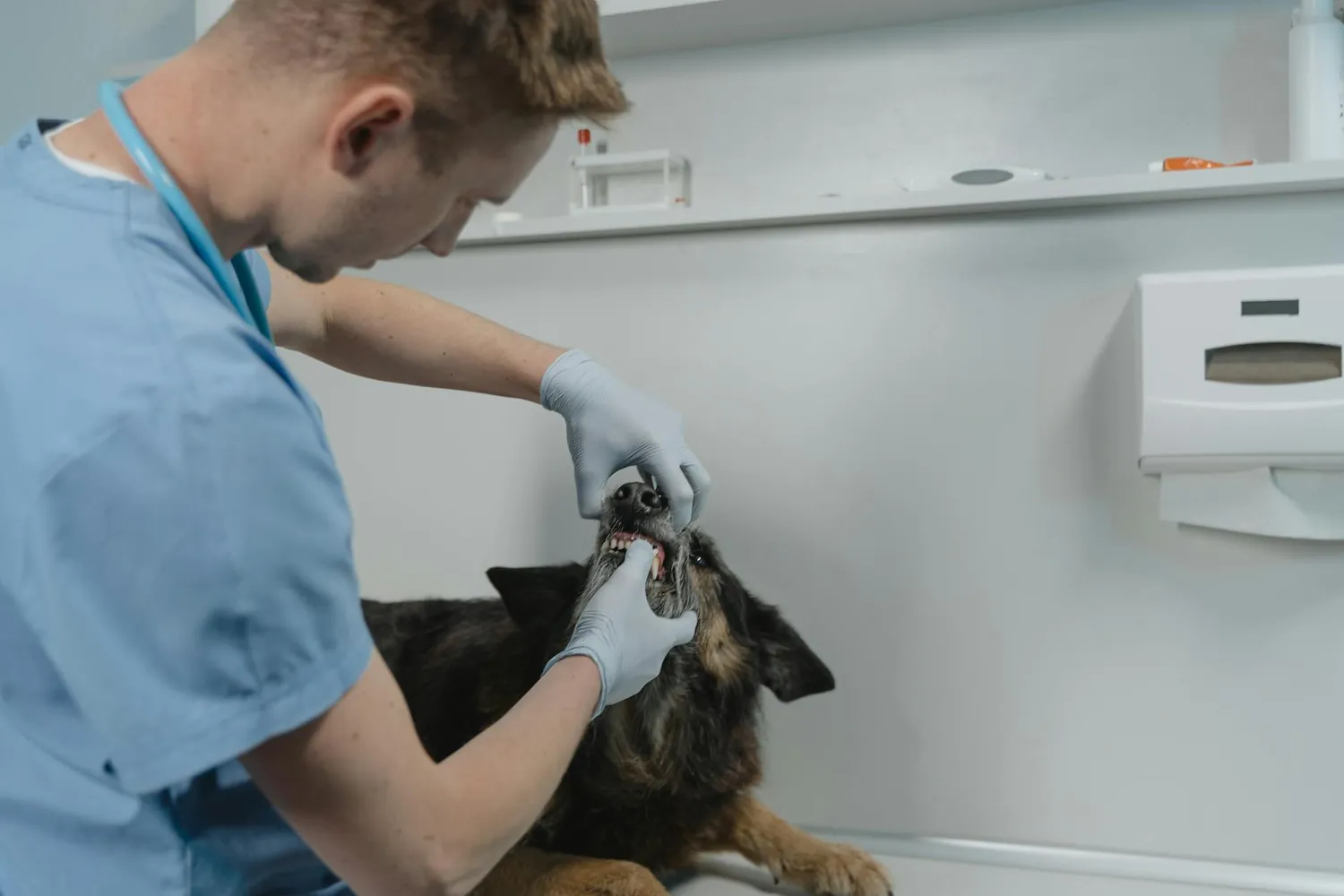
During these checkups, your vet will perform a comprehensive physical examination. This includes assessing weight, checking vital signs like heart rate and temperature, and examining the teeth and gums for signs of dental disease, which is common in older cats.
Blood Tests and Diagnostic Screenings
Blood tests are crucial for detecting early signs of diseases such as kidney disease or diabetes, which are prevalent in older cats. Your veterinarian may also recommend diagnostic screenings like x-rays or ultrasounds to check for any internal issues.
- Kidney Function Tests: As kidneys can deteriorate with age, these tests help in detecting renal failure early.
- Thyroid Tests: Hyperthyroidism is common in older cats, so regular screening is advisable.
Updating Vaccinations and Preventive Treatments
While senior cats may not need as many vaccines as younger ones, keeping their vaccinations up-to-date is essential to protect them against infectious diseases.
Core Vaccinations
Discuss with your vet which core vaccinations are necessary based on your cat's lifestyle. Typically, rabies and feline distemper (FVRCP) boosters are recommended even for older cats.
Parasite Prevention
Seniors may have weaker immune systems, making them more susceptible to parasites. Regular treatments for fleas, ticks, and worms are crucial. Consider opting for gentle formulations suited for older animals.
Dietary Adjustments for Optimal Health
A proper diet can significantly enhance the life of your senior cat. Nutritional needs change with age, requiring dietary adjustments to prevent obesity and manage chronic conditions.
Selecting Senior-Specific Cat Foods
Look for cat food labeled for senior cats as these products are formulated to provide the right balance of nutrients needed at this stage. Key ingredients often include:
- High-quality Protein: To maintain muscle mass, especially if your cat is less active.
- Reduced Calories: Helps prevent obesity, a common issue in less active senior cats.
- Increased Fiber: Promotes healthy digestion and reduces hairball formation.
Feeding Schedule and Portion Control
A consistent feeding schedule can help manage weight and digestive health. Measure portions carefully to avoid overfeeding and consider multiple small meals throughout the day instead of one large meal.
Encouraging Exercise and Mental Stimulation
Exercise remains vital for maintaining physical health and mental acuity in older cats. Encourage regular physical activity through interactive play and environmental enrichment.
Toys and Playtime
Invest in toys that stimulate your cat’s hunting instincts. Laser pointers, feather toys, and puzzle feeders can keep them engaged without being overly strenuous.
Create an Enriching Environment
Enrich your cat’s environment with perches, scratching posts, and cozy resting spots. Ensure they have access to sunny windowsills where they can watch birds or enjoy sunbathing.
Monitoring Behavior and Signs of Aging
Aging can affect a cat’s behavior. Monitoring these changes closely helps in identifying potential health issues early.
Cognitive Changes
Cats may exhibit signs of cognitive dysfunction similar to dementia in humans. Look for disorientation, changes in sleeping patterns, or increased vocalization.
Mood and Mobility
If your cat seems more irritable or less active, arthritis or another pain-related condition could be the culprit. Always consult with your vet if such behavioral changes occur.
The Role of Hydration in Senior Cat Health
Sufficient hydration is crucial for preventing urinary tract infections and supporting kidney function in senior cats.
Water Intake Strategies
- Provide fresh water at all times, using a water fountain if possible to encourage drinking.
- Consider wet food diets that naturally contain more moisture than dry foods.
Monitoring for Dehydration
Signs of dehydration include sunken eyes, dry mouth, and skin tenting. Always address these symptoms promptly with your vet’s guidance.
The Importance of Dental Care
Dental health directly impacts overall well-being, particularly in senior cats who are prone to periodontal disease.
Regular Dental Cleanings
Your vet might recommend professional dental cleanings. At home, try brushing your cat’s teeth regularly with vet-approved toothpaste.
Tartar Control Treats
Introduce dental treats designed to reduce tartar buildup as an easy supplement to your oral care routine.
Conclusion: A Holistic Approach to Senior Cat Care
Caring for a senior cat involves a comprehensive approach focusing on preventive care to extend their lives and enhance their quality of life. By ensuring regular veterinary visits, adjusting their diet, encouraging exercise, monitoring behavioral changes, maintaining hydration levels, and prioritizing dental care, you can significantly impact your furry friend's health positively. Every small step towards these goals contributes to the well-being of your beloved pet during their golden years.