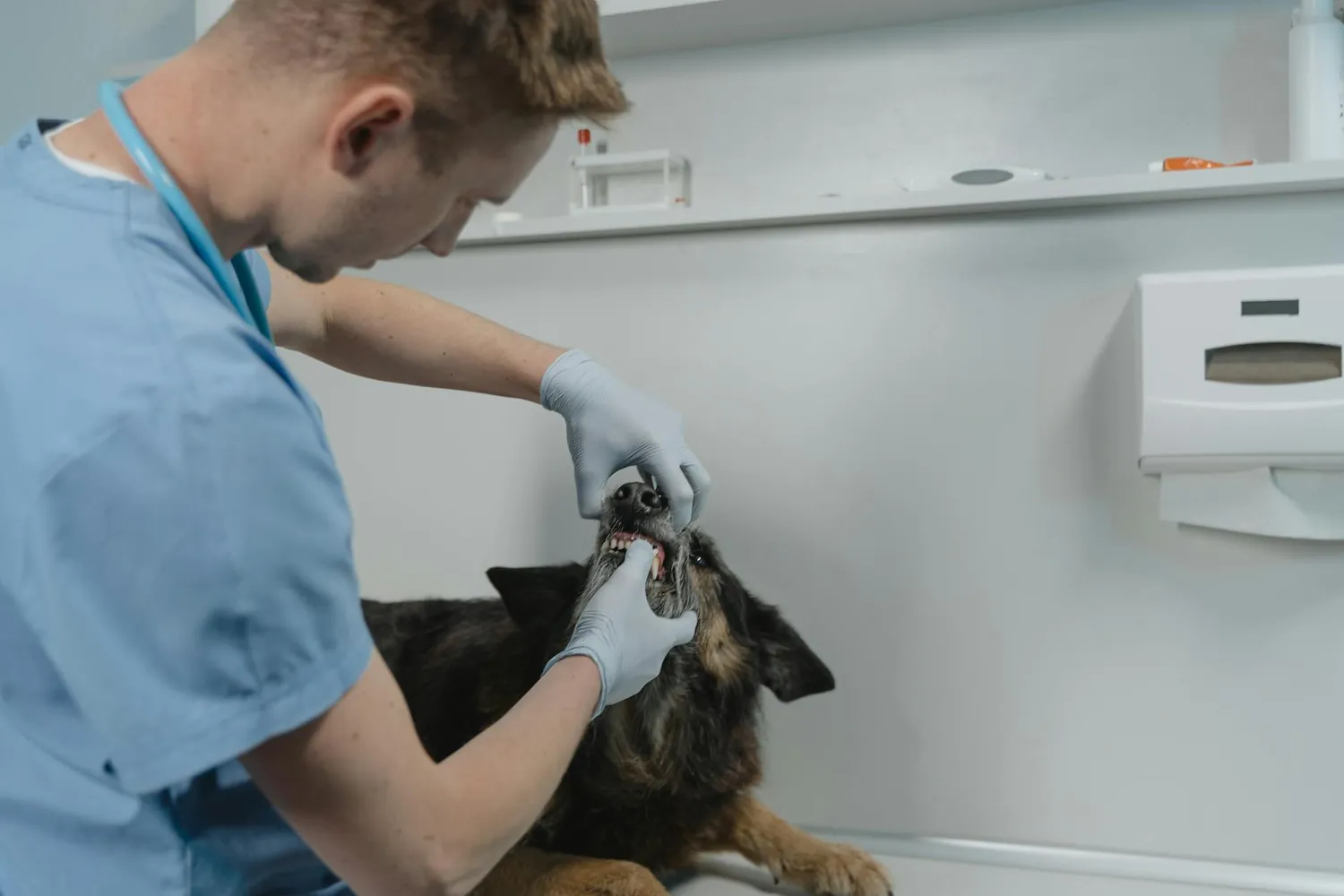
The Importance of Pet Dental Health
Pet dental health is often an overlooked aspect of animal care, yet it plays a crucial role in the overall well-being and longevity of pets. Just like in humans, poor dental health can lead to a myriad of other health problems in pets, affecting not just their mouth but their entire body. Regular dental checkups can help prevent serious conditions and contribute to a longer, healthier life for your furry friends.
Understanding Oral Health in Pets
Oral health issues in pets commonly include plaque buildup, gingivitis, periodontitis, and tooth decay. These conditions can cause significant pain and discomfort for pets, potentially leading to more severe health problems if left untreated. The bacteria from periodontal disease can enter the bloodstream, causing heart, liver, and kidney issues.
Signs of Dental Issues
- Bad breath
- Difficulty eating or chewing
- Inflamed or bleeding gums
- Loose teeth
- Pawing at the mouth
If you notice any of these signs, it's essential to consult with your veterinarian promptly.
Case Studies Highlighting the Connection Between Oral Health and Longevity
Case Study 1: Max the Labrador
Max, a nine-year-old Labrador Retriever, was presented with chronic bad breath and reluctance to eat. Upon examination, his veterinarian discovered advanced periodontal disease. After a thorough dental cleaning and subsequent regular checkups, Max showed remarkable improvement in his overall health and vitality. His owners noticed a renewed energy and increased activity level.
Case Study 2: Whiskers the Persian Cat
Whiskers, a seven-year-old Persian cat, suffered from inflamed gums and frequent drooling. With targeted dental care including routine cleaning and a specialized diet, her oral health improved significantly. Her coat became shinier, and her playful behavior returned, illustrating the interconnectedness of dental health and overall wellbeing.
Preventive Care Strategies for Pet Dental Health
Regular Veterinary Checkups
Regular veterinary checkups are paramount in maintaining your pet's dental health. These visits allow veterinarians to spot early signs of dental disease that pet owners may overlook. A professional cleaning might be necessary once or twice a year, depending on your pet’s specific needs.
At-Home Dental Care
- Brushing: Use pet-specific toothpaste and a soft-bristled brush to clean your pet's teeth regularly.
- Dental Treats: Offer treats designed to reduce plaque buildup.
- Chew Toys: Provide toys that promote oral health by helping to clean teeth naturally.
Incorporating these habits into your daily routine can significantly enhance your pet’s oral hygiene.
The Role of Diet in Dental Health
A balanced diet plays a critical role in maintaining healthy teeth and gums. Specially formulated dental diets are available that help reduce plaque and tartar buildup. These diets usually contain larger kibble pieces that require more chewing, effectively cleaning teeth while eating.
Framework for Sustaining Pet Oral Health
To create a comprehensive plan for sustaining your pet's dental health, consider implementing the following framework:
- Monthly Checklist: Mark one day each month for a thorough inspection of your pet’s mouth.
- Annual Professional Cleanings: Schedule annual appointments with your vet for professional cleanings.
- Daily Care Routine: Incorporate daily brushing into your pet care regimen.
This structured approach will ensure you stay proactive in managing your pet’s oral health.
The Long-Term Benefits of Good Oral Hygiene
Maintaining good oral hygiene not only improves the quality of life for pets but also extends their lifespan. By reducing the risk of systemic diseases that originate from oral infections, you help ensure that your pets remain happy and healthy companions for years to come.
Conclusion: Investing in Your Pet's Future
The connection between dental health and longevity is undeniable. Investing time and resources into regular dental care is a small effort compared to the substantial benefits it offers. By prioritizing oral hygiene, you provide your pet with the opportunity to live a longer, more fulfilled life.