The Importance of Vaccinations in Pet Health
Vaccinations are a cornerstone of preventive veterinary care. They play a crucial role in safeguarding pets from a range of serious and potentially fatal diseases. These include rabies, distemper, parvovirus, feline leukemia, and more. The primary goal of vaccination is to stimulate the animal's immune system to produce antibodies against these diseases without causing the disease itself.
Understanding vaccination protocols and engaging in informed discussions with your veterinarian are essential for pet owners. By doing so, you ensure that your furry friends receive the protection they need while avoiding unnecessary vaccinations.
How Vaccines Work
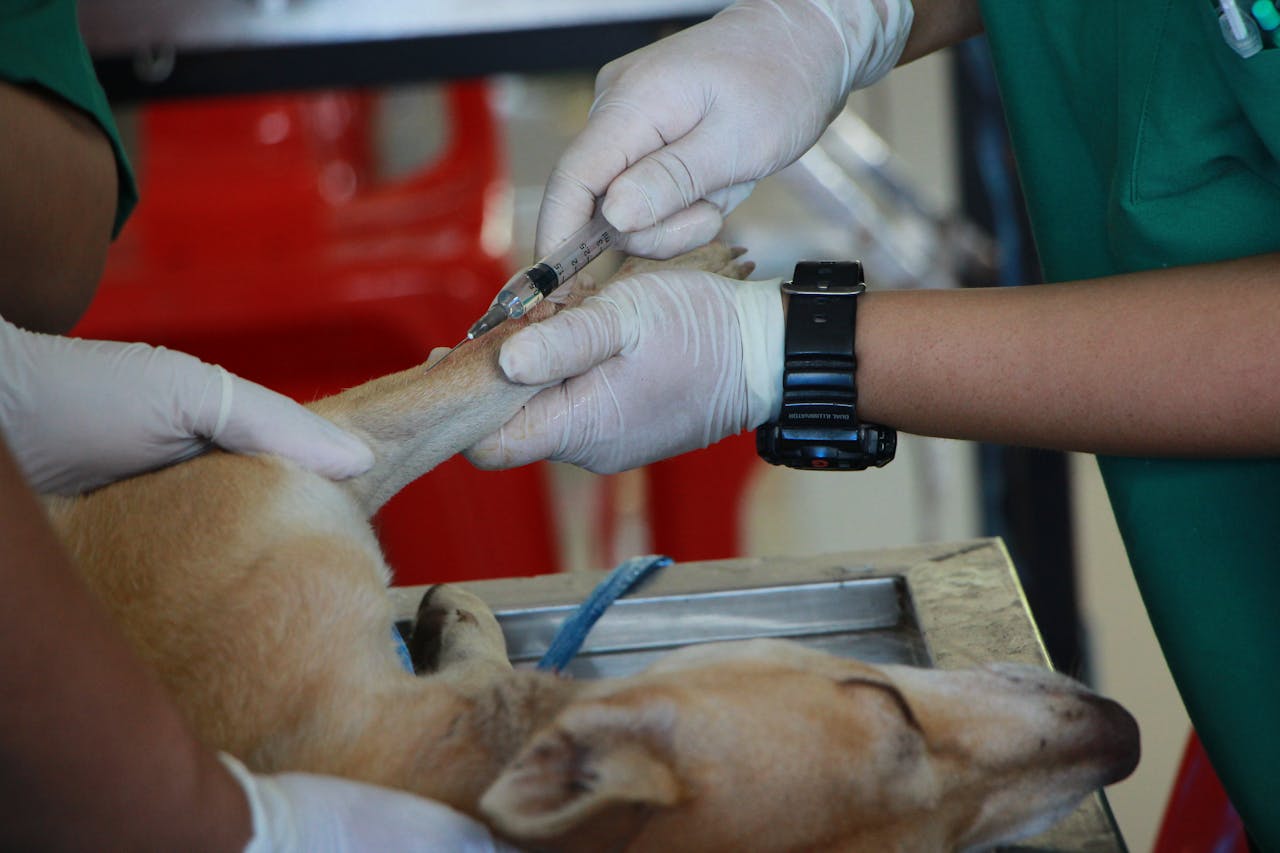
Vaccines contain antigens that mimic disease-causing organisms but do not cause disease. When a vaccine is administered, it stimulates the pet’s immune system to recognize the antigen as a threat, destroy it, and remember it for future encounters. This means if your pet is exposed to the actual disease later, their immune system can respond more effectively.
Types of Vaccines
- Live attenuated vaccines: These contain a version of the living microbe that has been weakened so it cannot cause disease.
- Inactivated vaccines: These contain a killed version of the germ that causes the disease.
- Toxoid vaccines: These prevent diseases caused by bacteria that produce toxins in the body. The vaccines use toxins that have been made harmless.
Core vs. Non-core Vaccines
Vaccines are broadly categorized into core and non-core vaccines. Core vaccines are considered vital for all pets based on the risk of exposure, severity of disease, and potential transmissibility to humans.
Core Vaccines for Dogs
- Rabies: Legally required in many regions, rabies is fatal and transmissible to humans.
- Canine Distemper: Affects respiratory, gastrointestinal, and nervous systems.
- Parvovirus: Causes severe vomiting and diarrhea, often fatal in puppies.
- Adenovirus (Canine Hepatitis): Affects liver and other organs.
Core Vaccines for Cats
- Rabies: Like dogs, this is also a legal requirement for cats in many areas.
- Feline Panleukopenia (Distemper): Highly contagious and potentially fatal.
- Feline Herpesvirus: Causes respiratory infections.
- Feline Calicivirus: Another respiratory infection.
Non-core vaccines are given based on the pet’s lifestyle and exposure risk. These might include Lyme disease for dogs or feline leukemia for cats that spend time outdoors.
Understanding Vaccine Schedules
The schedule for vaccinations begins at a young age and continues throughout a pet’s life. Puppies and kittens typically start receiving vaccines between six and eight weeks of age. Booster shots follow several weeks apart to ensure complete immunization. For adults, booster shots may be administered annually or triennially depending on the vaccine type and health guidelines.
Puppy Vaccination Schedule Example
- 6-8 weeks: First DHPP (distemper, hepatitis, parainfluenza, parvovirus)
- 9-12 weeks: Second DHPP + first Leptospirosis (if needed)
- 12-16 weeks: Third DHPP + Rabies
Kitten Vaccination Schedule Example
- 6-8 weeks: First FVRCP (feline viral rhinotracheitis, calicivirus, panleukopenia)
- 9-12 weeks: Second FVRCP + FeLV (if needed)
- 12-16 weeks: Third FVRCP + Rabies
Your veterinarian will tailor the vaccine schedule based on your pet’s specific needs and circumstances. For instance, an indoor cat might not need as extensive a vaccination plan as an outdoor one.
Navigating Vaccine Discussions with Your Veterinarian
An open dialogue with your veterinarian is key to making informed decisions about your pet’s vaccination protocol. Here are some steps to consider when discussing vaccines with your vet:
1. Assess Risk Factors
The need for certain vaccines depends on factors such as geographic location, lifestyle (indoor vs. outdoor), travel habits, and age. Discuss these aspects with your vet to determine which vaccines are necessary.
2. Consider Titer Testing
Titer tests measure the level of antibodies in your pet’s blood to determine whether they still have immunity against specific diseases. These tests can help decide if boosters are needed, potentially reducing unnecessary vaccinations.
3. Weigh Benefits vs. Risks
No vaccine is without risk, although adverse reactions are generally rare. Discuss potential side effects with your vet to weigh them against the benefits of vaccinating your pet.
4. Regular Updates
Your pet's health status and environmental risks change over time. Regular veterinary visits provide an opportunity to reassess vaccination needs and adjust protocols accordingly.
Addressing Common Concerns About Pet Vaccination
The topic of pet vaccination can raise several concerns for pet owners. Here are some common questions addressed:
Are Vaccines Safe?
The overwhelming consensus among veterinary professionals is that vaccines are safe and necessary. Side effects are generally mild and temporary, such as slight fever or soreness at the injection site. Severe reactions are rare but should be monitored by a veterinarian immediately if they occur.
Can My Pet Be Over-Vaccinated?
This is where personalized care comes into play. With precise records and titer testing where appropriate, over-vaccination can be minimized while still ensuring protection against serious diseases.
The Future of Pet Vaccination Protocols
The field of veterinary medicine continually evolves with advancements in research and technology. Newer vaccines with longer duration of immunity are being developed, which may reduce the frequency of vaccinations needed over a pet's lifetime. Moreover, greater emphasis on personalized medicine will likely lead to more customized vaccination plans tailored to each individual pet's needs.
The ultimate goal remains unchanged: protecting pets from preventable diseases through effective vaccination strategies while maintaining their overall health and well-being.