
The Importance of Regular Veterinary Check-ups
Pets, much like humans, require consistent medical attention to prevent and manage health issues effectively. Routine veterinary visits are critical, especially when it comes to parasite control. Parasites such as fleas, ticks, and worms can cause significant health problems if not managed proactively. These visits help ensure that your pet is protected through preventive measures and allow early detection and treatment of any infestations.
Understanding Parasite Risks
The first step in effective parasite control is understanding the risk factors specific to your pet. Factors include age, lifestyle, geographic location, and existing health conditions. For instance, a dog that regularly frequents dog parks may be at higher risk for fleas and ticks than an indoor cat. Similarly, pets living in warmer climates are generally more susceptible to parasite infestations year-round.
- Geographic Considerations: In certain areas, ticks can carry diseases like Lyme disease or ehrlichiosis. Knowing the local parasite threats can inform the type of preventive measures needed.
- Age and Health Status: Puppies and kittens, as well as senior pets, often have weaker immune systems, making them more susceptible to parasite infections.
Selecting Appropriate Preventive Measures
Once you have assessed the risk factors, the next step is to select suitable preventive measures. This can range from topical treatments to oral medications, depending on what is most effective for your pet's specific circumstances.
Monthly Treatments
Many veterinarians recommend monthly treatments to guard against fleas, ticks, and worms. Products like Revolution or Advantage are popular options that provide broad-spectrum coverage against multiple types of parasites. However, it is essential to follow dosage instructions carefully based on your pet's weight and species.
Vaccinations
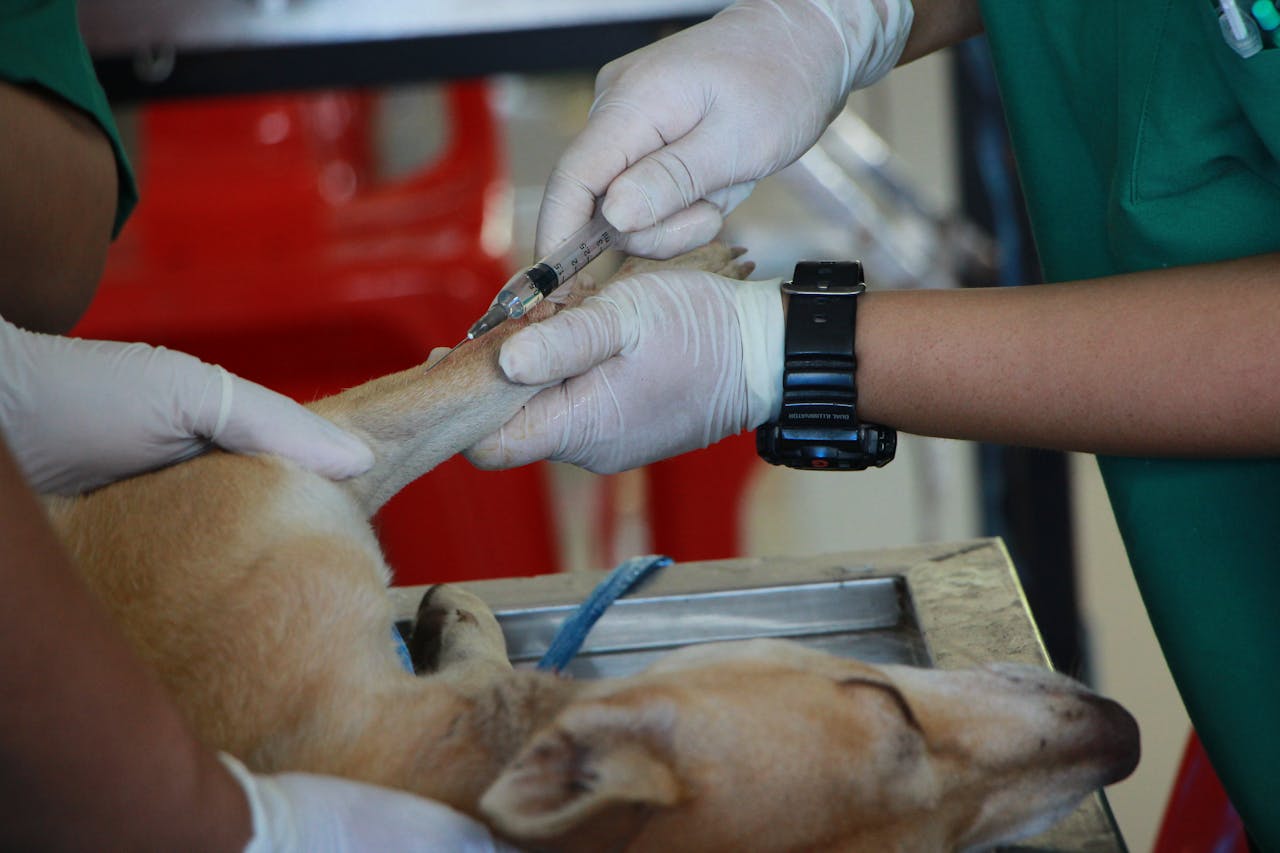
In addition to monthly treatments, certain vaccinations can provide immunity against diseases spread by parasites. For example, the Lyme vaccine is an option for dogs in tick-prevalent areas. Discuss with your veterinarian whether these additional protections are necessary for your pet.
Scheduling Routine Veterinary Visits
A consistent schedule for veterinary visits is crucial for ongoing parasite control. These appointments allow for the administration of preventive treatments and provide an opportunity to discuss any new risks or symptoms observed since the last visit.
Frequency of Visits
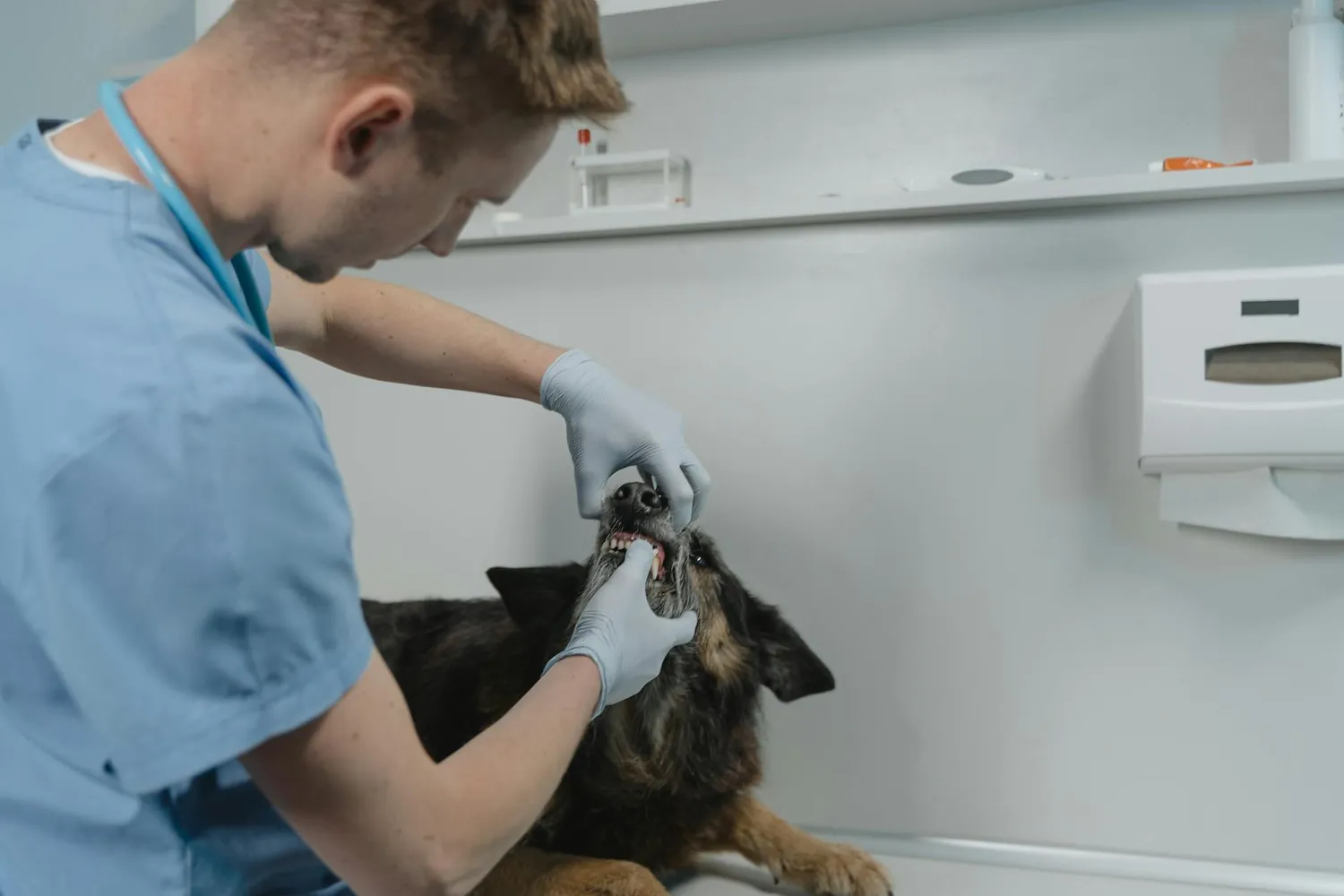
Most veterinarians recommend bi-annual check-ups for healthy adult pets and more frequent visits for young, old, or immunocompromised animals. During these visits, veterinarians can perform fecal exams to check for internal parasites and physical exams to spot signs of flea or tick infestations.
- Puppies and Kittens: Young animals may require monthly visits initially to complete their vaccination series and begin parasite prevention protocols.
- Seniors: Older pets benefit from more frequent monitoring due to their increased vulnerability to infections and health complications.
A Practical Checklist for Pet Owners
Effective parasite control involves a proactive approach that combines regular veterinary care with vigilant at-home management. Here's a practical checklist for pet owners:
- Assess Risk Factors: Identify lifestyle and environmental risks that increase your pet's exposure to parasites.
- Choose Preventive Measures: Work with your veterinarian to select appropriate monthly treatments and vaccinations.
- Monitor Your Pet: Regularly check your pet’s coat and skin for signs of fleas and ticks.
- Maintain a Clean Environment: Keep bedding and living areas clean to reduce flea eggs and larvae.
- Schedule Regular Check-ups: Ensure routine vet visits are part of your pet care regimen to stay ahead of any potential parasite issues.
Conclusion
The role of routine veterinary visits cannot be overstated when it comes to effective parasite control in pets. By assessing risk factors, choosing appropriate preventive measures, and scheduling regular check-ups, pet owners can significantly enhance the health and wellbeing of their furry companions. Consistent care not only prevents discomfort but also protects your pet from serious diseases that can arise from unchecked parasite infestations.