Understanding Canine Arthritis
Arthritis is a common condition affecting many dogs, often manifesting as they age. However, active dogs are also susceptible, and recognizing the signs early can significantly enhance their quality of life. It’s essential to understand what arthritis is and how it impacts your dog.
Arthritis in dogs primarily involves inflammation of the joints, leading to pain and stiffness. As cartilage wears down, bones start to rub against each other, causing discomfort. Common forms of arthritis in dogs include osteoarthritis and rheumatoid arthritis, with osteoarthritis being the most prevalent among aging and active dogs.
Recognizing the Subtle Signs
Identifying arthritis in its early stages can be challenging due to its subtle symptoms, especially in active dogs. Here are some signs that might indicate your dog is experiencing joint discomfort:
1. Reluctance to Climb Stairs or Jump
If your dog hesitates to go up or down stairs or jumps onto furniture less frequently, this could be an early sign of joint pain. Active dogs typically love these activities, so a sudden change could be significant.
2. Decreased Interest in Play
While it's normal for a dog's playfulness to decrease with age, a noticeable reduction in enthusiasm for play can suggest discomfort. This could be due to the pain associated with movement.
3. Limping or Lameness
Limping is often an obvious sign of joint issues. Pay attention if your dog favors one leg over the others or if limping becomes more pronounced after exercise.
4. Changes in Sleeping Patterns
Arthritic pain might cause your dog to have restless nights or change sleeping positions frequently in an attempt to find comfort.
5. Behavioral Changes
An otherwise friendly dog becoming irritable can be a result of discomfort. Observe if your pet starts showing signs of aggression when touched on certain areas.
Practical Steps for Early Detection
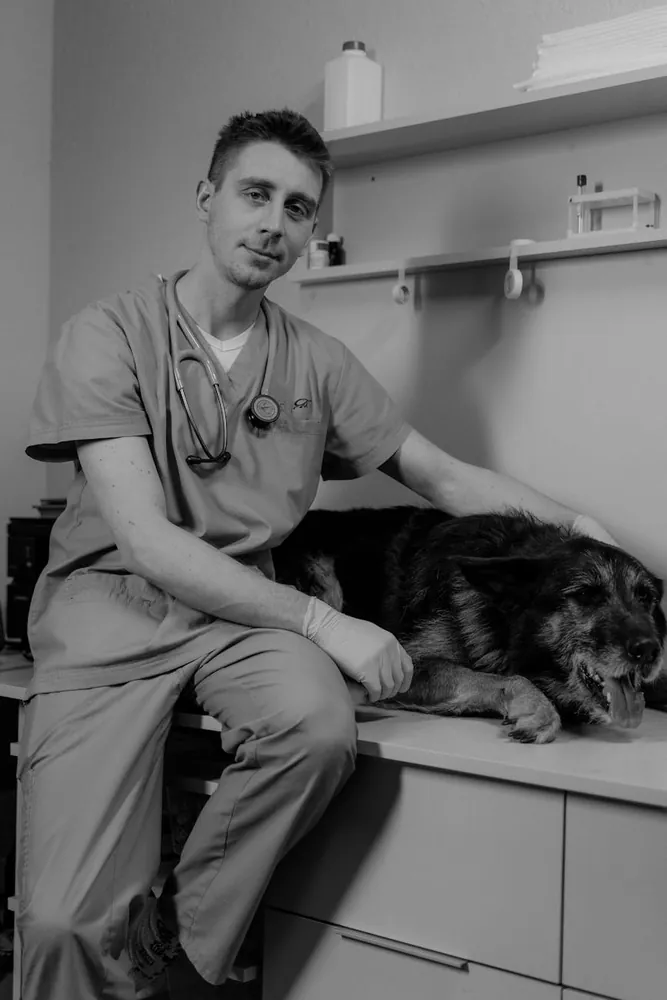
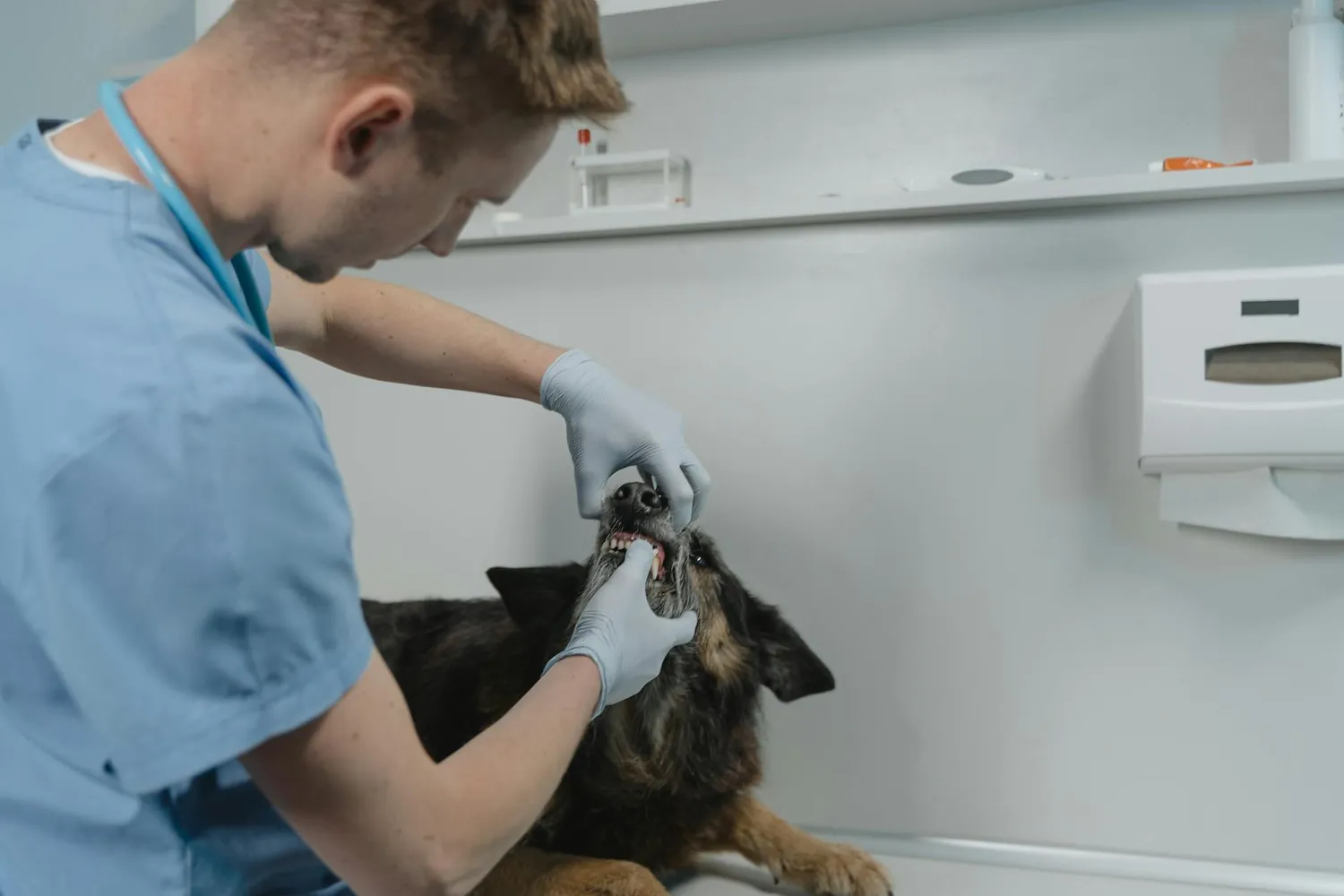
- Regular Veterinary Visits: Schedule regular check-ups to catch any health issues early. Your vet can perform tests to diagnose arthritis.
- Maintain a Health Diary: Keep track of changes in your dog's behavior and physical abilities. Note down anything unusual that could help your vet with diagnosis.
- Observational Walks: Pay close attention during walks for signs like lagging behind, unusual postures, or frequent stopping.
Managing Arthritis in Active Dogs
Once arthritis is detected, there are several management strategies to help keep your dog comfortable and maintain their activity levels:
Dietary Adjustments
A balanced diet plays a crucial role in maintaining a healthy weight, which reduces strain on joints. Consult your vet for specific dietary recommendations that include joint supplements like glucosamine and chondroitin.
Exercise Modifications
While exercise is essential, it should be adjusted to avoid putting unnecessary strain on your dog’s joints. Low-impact exercises like swimming can be beneficial. Establish a routine with controlled movements and avoid abrupt stops and turns.
Pain Management
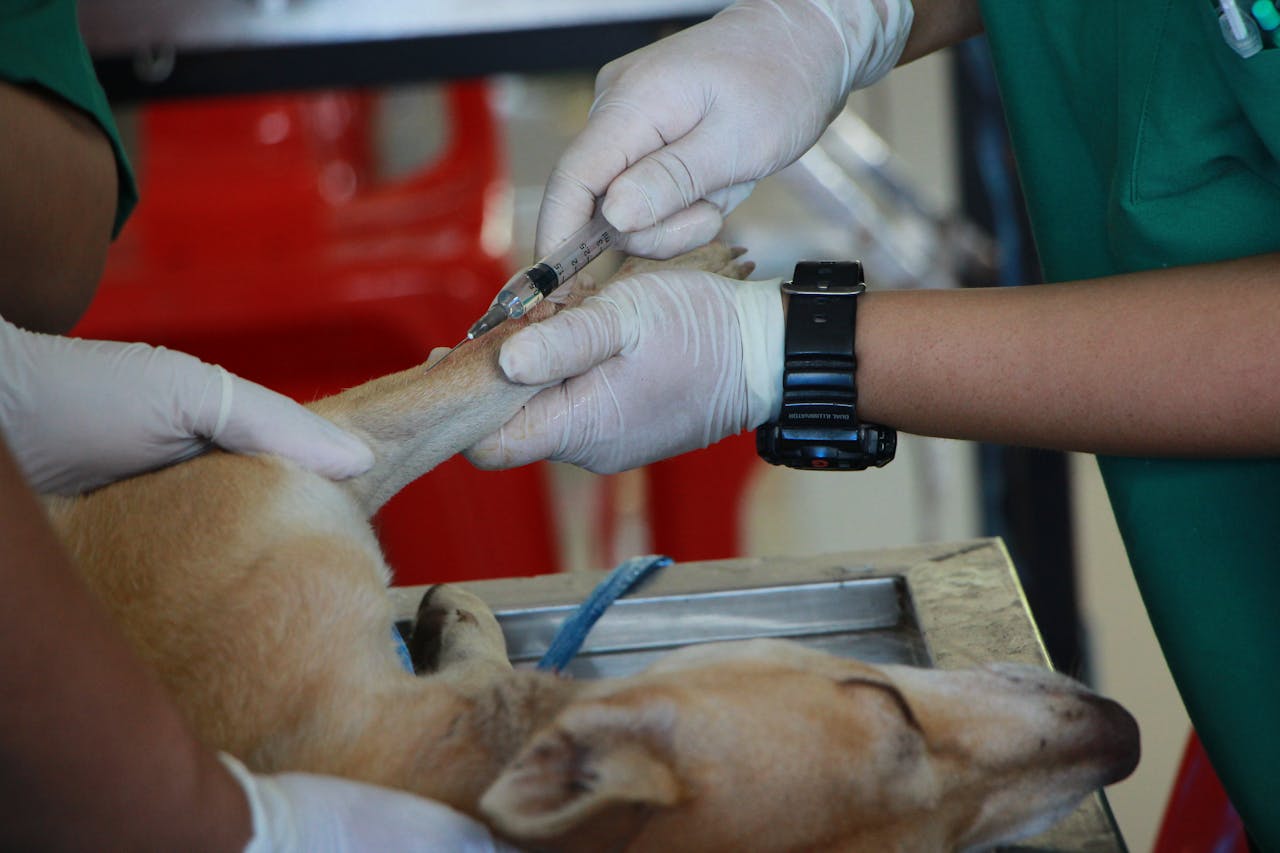
Your veterinarian may prescribe pain relief medications or anti-inflammatory drugs. Natural remedies, like omega-3 fatty acids, might also aid in reducing inflammation.
Creating a Comfortable Environment
- Provide Soft Bedding: Ensure your dog has access to soft, supportive bedding to alleviate pressure on their joints while resting.
- Adjust Living Spaces: Consider ramps instead of stairs and ensure food bowls are at a comfortable height to prevent straining.
The Emotional Impact on Pets and Owners
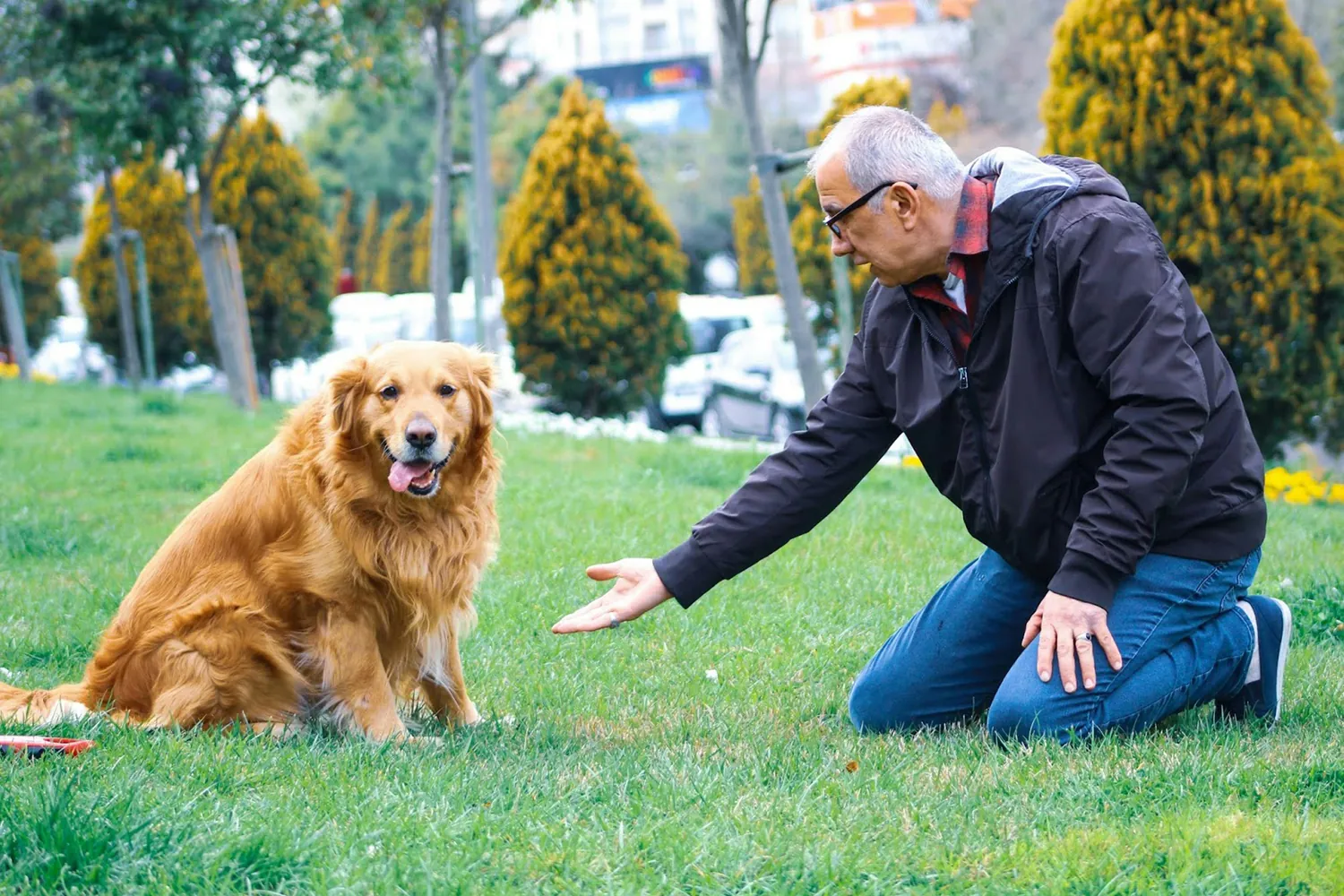
Caring for an arthritic dog can be emotionally taxing for pet owners as well. The key is patience and understanding that your dog’s behavior is due to discomfort rather than disobedience. Providing emotional support through positive reinforcement and affection goes a long way in improving their well-being.
Conclusion: A Proactive Approach
Spotting the early signs of arthritis in dogs requires keen observation and proactive management. By addressing these subtle signs early, you can significantly improve your dog's quality of life, allowing them to remain active and happy companions for years to come. Regular veterinary care, alongside careful monitoring at home, ensures that you're well-prepared to manage arthritis effectively.