
Understanding Canine Oral Health
Just like humans, dogs require regular oral care to maintain optimal health. Dental disease is one of the most common medical conditions seen by veterinarians. Without proper attention, poor oral hygiene in dogs can lead to severe health issues that extend beyond the mouth.
The Link Between Oral Hygiene and General Health
Oral bacteria and plaque can enter a dog’s bloodstream, affecting organs such as the heart, liver, and kidneys. This condition, known as periodontal disease, can cause significant discomfort and lead to systemic diseases if left untreated.
Recognizing Early Symptoms of Dental Disease
Spotting dental disease early can prevent further health complications. Pet owners should be vigilant for these initial signs:
- Bad Breath: Often dismissed as normal, persistent bad breath is a key indicator of oral health issues.
- Red or Swollen Gums: Inflammation in the gums suggests gingivitis, which can progress to more serious periodontal disease.
- Changes in Eating Habits: Dogs with sore mouths may drop food or eat less due to discomfort.
- Pawing at the Mouth: This behavior might indicate pain or discomfort in the oral cavity.
The Consequences of Ignoring Oral Hygiene
If dental issues are not addressed, your dog might experience severe health problems. Advanced periodontal disease can cause tooth loss and severe pain, ultimately leading to infections that could affect vital organs.
Checklist for Regular Dental Care
To prevent dental disease, establish a comprehensive oral care routine. Here’s a checklist to guide you:
- Regular Brushing: Aim to brush your dog’s teeth daily with a pet-safe toothpaste. Introduce this gradually to make your pet comfortable.
- Dental Chews: Provide treats designed to reduce plaque and tartar buildup. Choose ones approved by veterinary professionals.
- Specialized Diet: Consider diets formulated to promote oral health, often featuring kibble that scrapes away plaque.
- Toys for Dental Health: Durable rubber toys can help clean teeth naturally while your dog plays.
Scheduling Routine Vet Visits
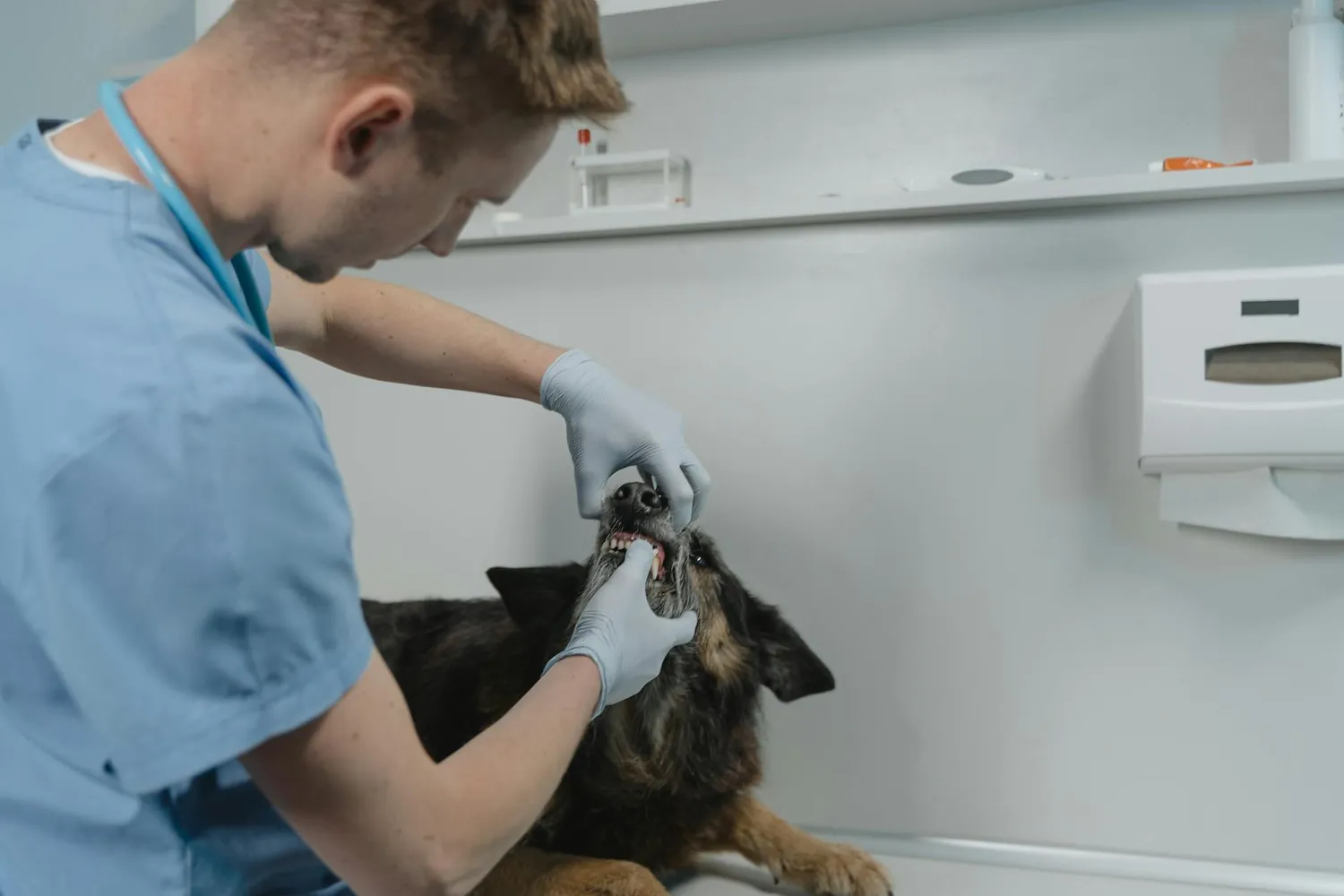
Annual veterinary check-ups should include an oral examination. Veterinarians can spot early signs of dental disease and recommend professional cleaning if necessary. Some breeds are more prone to dental issues and may require more frequent check-ups.
A Framework for Implementing Dental Care at Home
Follow this mini-framework to incorporate effective dental care into your routine:
- Educate Yourself: Learn about your dog’s specific needs based on breed and age. Consult with your vet to understand potential risks and tailor a plan accordingly.
- Create a Schedule: Plan regular activities like brushing, distributing dental chews, and play sessions with dental toys.
- Use Visual Cues: Keep the dental care supplies visible in places where you handle your dog’s grooming tasks, acting as reminders.
- Track Progress: Maintain a log of brushing frequency, observed symptoms, and vet visits to ensure consistency.
The Role of Nutrition in Oral Health
A balanced diet plays a critical role in maintaining good oral health. Foods rich in nutrients can boost the immune system, helping combat gum infections. Veterinary-recommended diets specifically for oral health can also be beneficial.
Conclusion
Maintaining your dog’s oral hygiene is crucial not only for their dental health but also for their overall well-being. By staying vigilant and proactive with dental care routines, pet owners can significantly improve their dogs’ quality of life, preventing both discomfort and serious systemic health issues. Regular check-ups, combined with consistent home care practices, form the foundation of effective preventive care in canine oral health.