
Understanding Traditional Vaccines for Pets
Vaccinations have long been the cornerstone of preventive healthcare for pets. Administered to bolster the immune system, vaccines help protect animals against various infectious diseases. In many cases, these diseases can be severe or even fatal, so vaccines are often considered essential to pet health.
The Mechanism Behind Vaccines
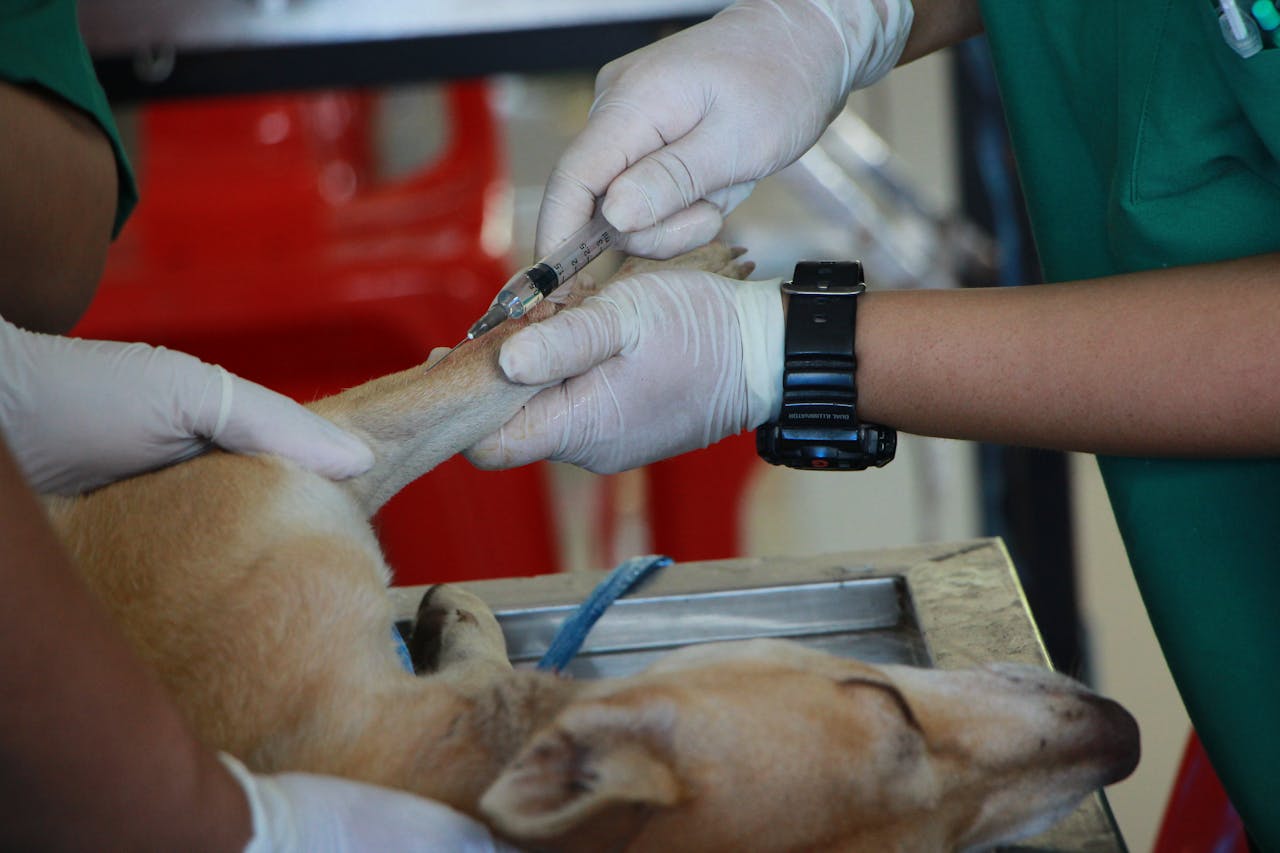
Vaccines work by introducing a harmless form of a pathogen into the body, prompting an immune response without causing the disease. This process trains the immune system to recognize and combat the real pathogen should it appear in the future. Common vaccines for pets include those against rabies, distemper, parvovirus, and feline leukemia virus.
- Core vaccines: These are recommended for all pets regardless of lifestyle. Examples include canine distemper and feline panleukopenia.
- Non-core vaccines: Administered based on a pet's risk factors such as location and lifestyle, like the Lyme disease vaccine.
Benefits of Traditional Vaccination
The benefits of traditional vaccination protocols are numerous:
- Proven effectiveness: Vaccines have a long history of successfully controlling infectious diseases in pets.
- Community protection: Widespread vaccination can lead to herd immunity, reducing disease spread in the community.
- Regulatory compliance: Some vaccines, like rabies, are legally required in many jurisdictions.
The Rise of Titer Tests
Titer tests have emerged as a complementary tool in assessing a pet's immune status. Instead of administering vaccines based solely on schedule, titer tests measure the level of specific antibodies in a pet's blood to determine immunity.
How Titer Testing Works
Titer tests involve a simple blood draw from your pet. The sample is analyzed to detect and quantify antibodies against specific diseases, indicating whether your pet has adequate immunity without additional vaccination. This approach is gaining popularity as it can tailor preventive care to individual pets.
Advantages of Titer Testing
Titer testing offers several advantages that make it an appealing option for some pet owners:
- Avoiding over-vaccination: Reduces unnecessary vaccine administration, which can be beneficial for pets with adverse vaccine reactions.
- Cost-effective: While individual titer tests can be costly, they might reduce overall expenses by eliminating needless vaccinations.
- Custom care: Provides a personalized approach, ensuring each pet receives only the necessary vaccines based on their unique immunity levels.
Comparative Analysis: Vaccines vs. Titer Tests
The decision between traditional vaccination and titer testing involves weighing various factors to suit your pet's needs.
Factors to Consider
- Health History: If your pet has experienced adverse reactions to vaccines in the past, titer testing might be a safer option.
- Lifestyle and Exposure Risk: Pets frequently in contact with other animals or traveling may require strict adherence to vaccine schedules for optimal protection.
- Legal Requirements: Certain vaccines are mandated by law, and titer testing may not satisfy legal requirements even if immunity is confirmed.
Case Studies
To illustrate how different approaches may benefit pets, consider the following examples:
Case Study 1: A senior dog with a history of vaccine sensitivity could benefit from titer testing to ensure protection without overstressing its system.
Case Study 2: An active outdoor cat regularly exposed to other cats may benefit from maintaining a full vaccination schedule despite favorable titer results to guard against unexpected exposure risks.
A Mini-Framework for Decision-Making
This framework can help you navigate preventive care choices tailored to your pet's needs:
- Consult Your Veterinarian: Begin by discussing your pet's health history, lifestyle, and risk factors with a veterinarian.
- Assess Legal Requirements: Check local regulations regarding mandatory vaccinations, ensuring compliance while exploring titer tests where applicable.
- Titer Test Consideration: Consider periodic titer testing for pets with known vaccine sensitivities or those receiving non-core vaccines infrequently.
- Monitor Health and Lifestyle Changes: Stay attentive to any changes in your pet's environment or health that could affect their immunity or exposure risk.
Conclusion: Making Informed Choices
Navigating the options of traditional vaccination versus titer testing requires a balance of scientific knowledge, practicality, and personal values concerning your pet’s well-being. Consulting with veterinary professionals and considering your pet's unique circumstances ensures that you make informed decisions that prioritize both health and safety. By doing so, you take active steps toward optimizing preventive care tailored specifically to your beloved companion.