The Importance of Regular Veterinary Check-Ups
Ensuring that your pet receives regular veterinary check-ups is one of the most effective ways to promote a long and healthy life. Annual check-ups are not merely routine; they are critical touchpoints that can help identify potential health issues before they become severe, ultimately enhancing the quality and longevity of your pet's life.
Data suggests that pets receiving consistent veterinary care can have their lifespan increased by up to 20%. This statistic alone underscores the value of making these appointments a priority in your pet's healthcare regime.
Frequency of Veterinary Visits Based on Age and Breed
The frequency of veterinary visits can vary depending on factors such as your pet’s age, breed, and specific health needs. While a baseline recommendation is an annual check-up, certain circumstances may necessitate more frequent visits.
Puppies and Kittens
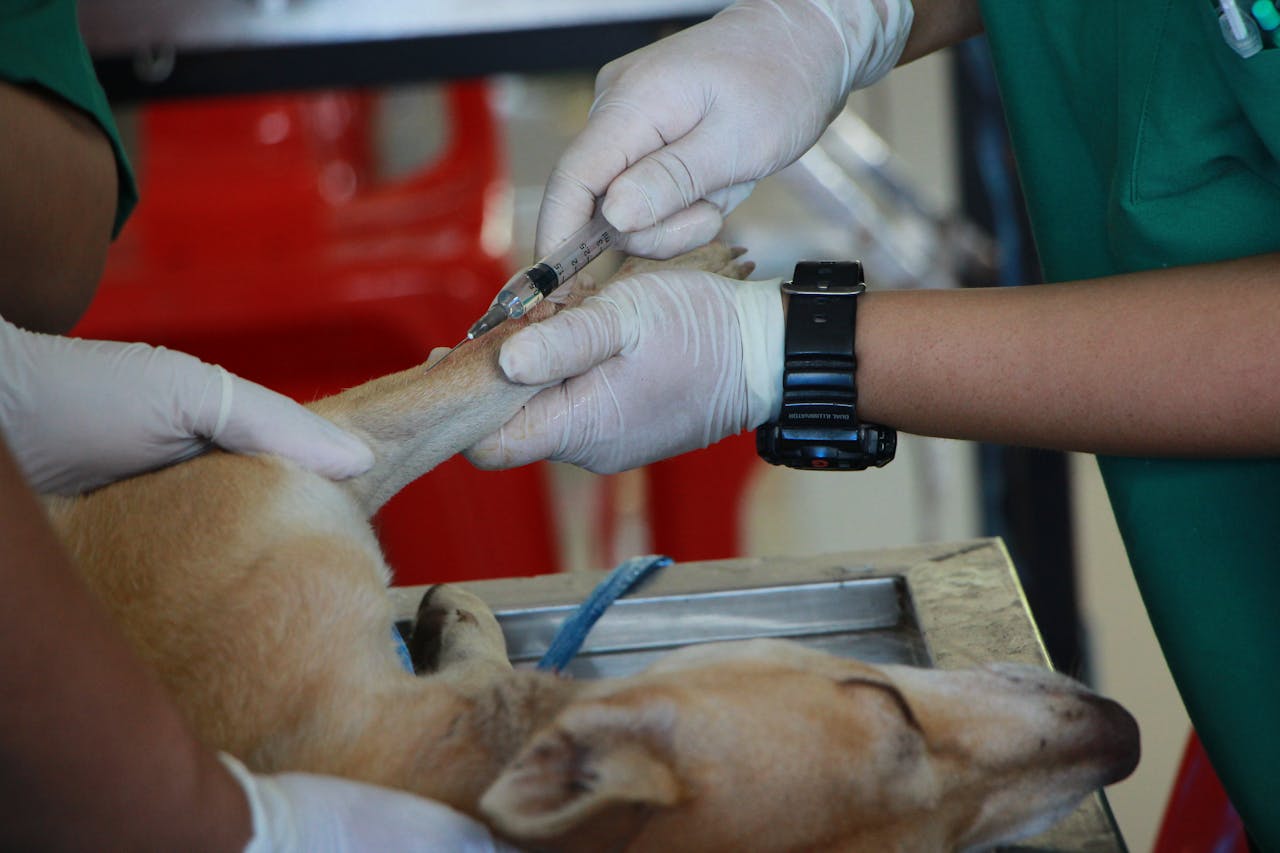
Puppies and kittens require more frequent visits during their first year. Typically, they should see a veterinarian every three to four weeks until they are about four months old. These visits are crucial for vaccinations, deworming, and monitoring growth and development.
Adult Pets
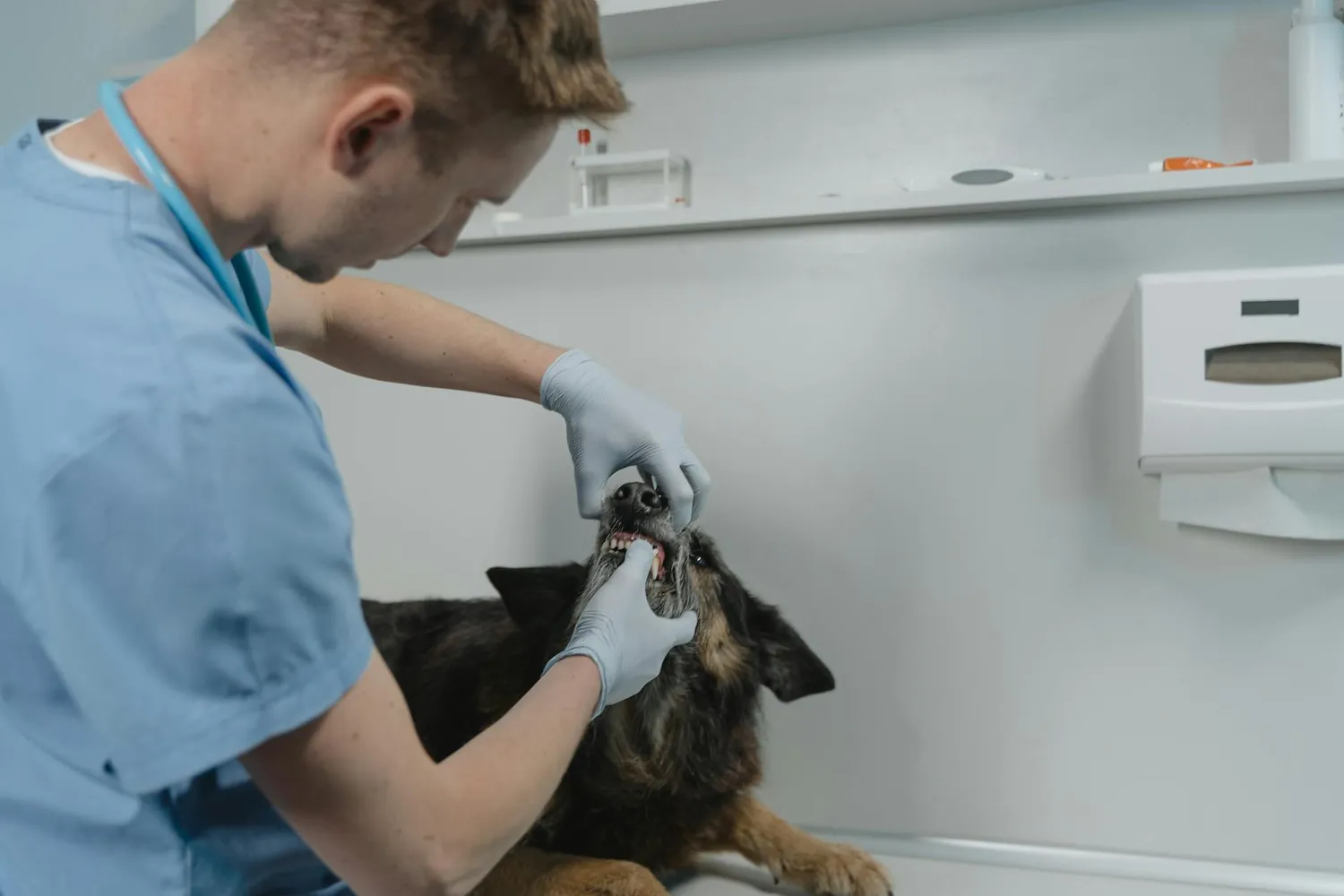
For healthy adult dogs and cats, an annual visit is generally sufficient. This appointment should include a thorough physical exam, vaccinations, dental check-up, and possibly blood tests to detect underlying issues not visible externally.
Senior Pets
Seniors may need to see the vet more often, typically every six months. As pets age, they become more susceptible to conditions like arthritis, diabetes, and kidney disease. More frequent monitoring can help manage these conditions effectively.
The Role of Veterinarians in Early Disease Detection
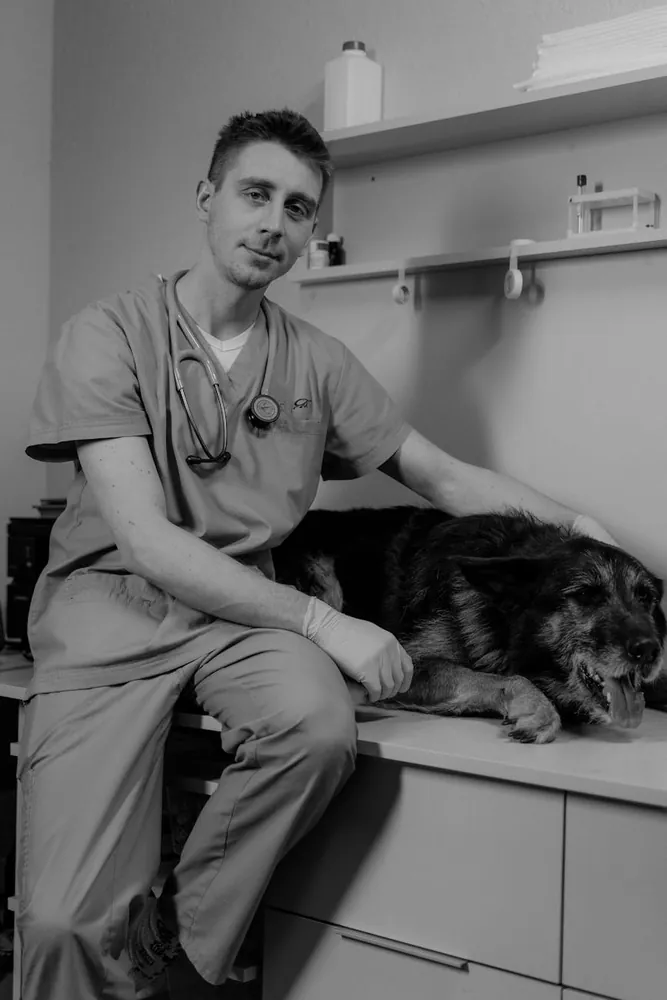
One of the most vital roles veterinarians play during check-ups is the early detection of diseases. Conditions such as heart disease, diabetes, or cancer often present subtle signs that can be difficult for pet owners to notice but are recognizable by professionals.
- Heart Disease: A routine auscultation can reveal heart murmurs or arrhythmias.
- Diabetes: Blood tests can detect glucose levels that may indicate diabetes.
- Cancer: Physical examinations can identify lumps or abnormalities that warrant further investigation.
By catching these conditions early, treatment can begin sooner, significantly improving prognosis and quality of life.
Benefits Beyond Disease Detection
Annual veterinary check-ups provide a host of benefits beyond early disease detection. They are an opportunity to assess your pet's overall health and address any behavioral or dietary concerns you might have.
Nutritional Advice
As pets age, their dietary needs change. Your vet can offer advice on proper nutrition tailored to your pet’s age, breed, and health status. For example, large breed dogs might require different nutrient balances compared to smaller breeds.
Parasite Control
Your veterinarian will ensure your pet is protected against parasites such as fleas, ticks, and worms. Effective parasite control is a crucial component of preventive care, safeguarding your pet's health and well-being.
The Psychological Benefits of Regular Check-Ups
Beyond physical health, regular veterinary visits also contribute positively to your pet’s psychological well-being. Pets that are used to visiting the vet from an early age often experience less anxiety during these visits as adults. This familiarity makes it easier to diagnose and treat any issues promptly and reduces stress for both pet and owner.
Tailoring Preventive Care: Practical Tips
Preventive care should be individualized based on your pet's unique needs. Here are some practical tips:
- Keep a Health Diary: Record any changes in behavior or habits between vet visits.
- Vaccination Schedule: Ensure all vaccinations are up-to-date based on your vet’s recommendations.
- Dental Care: Practice regular dental hygiene at home to complement professional cleanings.
A proactive approach to your pet’s health can avert many common diseases and improve their quality of life significantly.
The Investment in Preventive Care Pays Off
The cost of an annual veterinary check-up can be a financial consideration; however, it is an investment in your pet's future. Early detection often means simpler and less costly treatments compared to managing advanced illnesses. Preventive care saves money in the long run by reducing the risk of expensive emergency treatments and prolonged care associated with neglected health issues.
Moreover, keeping your pet healthy means fewer days missed from work due to taking care of a sick animal and more joyous years spent together.
Conclusion: A Commitment to Longevity
Annual veterinary check-ups are far more than a box-ticking exercise; they represent a commitment to giving your pet the healthiest life possible. By prioritizing these visits, you equip yourself with the knowledge needed to make informed decisions about your pet’s health and well-being. Ultimately, this diligence not only enhances their longevity but also deepens the bond shared with your beloved animal companion.