
Understanding Heartworm in Dogs
Heartworm is a serious and potentially fatal disease in dogs caused by Dirofilaria immitis, a parasitic worm. These parasites are spread through the bites of infected mosquitoes and can lead to severe lung disease, heart failure, organ damage, and even death. Understanding heartworm's lifecycle is crucial in preventing infection in your dog.
Step 1: Regular Vet Check-Ups
The Importance of Regular Testing
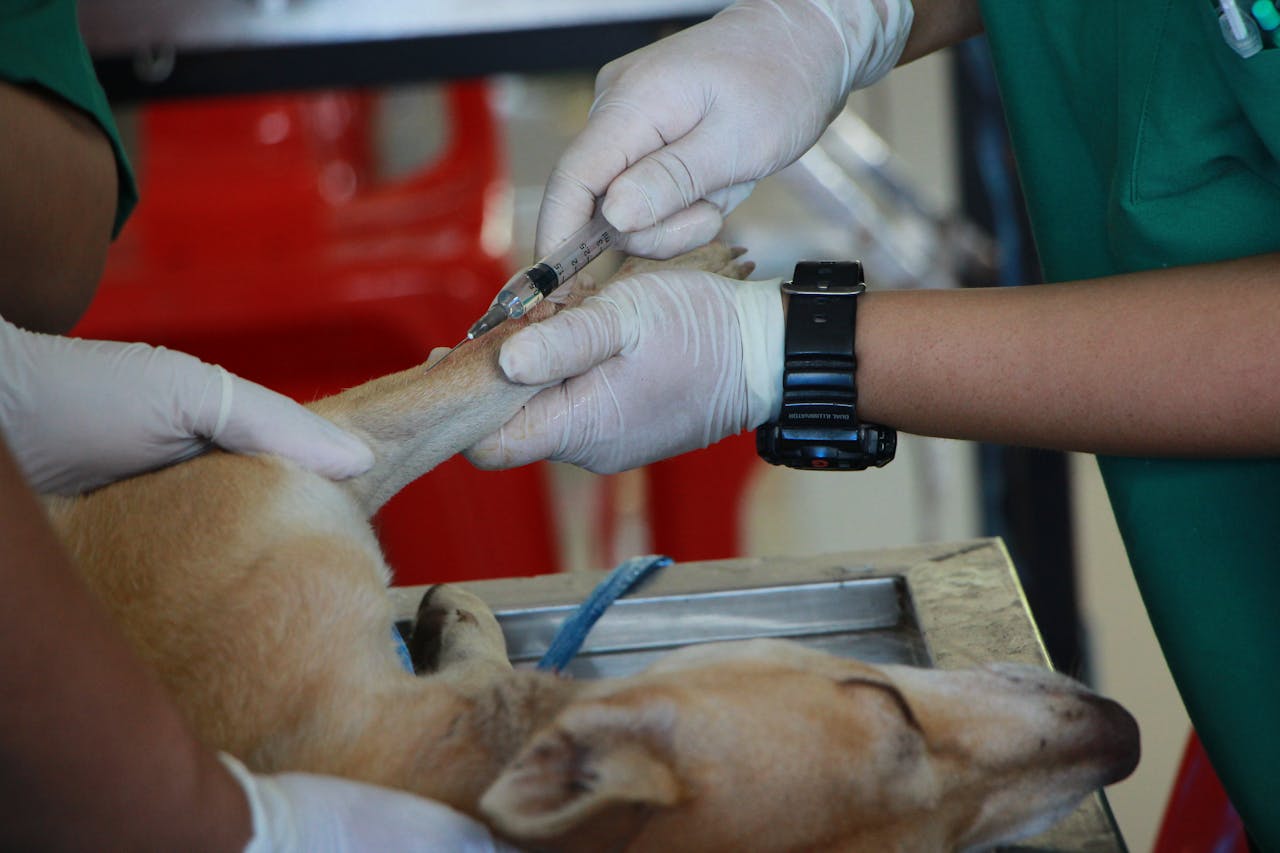
Regular vet check-ups are the cornerstone of heartworm prevention. Heartworm tests are typically recommended annually to ensure early detection. These tests involve taking a small blood sample to check for heartworm antigens or microfilariae. Early detection allows for more effective treatment before the worms mature and cause irreversible damage.
What to Expect During a Check-Up
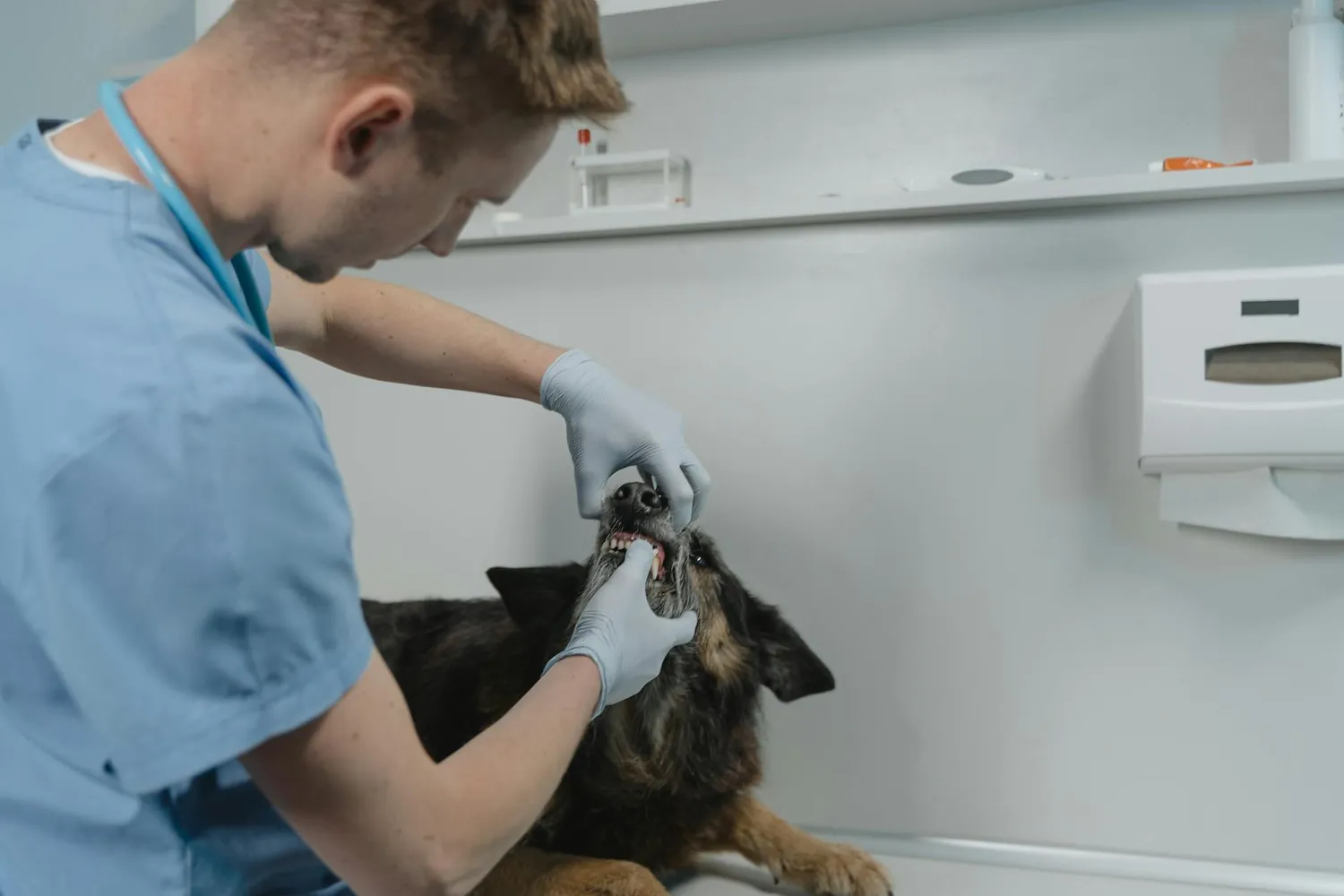
During a typical vet visit for heartworm screening, your veterinarian will perform a comprehensive examination of your dog. They will assess your pet's overall health, inquire about any symptoms, and conduct blood tests. This regular monitoring not only helps in detecting heartworms but also other potential health issues.
- Annual blood test for heartworm antigens
- Physical examination for overall health assessment
- Discussion of lifestyle and environmental risk factors
When to Schedule Visits
The ideal schedule for vet visits may vary based on your dog’s age, health, and geographical location. Puppies generally require more frequent check-ups, while adult dogs should be tested annually. Dogs in high-risk areas may need more frequent testing or additional preventive measures.
Step 2: Monthly Preventative Medication
Choosing the Right Medication
Monthly heartworm preventatives are critical in protecting your dog from infection. These medications work by killing larvae deposited by mosquitoes before they mature into adult worms. Options include oral tablets, topical applications, and injectable preventives.
- Oral Medications: Products like Heartgard or Sentinel are taken monthly and offer protection against heartworms as well as other parasites such as fleas and intestinal worms.
- Topical Treatments: These are applied directly to the skin and can repel mosquitoes as well as treat other parasites. Revolution and Advantage Multi are common examples.
- Injectables: ProHeart injections provide long-term protection (6-12 months) but require a veterinary visit for administration.
Pros and Cons of Each Type
The choice between oral, topical, or injectable medication depends on various factors including your dog’s lifestyle, health conditions, and any allergies or sensitivities.
- Oral Tablets: Easy to administer as they can be hidden in treats. However, some dogs may refuse pills or have dietary restrictions.
- Topical Solutions: Suitable for dogs who might not tolerate oral medications but could cause skin irritation in sensitive animals.
- Injectables: Provides long-lasting protection without monthly dosing, but requires veterinary visits and can be more expensive upfront.
Your veterinarian can help determine which option is most suitable for your dog based on their specific needs and your lifestyle.
Step 3: Reducing Exposure to Mosquitoes
Mosquito Control Strategies
Since mosquitoes are the vector for heartworms, minimizing your dog’s exposure to these pests is vital. There are several strategies you can implement to reduce mosquito presence around your home:
- Environmental Management: Eliminate standing water where mosquitoes breed, such as clogged gutters or unused flower pots.
- Lawn Maintenance: Keep grass short and bushes trimmed to reduce resting spots for mosquitoes.
- Outdoor Barriers: Use screens on windows and doors to keep mosquitoes out of the house. Consider using mosquito repellents safe for dogs when outdoors.
Lifestyle Adjustments
Your dog's routine can also be adjusted to lower their risk of mosquito bites:
- Avoid walking your dog during peak mosquito activity times (dusk and dawn).
- If your yard permits, create screened outdoor play areas.
- Use fans when sitting outside to deter mosquitoes with airflow.
Additional Tips for High-Risk Areas
If you live in an area with a high incidence of heartworm, consider additional preventive measures such as:
- Year-round prevention instead of seasonal treatments.
- More frequent vet check-ups and screenings during peak mosquito seasons.
A proactive approach involving all three steps will significantly enhance your dog’s safety against heartworms. By ensuring regular vet visits, maintaining a strict medication schedule, and reducing mosquito exposure, you can protect your beloved pet from this dangerous disease effectively.