The Rise of Acupuncture in Veterinary Care
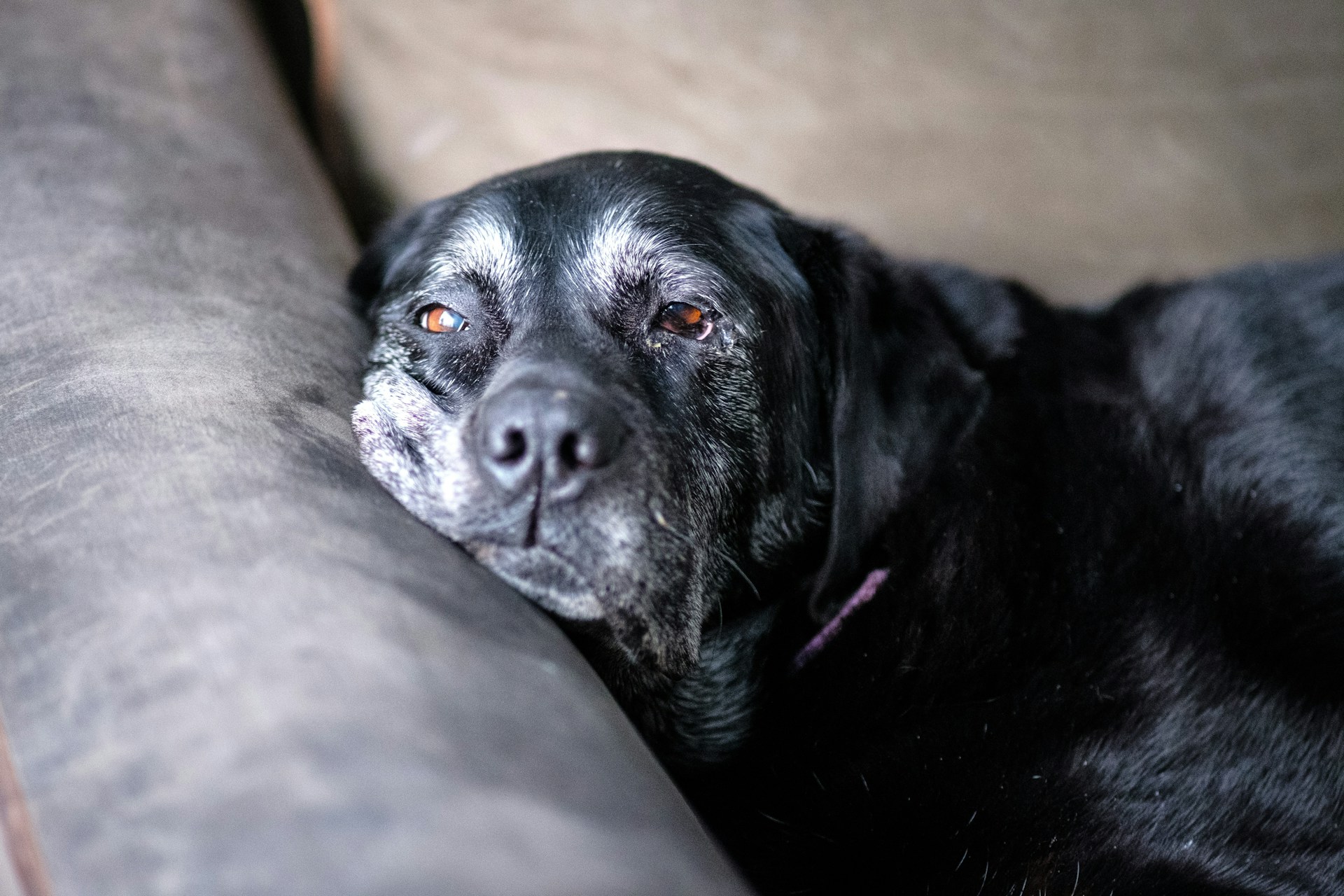
Acupuncture, a key component of Traditional Chinese Medicine (TCM), has been making waves in the realm of veterinary care, particularly for senior dogs. As our canine companions age, they often face challenges such as arthritis, hip dysplasia, and other degenerative conditions that affect their mobility and overall comfort. While traditional veterinary treatments can be effective, many pet owners are seeking complementary therapies to enhance their dogs' quality of life.
Acupuncture involves the insertion of thin needles into specific points on the body to stimulate nerves, increase blood circulation, and release pain-relieving hormones. This practice, which has been used in human medicine for thousands of years, is now being adapted to benefit our four-legged friends.
Understanding Acupuncture's Mechanism in Dogs
Before delving into case studies, it’s important to understand how acupuncture works in dogs. When needles are inserted into an acupuncture point, they stimulate sensory nerves that send signals to the central nervous system. This results in the release of natural painkillers like endorphins and serotonin, which can significantly reduce pain and inflammation.
Benefits of Acupuncture for Senior Dogs:
- Pain Relief: Effective in reducing chronic pain associated with arthritis and other joint disorders.
- Improved Mobility: Increased blood flow and nerve stimulation help maintain or improve joint flexibility and strength.
- Enhanced Well-being: Reduction in stress and anxiety due to the calming effects of the treatment.
When to Consider Acupuncture for Your Aging Dog
Acupuncture may be suitable for your dog if traditional medications are not providing sufficient relief or if you wish to reduce reliance on pharmaceuticals. It’s also a viable option for dogs who cannot tolerate certain medications due to side effects or existing health conditions.
Case Study Analysis: Real-Life Examples
Case Study 1: Max - A Labrador with Arthritis
Max, a 12-year-old Labrador Retriever, had been suffering from severe arthritis for several years. Despite being on anti-inflammatory medications, his owner noticed that his condition was not improving significantly, and he had difficulty climbing stairs and enjoying his daily walks.
After consulting with a veterinary acupuncturist, Max started receiving weekly acupuncture sessions. Within a month, there was noticeable improvement in his mobility and a reduction in his pain levels. His owner observed that Max could climb stairs more easily and even started playing fetch again—something he hadn't done in over a year.
This case illustrates how acupuncture can serve as an effective adjunctive therapy to traditional medication, improving both mobility and quality of life.
Case Study 2: Bella - A Cocker Spaniel with Hip Dysplasia
Bella, a 10-year-old Cocker Spaniel, was diagnosed with hip dysplasia at age eight. Her condition led to stiffness and difficulty walking. Her owner was hesitant to increase her dosage of pain medication due to potential side effects.
Acupuncture was introduced as an alternative approach. Bella received treatments every two weeks initially, which were later spaced out as her symptoms improved. Not only did her gait improve, but she also appeared happier and more energetic.
Bella's case highlights how acupuncture can be used effectively for managing chronic conditions like hip dysplasia, reducing reliance on medications while enhancing overall comfort and energy levels.
Case Study 3: Rocky - A Mixed Breed with Spinal Issues
Rocky, a mixed-breed dog aged 11 years, suffered from spinal issues that affected his back legs, causing weakness and partial paralysis. His family sought acupuncture as a last resort after conventional treatments had limited success.
Undergoing acupuncture weekly for several months resulted in remarkable changes. The sensation began to return to his back legs, and he started regaining strength and stability. Though not completely cured, Rocky's improvement allowed him more freedom of movement and less pain during daily activities.
This case serves as an example of acupuncture's potential benefits in complex neurological cases where conventional therapies might fall short.
Integrating Acupuncture with Conventional Veterinary Treatments
For many pet owners, the idea of integrating acupuncture with traditional veterinary care is appealing. It offers a holistic approach that addresses not just physical symptoms but also enhances mental well-being. However, it's crucial to have realistic expectations and understand that acupuncture is not a cure-all but rather a complementary therapy that can be used alongside other treatments.
Tips for Pet Owners Considering Acupuncture
- Consult with Your Veterinarian: Always discuss with your vet before starting acupuncture to ensure it's appropriate for your dog's specific condition.
- Find a Qualified Practitioner: Ensure that the practitioner is certified by a recognized veterinary acupuncture organization.
- Be Patient: Results may take several sessions to become apparent; commitment is key.
The Pros and Cons of Acupuncture for Dogs
While acupuncture presents numerous benefits, it's also important to weigh its pros and cons:
- Pros:
- Non-invasive with minimal risk of side effects compared to medication.
- Can complement other treatments effectively.
- Addresses both physical pain and emotional stress.
- Cons:
- Treatment costs can add up over time.
- Not all dogs respond positively; individual results can vary.
- The necessity for regular sessions could be challenging for busy pet owners.
Conclusion
The case studies presented demonstrate the potential positive impact of acupuncture on senior dogs dealing with various health issues. While it may not be suitable for every dog or condition, acupuncture offers a promising alternative or complementary therapy that can significantly enhance an aging dog's quality of life. By alleviating pain and improving mobility, acupuncture helps senior pets enjoy their golden years with greater comfort and vitality.