Understanding the Needs of Senior Dogs
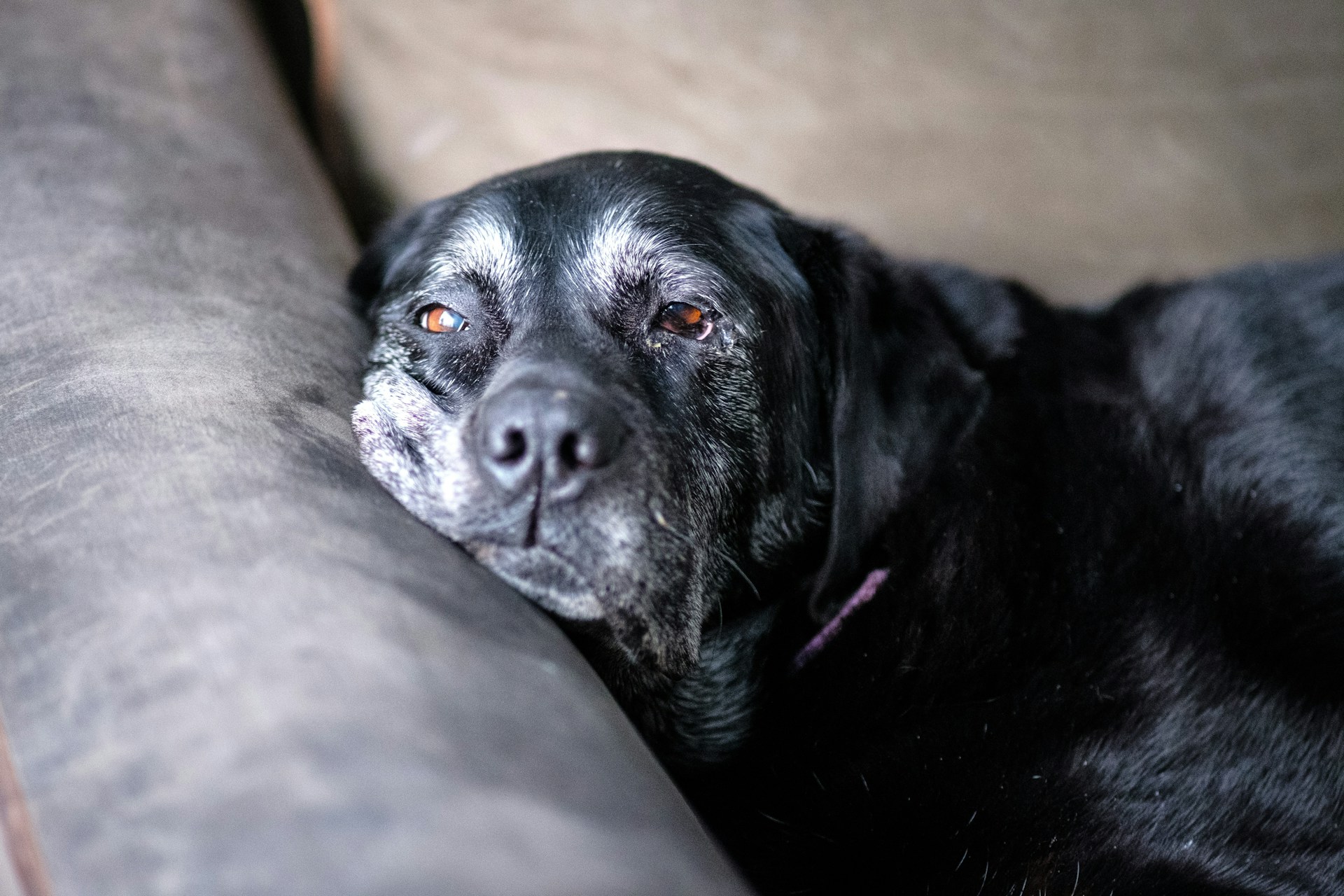
Aging in dogs, much like in humans, brings about changes that can affect mobility and overall well-being. As a dog enters its senior years, typically around age seven for larger breeds and ten for smaller ones, their energy levels and physical capabilities may decrease. However, keeping them active with appropriate exercises can significantly enhance their mobility and comfort.
Before beginning any exercise regimen, it’s crucial to consult with your veterinarian. They can provide insights specific to your dog’s health conditions, such as arthritis or hip dysplasia, which can influence exercise choices.
The Importance of Low-Impact Exercises
Low-impact exercises are designed to minimize stress on a dog’s joints while promoting muscle strength and cardiovascular health. These activities can also reduce the risk of injury compared to high-impact exercises, which are often unsuitable for senior dogs.
- Joint-Friendly: These exercises prioritize minimizing strain on joints, crucial for dogs with arthritis.
- Muscle Maintenance: Regular low-impact exercise helps maintain muscle mass, supporting joint stability.
- Improved Circulation: Keeping blood flowing effectively supports overall health and aids in pain management.
Daily Low-Impact Exercise Ideas
1. Walking
Description: Walking is one of the simplest and most effective ways to keep a senior dog active. Tailor the pace and distance according to your dog's abilities, starting with short walks and gradually increasing the length.
Benefits: Enhances cardiovascular health, stimulates mental activity through new sights and smells, and strengthens muscles with minimal joint stress.
2. Water Therapy
Description: Also known as hydrotherapy, this exercise involves swimming or walking in water, which reduces weight-bearing stress on joints. Many veterinary clinics offer hydrotherapy services.
Pros:
- Weight Support: Water buoyancy supports the body weight, minimizing joint pressure.
- Full-body Workout: Engages multiple muscle groups simultaneously.
Cons:
- Availability: Requires access to a pool or hydrotherapy facility.
- Cost: Professional hydrotherapy sessions can be expensive.
3. Indoor Exercises
For those days when outdoor conditions aren’t favorable, indoor exercises can provide a valuable alternative.
Examples:
- Treat Puzzles: Engage your dog’s mind and encourage gentle movement as they nudge puzzles to reveal treats.
- Scent Games: Hide treats around the house for your dog to find, stimulating their sense of smell and encouraging movement.
4. Obstacle Courses
Create a simple obstacle course in your backyard or home using everyday objects like cushions or soft boxes. Encourage your dog to navigate these obstacles at their own pace.
Pros:
- Cognitive Engagement: Improves mental sharpness as they learn to navigate different obstacles.
- Customizable: Easily adjusted to match your dog’s physical limitations and gradually increased as they improve.
5. Gentle Tug-of-War
A soft tug toy can provide an excellent way for dogs to use their muscles without excessive strain on joints. Ensure the activity remains gentle and does not become overly vigorous.
Factors to Consider When Exercising Senior Dogs
While low-impact exercises are beneficial, they need to be tailored to each dog's individual health status and comfort level. Here are some essential factors to consider:
- Pain Levels: Monitor for signs of discomfort or pain during and after exercise sessions. Adjust activities accordingly.
- Temperature Sensitivity: Older dogs may be more sensitive to temperature extremes. Opt for early morning or late evening walks in hot weather and consider indoor exercises during cold spells.
- Nutritional Support: Ensure your dog's diet supports their activity level and maintains healthy weight management.
The Role of Consistency and Monitoring
Consistency is key in helping senior dogs maintain mobility. Establish a regular schedule for exercise that suits both you and your pet’s lifestyle. Start slowly and build up based on your dog's response to the exercises.
Your observations are invaluable in this process. Keep an eye on how your dog responds post-exercise—look for signs such as limping, reluctance to move, or excessive tiredness. Use these observations to adjust the intensity or type of exercise accordingly.
Conclusion: Enhancing Your Dog's Quality of Life
Caring for a senior dog requires adapting to their changing needs, particularly when it comes to maintaining mobility through low-impact exercises. By choosing the right activities tailored to their capabilities and ensuring consistency, you can help enhance their quality of life, promote comfort, and possibly extend their active years.