
Understanding Obesity in Senior Dogs
Obesity in senior dogs is a growing concern as it can significantly affect their quality of life. Just like in humans, excess weight in dogs can lead to a myriad of health issues such as arthritis, diabetes, and decreased lifespan. Recognizing the signs early and implementing effective dietary changes is crucial.
Identifying the Causes
The causes of obesity in senior dogs are often multifaceted. As dogs age, their metabolism slows down, and they become less active. This natural progression can contribute to weight gain if their diet is not adjusted accordingly. Additionally, underlying health issues, such as hypothyroidism or Cushing's disease, can exacerbate weight problems.
Effective Dietary Strategies for Weight Management
Managing the diet of a senior dog requires careful attention to both quantity and quality. Here, we'll explore several effective strategies for feeding senior dogs facing obesity.
Choosing the Right Food
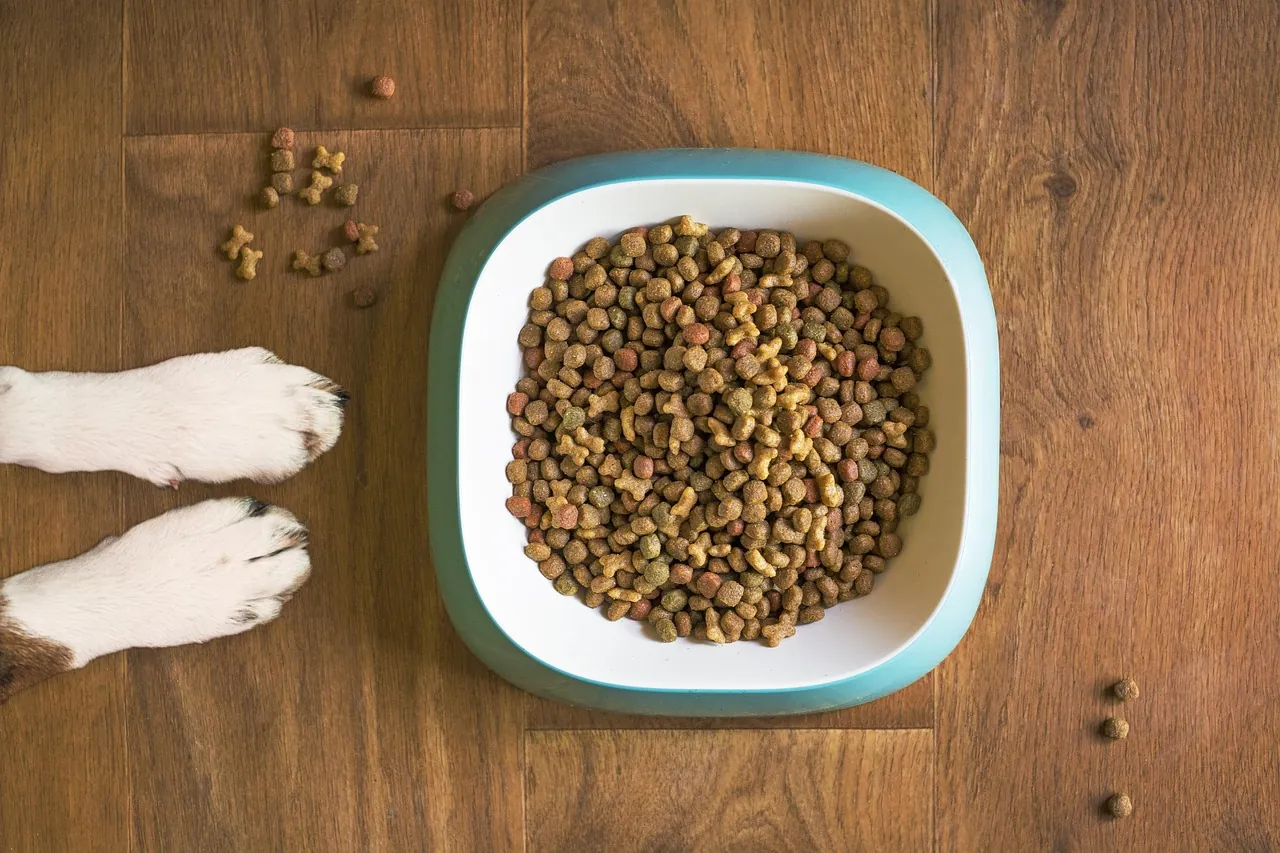
Selecting appropriate food for a senior dog is essential. Look for foods specifically formulated for older dogs, which usually contain fewer calories and more fiber to help them feel full. Ingredients should be easily digestible and should include high-quality protein sources like chicken or fish.
- Protein: Essential for maintaining muscle mass. Opt for lean protein sources.
- Fiber: Helps maintain healthy digestion and prolongs satiety.
- Low Fat: Helps reduce calorie intake while ensuring adequate nutrition.
Avoid foods with artificial fillers, colors, or preservatives, as these can have adverse effects on your pet's health.
Portion Control Techniques
Portion control is a fundamental aspect of managing your dog's weight. Use these practical methods to ensure your senior dog is receiving the right amount of food:
- Measure Meals: Use a measuring cup to provide consistent portion sizes.
- Scheduled Feeding: Instead of free-feeding, serve meals at specific times to prevent overeating.
- Treats with Purpose: Only offer low-calorie treats, and account for them in daily caloric intake.
These practices help monitor and control caloric intake effectively without depriving your dog of the nutrients they need.
Incorporating Supplements Wisely
While managing diet through food alone is ideal, certain supplements can support weight management in senior dogs:
Beneficial Supplements
Supplements like Omega-3 fatty acids can help reduce inflammation and improve joint health, which is particularly beneficial for obese dogs suffering from arthritis. Always consult with your veterinarian before introducing new supplements to ensure they are appropriate for your dog's specific needs.
Monitoring Progress and Adjusting the Plan
Once you've implemented dietary changes, regular monitoring is crucial to assess effectiveness and make necessary adjustments.
Regular Weigh-Ins
Weigh your dog every two weeks to track progress. Record the weights to identify trends over time.
Adjusting Meal Plans
If there is no noticeable weight loss after several weeks, consult with your vet to adjust portion sizes or explore alternative diets. They may recommend further diagnostic tests to rule out medical conditions contributing to weight issues.
Lifestyle Changes to Complement Diet
Diet alone is not always sufficient. Incorporate these lifestyle modifications to enhance weight management:
Increasing Activity Levels
A tailored exercise routine helps burn calories and keeps your dog active. For senior dogs, low-impact activities like short walks or swimming are ideal. Avoid strenuous activities that could harm their joints.
- Consistent Walks: Short but frequent walks increase endurance without overexertion.
- Interactive Play: Engage in gentle games that stimulate both mind and body.
Scenario: Implementing a Weight Management Plan
Susan noticed her 10-year-old Labrador, Max, had gained weight over the past year. Concerned about Max's health, she consulted her veterinarian who confirmed Max was overweight. With guidance, Susan crafted a tailored plan:
- Susan switched to a high-fiber senior dog food recommended by her vet.
- She measured Max's meals precisely using a digital scale to ensure accuracy.
- Treats were replaced with carrot sticks or slices of apple, both low-calorie options Max loved.
- Susan established a daily routine of three 20-minute walks around the neighborhood.
Within three months, Max lost 5 pounds and seemed more energetic during his walks and playtime.
Conclusion: Sustaining a Healthy Weight
Sustaining a healthy weight in senior dogs is a continuous process that involves careful dietary planning and regular activity. By adopting these strategies, you can help your dog live a healthier, happier life well into their golden years. Remember always to consult with a veterinarian when making significant changes to your dog's diet or lifestyle to ensure they receive personalized care tailored to their specific health needs.