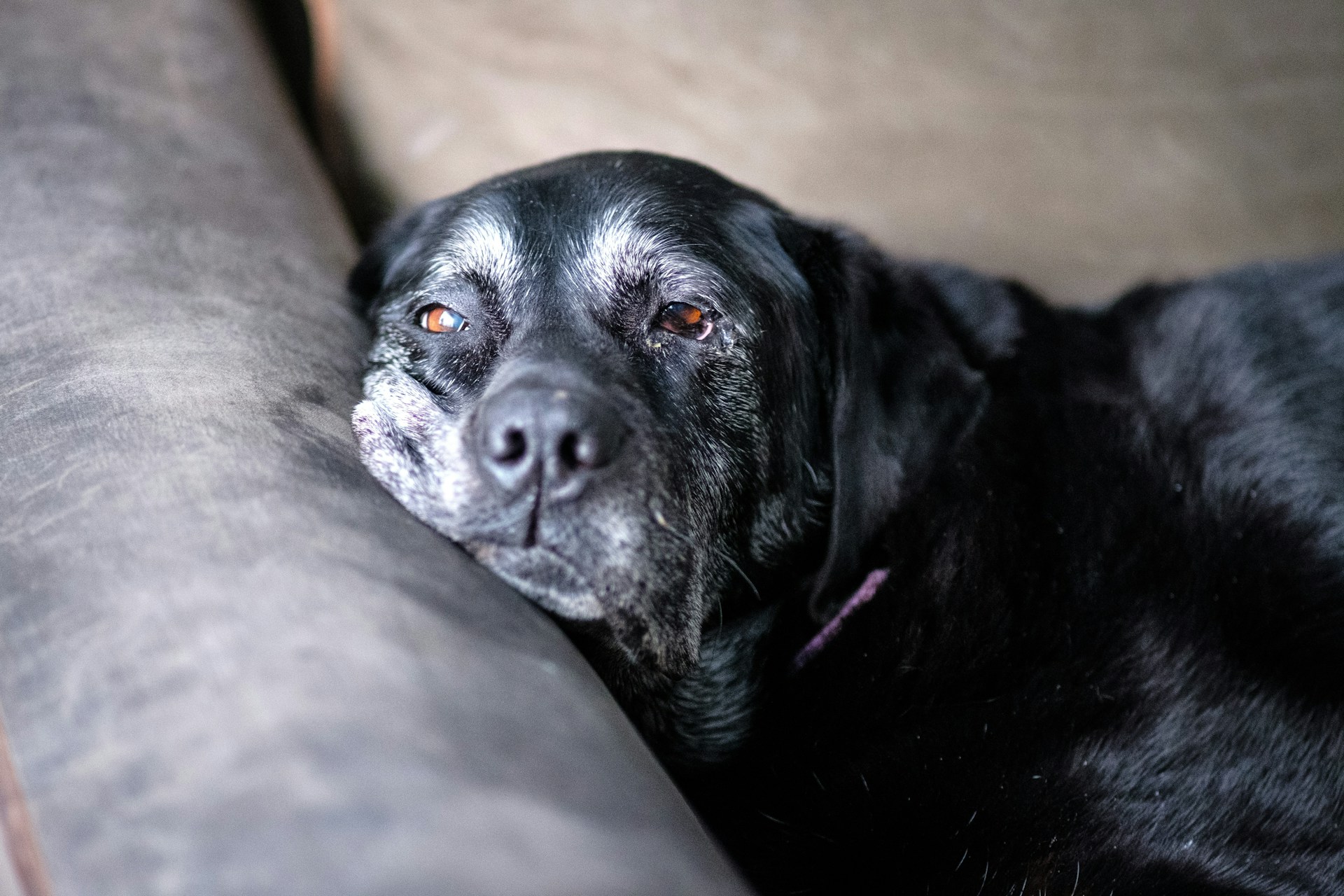
Understanding the Needs of Senior Dogs
Aging dogs, much like humans, experience changes in their physical abilities. Their joints may stiffen, their muscles may weaken, and they might become more prone to injury. It is crucial to engage them in low-impact exercises that promote mobility while minimizing discomfort and risk.
Regular exercise can help manage weight, improve joint health, and boost overall well-being. However, selecting the right type of activity is essential to avoid overexertion and ensure safety.
Benefits of Low-Impact Exercises
- Improved Joint Health: Gentle movements can help lubricate joints, reducing stiffness and pain.
- Muscle Maintenance: Exercise helps prevent muscle atrophy, keeping senior dogs stronger for longer.
- Weight Management: Maintaining a healthy weight reduces stress on joints and organs.
- Enhanced Mood: Physical activity releases endorphins, improving your dog's mood and energy levels.
Getting Started: Assessing Your Dog's Abilities
Before beginning any new exercise routine, it is wise to consult with your veterinarian. They can offer guidance tailored to your dog's specific health needs and conditions.
Observe your dog carefully during exercise. Look for signs of discomfort, such as limping, excessive panting, or reluctance to move. Adjust the routine as necessary to fit their comfort level.
Gentle Walking Routines
The Importance of Walking
Walking is a fundamental exercise that can be easily modified to suit senior dogs. It strengthens muscles, improves circulation, and provides mental stimulation through exposure to different environments.
Step-by-Step Walking Routine
- Select the Right Time: Choose cooler parts of the day to avoid heat exhaustion.
- Use a Harness: A harness distributes pressure evenly across the chest, reducing strain on the neck.
- Start Slowly: Begin with short walks around the block and gradually increase the duration as your dog becomes more comfortable.
- Pace Yourself: Keep the pace slow and steady, allowing your dog ample time to explore and sniff.
- Monitor Closely: Watch for any signs of fatigue or discomfort and be prepared to head home if needed.
Incorporating Gentle Stretching
The Role of Stretching
Stretching helps maintain flexibility and range of motion, which are crucial for aging dogs. It can be integrated into daily routines with minimal effort.
Simple Stretching Exercises
- Paw Stretch: While your dog is standing or sitting, gently lift one paw at a time and stretch it forward. Hold for a few seconds before switching paws.
- Back Stretch: Encourage your dog to do a "play bow" by lowering their front legs and keeping their rear in the air. Reward them with treats for holding the position.
- Tummy Twist: While your dog is lying on their back, gently move their legs side to side, helping twist their torso slightly to promote flexibility.
Introducing Water-Based Activities
The Benefits of Swimming
Swimming is an excellent low-impact exercise that supports joints while building strength and endurance. Water naturally supports a dog's weight, reducing stress on their body.
How to Safely Introduce Swimming
- Select a Safe Environment: Choose a calm body of water or a dog-friendly pool with easy entry and exit points.
- Use a Life Vest: A life vest offers added buoyancy and safety, especially for inexperienced swimmers.
- Start Gradually: Allow your dog to get accustomed to the water slowly, encouraging them with toys or treats.
- Monitor Closely: Stay by your dog's side while they swim and keep sessions short to prevent fatigue.
Integrating Balance Exercises
The Importance of Balance
Balance exercises enhance coordination and core strength. These exercises can also be mentally stimulating for senior dogs, keeping them engaged.
Balance Exercise Ideas
- Paw Lifts: Have your dog stand on all fours and gently lift one paw off the ground for a few seconds. Alternate between paws.
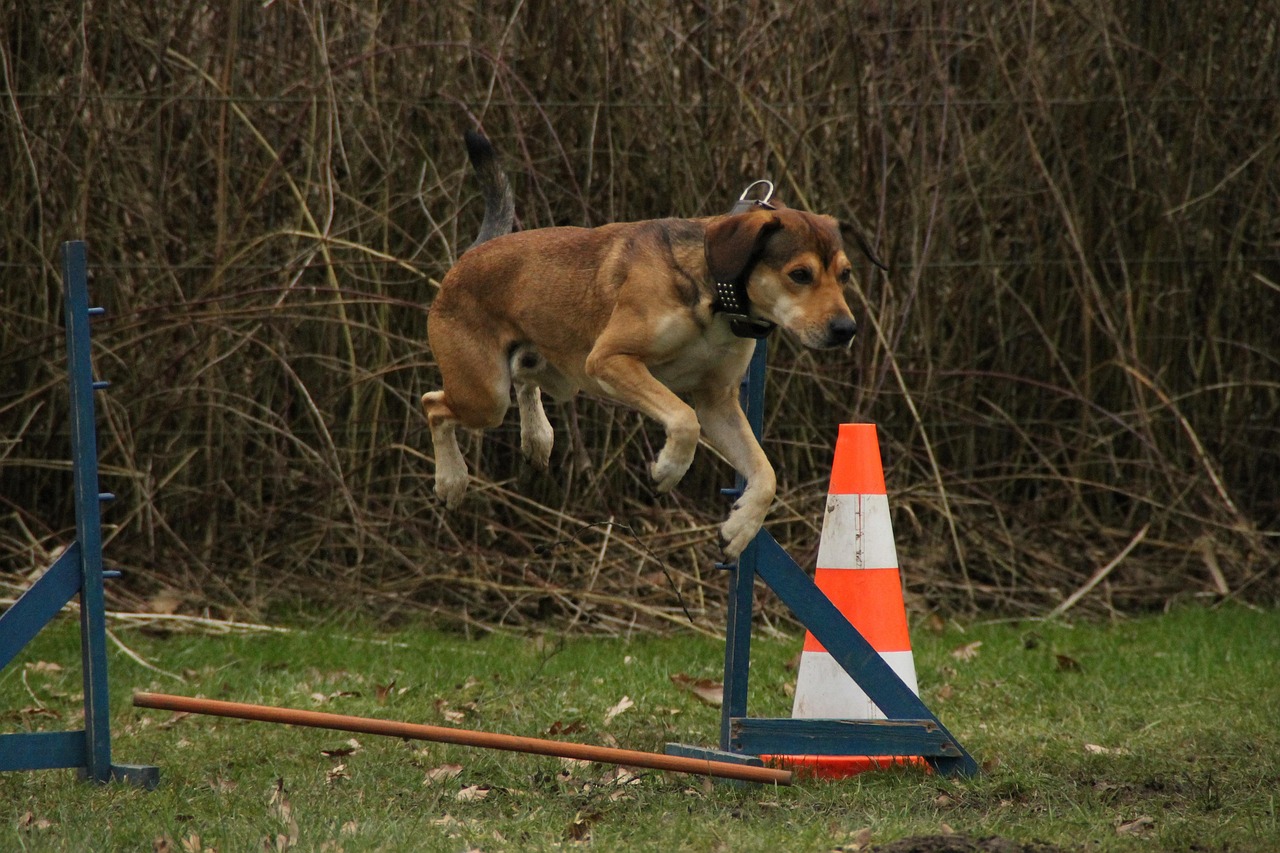
- Cavaletti Poles: Set up a series of low poles or broomsticks for your dog to step over slowly. This enhances limb awareness and coordination.
The Role of Consistency
The key to enhancing mobility in senior dogs is consistency. Regular exercise routines help create familiarity and confidence in your pet. Tailor each activity based on daily observations of your dog's comfort level and responses.
The combination of gentle walks, stretching routines, swimming, and balance exercises creates a comprehensive framework that can significantly improve your senior dog's quality of life.