Understanding Cognitive Dysfunction Syndrome in Senior Dogs
As dogs age, it's not uncommon for them to experience changes in behavior that can be concerning for pet owners. One such change is disorientation, which can be an early sign of cognitive dysfunction syndrome (CDS), often referred to as doggy dementia. Understanding the signs and how to manage them can significantly enhance your dog's quality of life in their senior years.
What is Cognitive Dysfunction Syndrome?
CDS in dogs is similar to Alzheimer's disease in humans. It involves a decline in mental function due to physical and chemical changes in the brain. These changes can lead to disorientation, altered interactions with family members, anxiety, and disrupted sleep-wake cycles.
Identifying Signs of Disorientation
Recognizing the symptoms of disorientation early can help manage CDS effectively. Here are some common signs:
- Getting Lost in Familiar Places: Your dog might wander into a corner and seem confused about how to get out.
- Staring Blankly at Walls or Floors: This may indicate they're losing awareness of their surroundings.
- Difficulty Navigating Around Objects: They might bump into furniture or struggle to find their way around the house.
Case Study: Max's Journey with CDS
Max, a 12-year-old Labrador, started showing signs of disorientation by wandering aimlessly and getting stuck in corners. His owner initially attributed this to old age but sought veterinary advice when the behaviors increased. After a series of evaluations, Max was diagnosed with CDS. Through a combination of medication and lifestyle changes, Max's symptoms became more manageable.
Early Detection Strategies
Proactive monitoring and intervention can slow the progression of CDS. Consider the following strategies:
1. Regular Veterinary Check-Ups
Frequent visits to the vet can help monitor your dog's health and catch early signs of cognitive decline. Blood tests and other diagnostics can rule out other conditions that might mimic CDS.
2. Monitor Behavioral Changes
Keep a journal of any unusual behaviors you observe in your senior dog. Record incidents of confusion or disorientation, changes in sleep patterns, or social interaction shifts.
3. Environmental Enrichment
- Mental Stimulation: Introduce new toys that challenge their cognitive abilities.
- Physical Exercise: Consistent walks help maintain physical health and mental alertness.
Managing Cognitive Dysfunction Syndrome
While there is no cure for CDS, several management strategies can help improve your dog's quality of life:
Dietary Adjustments
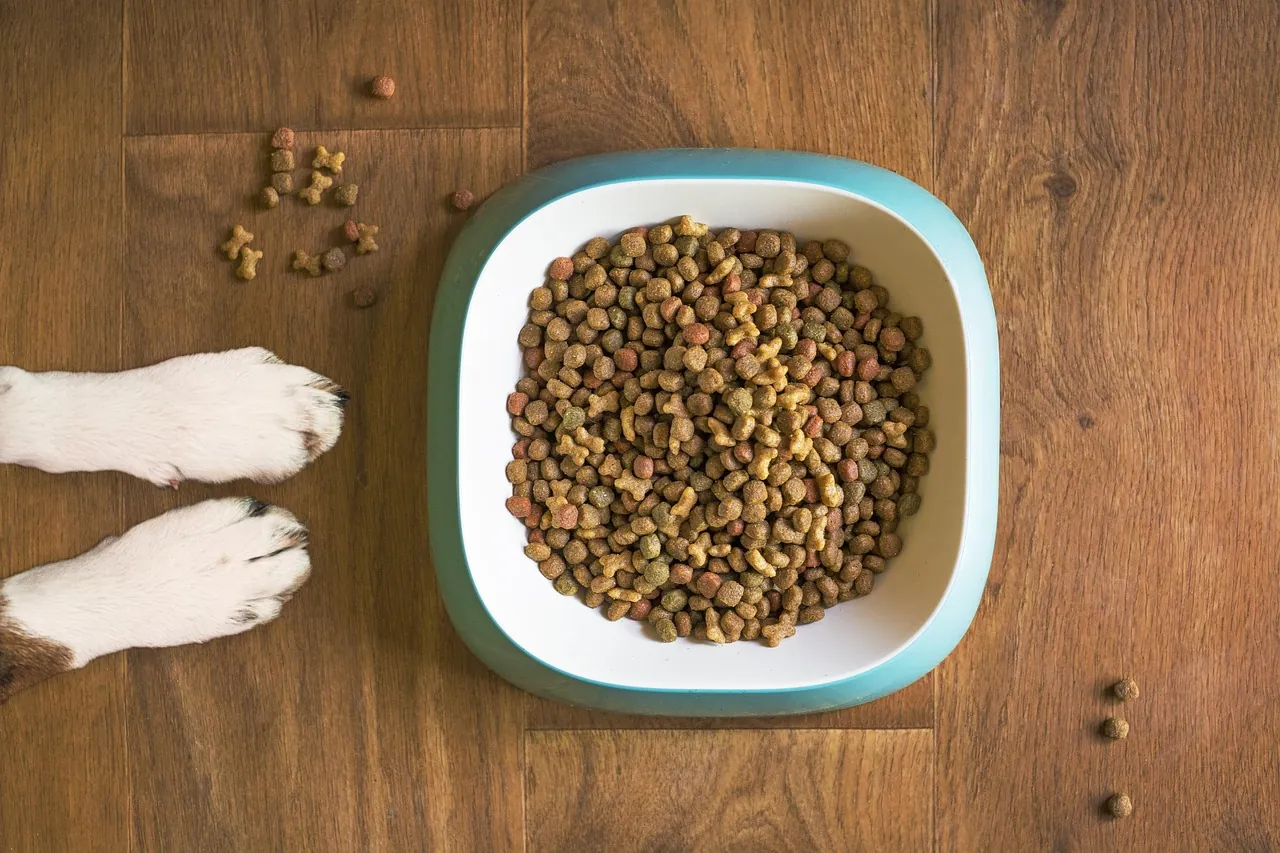
A balanced diet rich in antioxidants, omega-3 fatty acids, and other brain-supporting nutrients can aid cognitive function.
Medications
Your veterinarian may prescribe medications that support brain health or manage specific symptoms associated with CDS.
Consistent Routines
Establishing a regular routine for feeding, walks, and bedtime can provide structure and reduce confusion for your senior dog.
Creating a Safe Environment
Ensure your home is safe and accessible for your dog. Remove potential hazards and provide non-slip mats to help them navigate without slipping. Baby gates can prevent access to stairs if needed.
A Day in the Life: How Bella's Routine Helps Her Cope
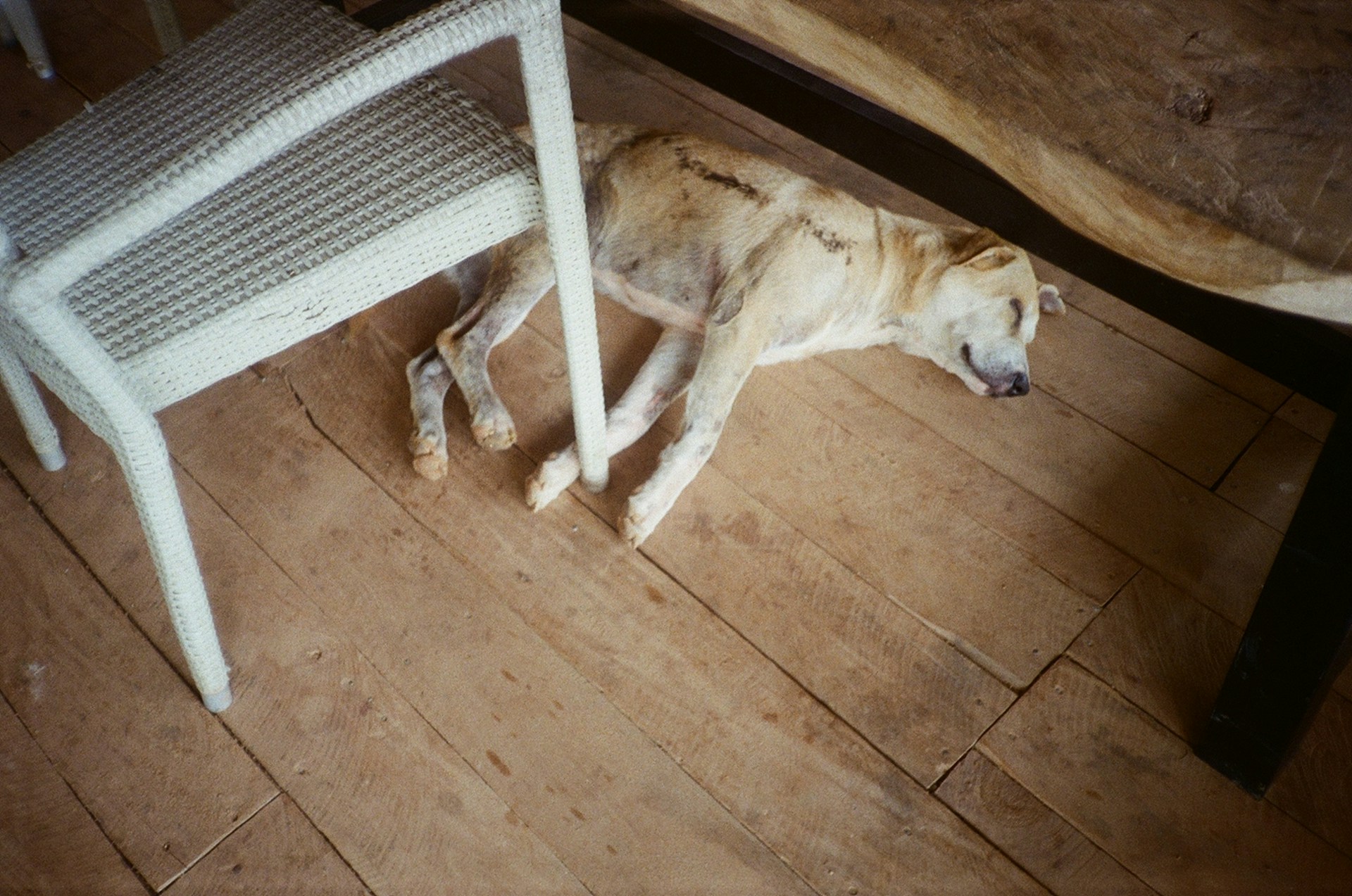
Bella, a 13-year-old Beagle with mild CDS, benefits from a structured daily routine. Her owner starts each day with a short walk followed by breakfast. Mid-morning, Bella enjoys playtime with interactive toys designed to engage her mind. Her afternoons are spent napping in her favorite sunny spot, and evenings include another brief walk before dinner. By adhering to this schedule, Bella remains calm and oriented throughout the day.
Conclusion: Enhancing Quality of Life
Caring for a senior dog with CDS requires patience and understanding. By recognizing early signs of disorientation and implementing management strategies, you can greatly enhance your dog's quality of life. Remember, each dog is unique, and what works for one may not work for another. Consultation with your veterinarian is crucial to tailor the best approach for your furry friend.