The Unique Dietary Needs of Senior Dogs
As our canine companions age, their dietary needs begin to change. Just like in humans, the metabolism of dogs can slow down, and they may become less active, leading to adjustments in calorie intake and nutritional requirements. Understanding these changes is crucial for maintaining your dog's health and well-being in their golden years.
Senior dogs often require diets that are higher in fiber and lower in calories to prevent obesity. They also benefit from additional nutrients that support joint health and cognitive function. The choice between raw diets and kibble can significantly impact these nutritional aspects.
Raw Diets for Senior Dogs
Raw diets typically consist of uncooked meats, bones, fruits, vegetables, and sometimes dairy products. Proponents of raw diets argue that they align more closely with what dogs' ancestors might have eaten in the wild, providing benefits such as improved skin and coat health, better dental hygiene, and increased energy levels.
Benefits of Raw Diets
- Nutrient Density: Raw diets can be packed with natural vitamins and minerals because they are less processed than kibble.
- Digestibility: Some dogs may find raw diets easier to digest due to the absence of fillers often found in kibble.
- Weight Management: Raw diets can help manage weight more effectively as they often do not contain the carbohydrates that can lead to weight gain in senior dogs.
Drawbacks of Raw Diets
- Risk of Bacteria: Handling raw meats carries a risk of bacterial contamination for both the dog and the owner.
- Cost and Preparation Time: Raw diets can be more expensive and time-consuming to prepare than kibble.
- Nutritional Imbalance: Without careful planning, a raw diet might lack essential nutrients needed for a senior dog’s health.
Kibble for Senior Dogs
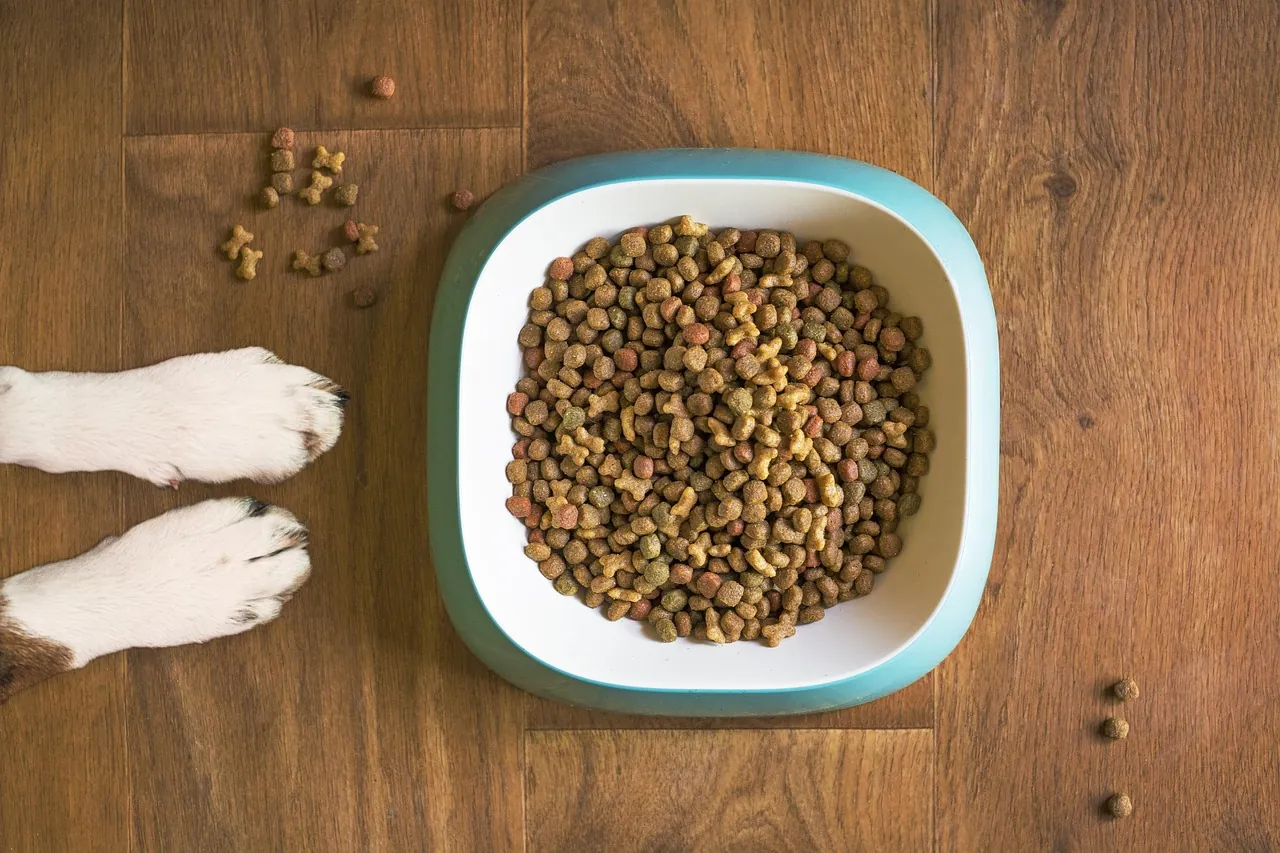
Kibble is a popular choice due to its convenience, cost-effectiveness, and long shelf life. It is available in formulations specifically designed for senior dogs, which can make it easier to provide a balanced diet.
Benefits of Kibble
- Balanced Nutrition: Most commercial kibble is formulated to meet all dietary needs, making it easier to ensure your dog gets the necessary nutrients.
- Dental Health: The texture of kibble can help reduce tartar build-up on teeth.
- Convenience: Kibble is easy to store and serve, saving time on meal prep.
Drawbacks of Kibble
- Fillers and Additives: Some kibbles contain artificial ingredients or fillers that may not contribute to optimal health.
- Palatability: Some senior dogs may find kibble less appetizing compared to fresh foods.
When to Choose Raw or Kibble
Your decision might depend on several factors, including your dog's specific health needs, your lifestyle, and budget. Here's a simple process checklist to help guide you:
- Consult with Your Vet: Always start with a veterinary consultation to assess your dog’s individual health requirements.
- Evaluate Your Time Commitment: Raw diets require preparation time. Ensure you're ready for this commitment if you choose raw.
- Consider Costs: Assess your budget for dog food expenses; raw diets tend to be pricier than kibble.
- Trial Period: Consider trying both methods if possible. Monitor your dog's response over a few weeks regarding energy levels, coat condition, and appetite.
Real-Life Scenario: Choosing the Right Diet
Meet Max, a 12-year-old Golden Retriever. Max started showing signs of joint stiffness and his owner noticed he was gaining weight despite eating the same amount of kibble. After consulting with a vet, Max's owner decided to transition him to a raw diet supplemented with omega-3 fatty acids. Within months, Max showed increased mobility and a healthier weight. This transition also required his owner to become diligent about handling raw foods safely.
Merging the Two: Hybrid Feeding
An increasing number of pet owners opt for hybrid feeding, combining elements of both raw and kibble diets. This method aims to harness the benefits of both types while mitigating drawbacks.
The Hybrid Approach
- You can provide kibble as the primary diet and supplement with raw treats occasionally or mix small amounts of raw food into kibble meals.
This approach can offer varied textures and flavors that keep mealtimes exciting for your senior dog while ensuring a balanced nutritional profile.
Conclusion: Tailoring Diets for Longevity
No one-size-fits-all answer exists when it comes to choosing between raw versus kibble for senior dogs. Each dog's needs are unique based on their health status, lifestyle, and preferences. By understanding the advantages and potential challenges of each diet type and considering a hybrid approach if necessary, you can support your senior dog's health and happiness well into their twilight years.