Understanding the Basics of Pet Vaccinations
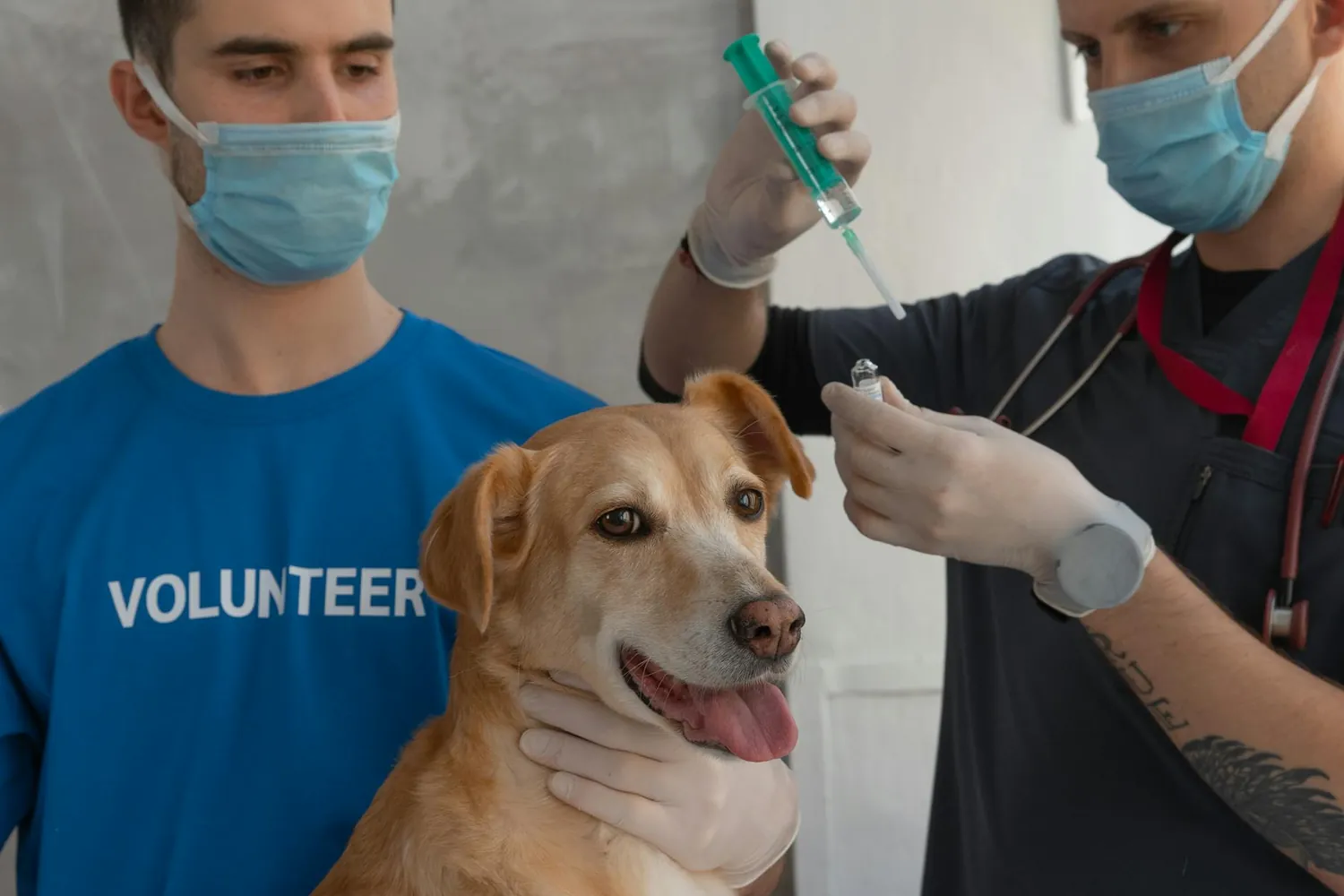
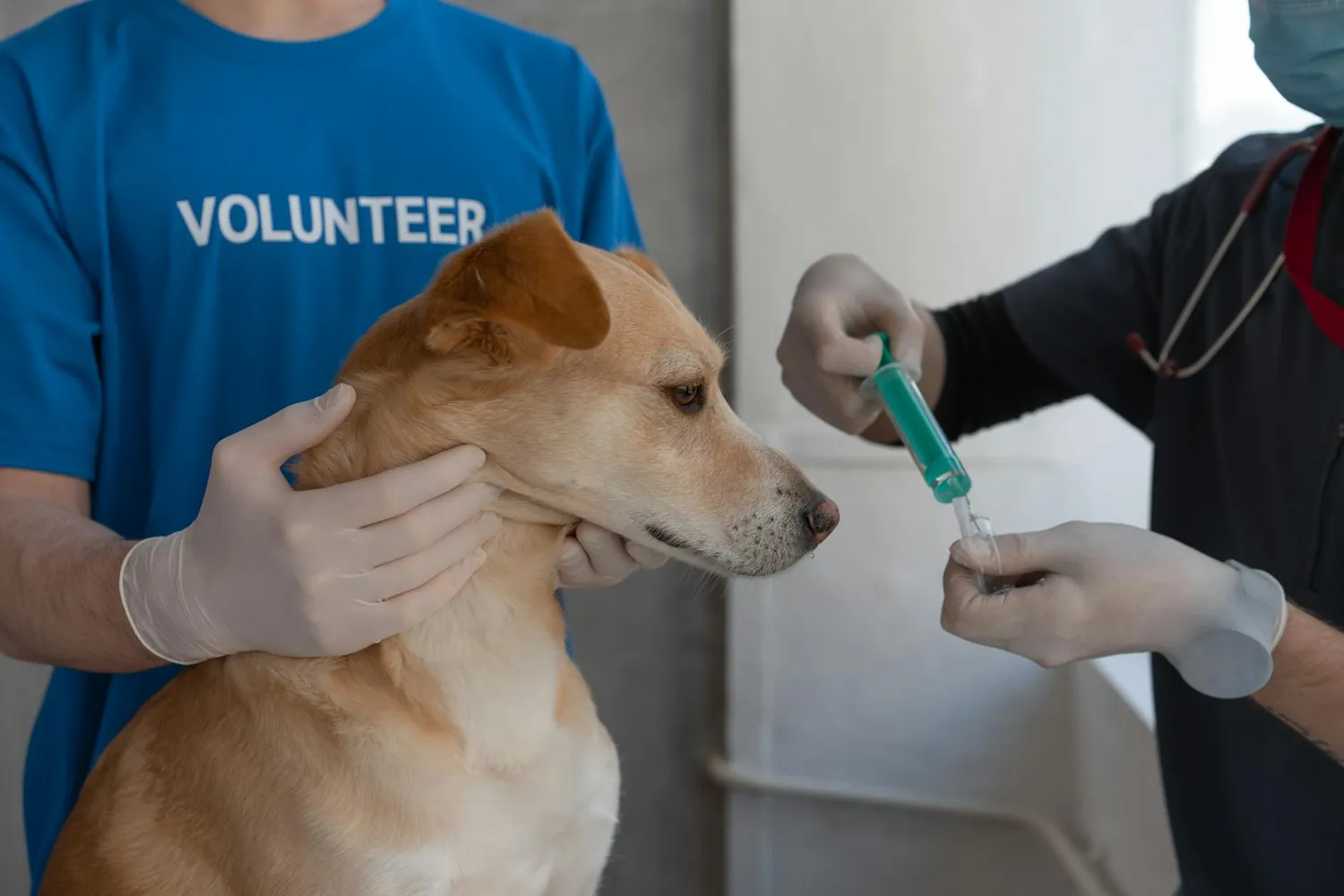
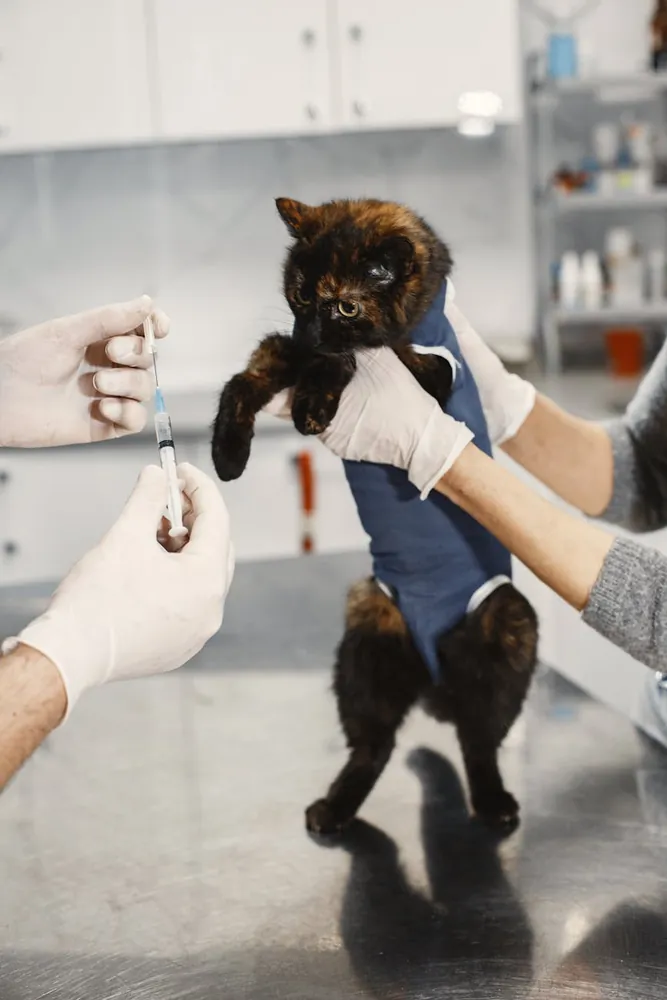
Pet vaccinations are a cornerstone of preventive veterinary medicine, crucial for maintaining the health and well-being of our pets. Vaccines work by stimulating the immune system to recognize and combat pathogens, thereby preventing diseases that could be potentially fatal. There are primarily two types of vaccines used in veterinary medicine: Modified Live Vaccines (MLV) and Inactivated Vaccines. Understanding the differences between these two can help pet owners make informed decisions about their pet's health care.
What are Modified Live Vaccines?
Modified Live Vaccines contain a version of the living virus or bacteria that has been weakened (or attenuated) so it cannot cause disease. These vaccines mimic a natural infection closely, which stimulates a strong immune response without causing the full-blown disease.
Advantages of Modified Live Vaccines
- Strong Immunity: Because they use live, attenuated pathogens, MLVs often produce a more robust and longer-lasting immune response.
- Rapid Protection: They generally require fewer doses to achieve immunity compared to inactivated vaccines.
Potential Risks
Despite their benefits, MLVs carry some risks:
- Reversion to Virulence: Although rare, there's a small risk that the weakened pathogen could revert to a more virulent form.
- Not Suitable for All Pets: MLVs are not recommended for pets with compromised immune systems, such as very young, old, or sick animals.
Practical Scenario
An example of using an MLV could be in a healthy adult dog that needs protection against canine distemper. A single dose can quickly stimulate immunity, providing fast protection in areas where the disease is prevalent.
Inactivated Vaccines Explained
Inactivated vaccines, also known as killed vaccines, contain pathogens that have been completely killed. They cannot replicate or cause disease in the host, making them very safe for use in a wider range of animals.
Advantages of Inactivated Vaccines
- Safety: Because they do not contain live organisms, there is no risk of the vaccine causing the disease it is intended to protect against.
- Suitability: Ideal for immunocompromised pets or those with specific medical conditions where live vaccines pose a risk.
Challenges and Considerations
- Multiple Doses Required: Typically, they require multiple initial doses followed by regular boosters to maintain immunity.
- Cost and Convenience: The need for multiple doses can make them more expensive and less convenient compared to MLVs.
Practical Scenario
An inactivated vaccine might be recommended for a senior cat that requires protection against rabies but has underlying health issues. The killed virus offers protection without overwhelming an already stressed immune system.
Selecting the Right Vaccine for Your Pet
The decision on whether to use an MLV or an inactivated vaccine should be made in consultation with your veterinarian. Here are some factors to consider:
- Health Status: Consider your pet's overall health and any underlying conditions that may affect vaccine choice.
- Lifestyle and Environment: Pets with high exposure risks (e.g., frequent dog parks) may benefit from the rapid protection offered by MLVs.
A Checklist for Pet Owners
Here is a step-by-step process to ensure your pet is getting the appropriate vaccines:
- Consultation: Start with a comprehensive veterinary check-up to assess your pet's health status.
- Risk Assessment: Discuss environmental and lifestyle factors that might influence vaccine type.
- Vaccine Schedule: Work with your vet to establish a vaccination schedule tailored to your pet's needs.
Navigating Side Effects and Reactions
While vaccines are generally safe, it's crucial to monitor your pet post-vaccination for any adverse reactions. Typical side effects might include mild fever, lethargy, or soreness at the injection site. Severe reactions are rare but can occur. In such cases:
- Immediate Attention: Contact your veterinarian immediately if you notice severe symptoms like difficulty breathing, vomiting, or collapse.
A Preventive Approach
A proactive approach can minimize risks associated with vaccinations:
- Avoid vaccinating sick pets; ensure they are healthy before administering vaccines.
- Keep a detailed record of past vaccines and any reactions they might have caused.
The Role of Parasite Prevention in Overall Health
Vaccination is just one part of maintaining your pet's health. Equally important is a solid parasite prevention plan to protect against external threats like fleas, ticks, and internal parasites such as worms.
An effective parasite control strategy includes regular veterinary check-ups, appropriate treatments tailored to your pet's environment, and seasonality considerations.
Conclusion: Balancing Efficacy and Safety
The choice between modified live and inactivated vaccines depends largely on individual circumstances involving your pet's health status and risk factors. By understanding the differences between these vaccine types and working closely with your veterinarian, you can ensure that your pet receives optimal protection while minimizing potential risks. Remember that vaccination is an ongoing conversation; as your pet's lifestyle or health changes, so too might their vaccination needs.