Understanding Canine Parvovirus
Canine Parvovirus (CPV) is one of the most dangerous viral diseases affecting dogs worldwide. It primarily targets puppies and unvaccinated dogs, causing severe gastrointestinal symptoms and potentially fatal consequences. Despite its severity, CPV is preventable through proper vaccination protocols.
How Canine Parvovirus Spreads
The virus spreads through direct contact with an infected dog or indirectly through feces, contaminated surfaces, food, or water bowls. It is known for its resilience, surviving in the environment for extended periods and resisting common disinfectants.
This high level of contagiousness underlines the need for timely and effective vaccination as a primary prevention strategy.
The Role of Vaccination in Preventing CPV
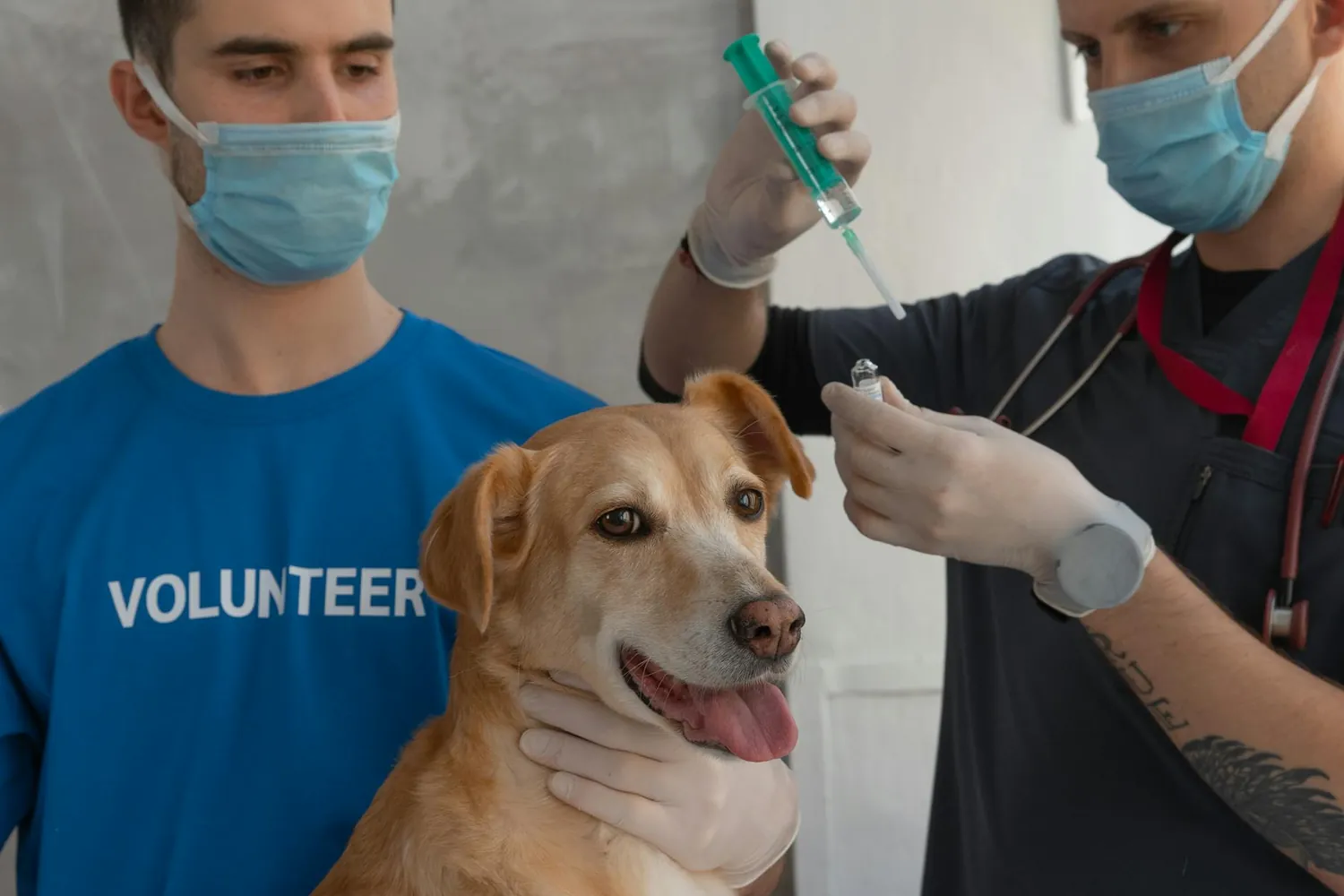
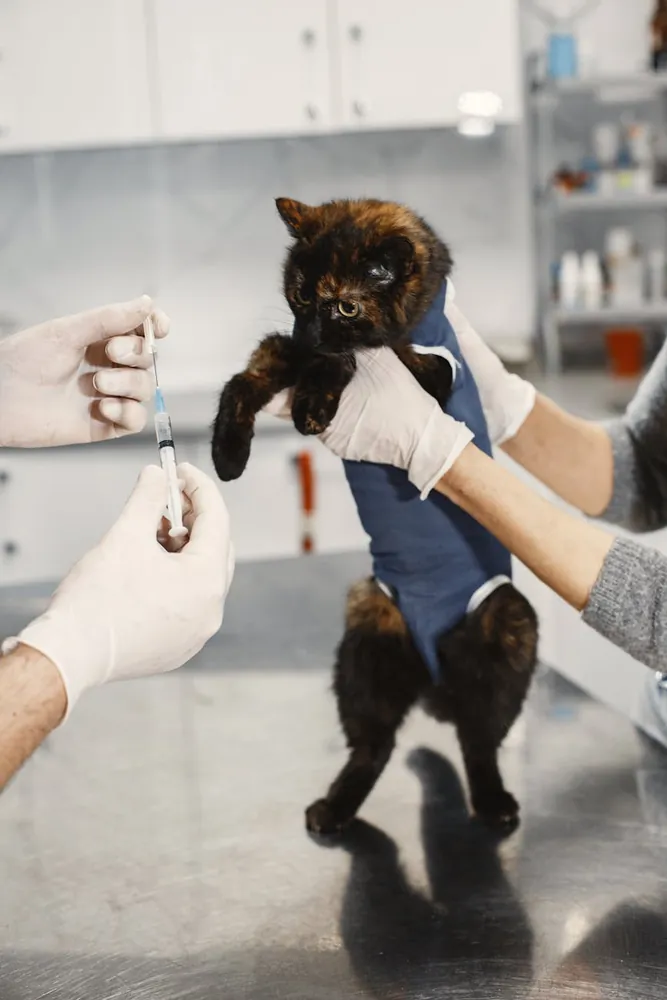
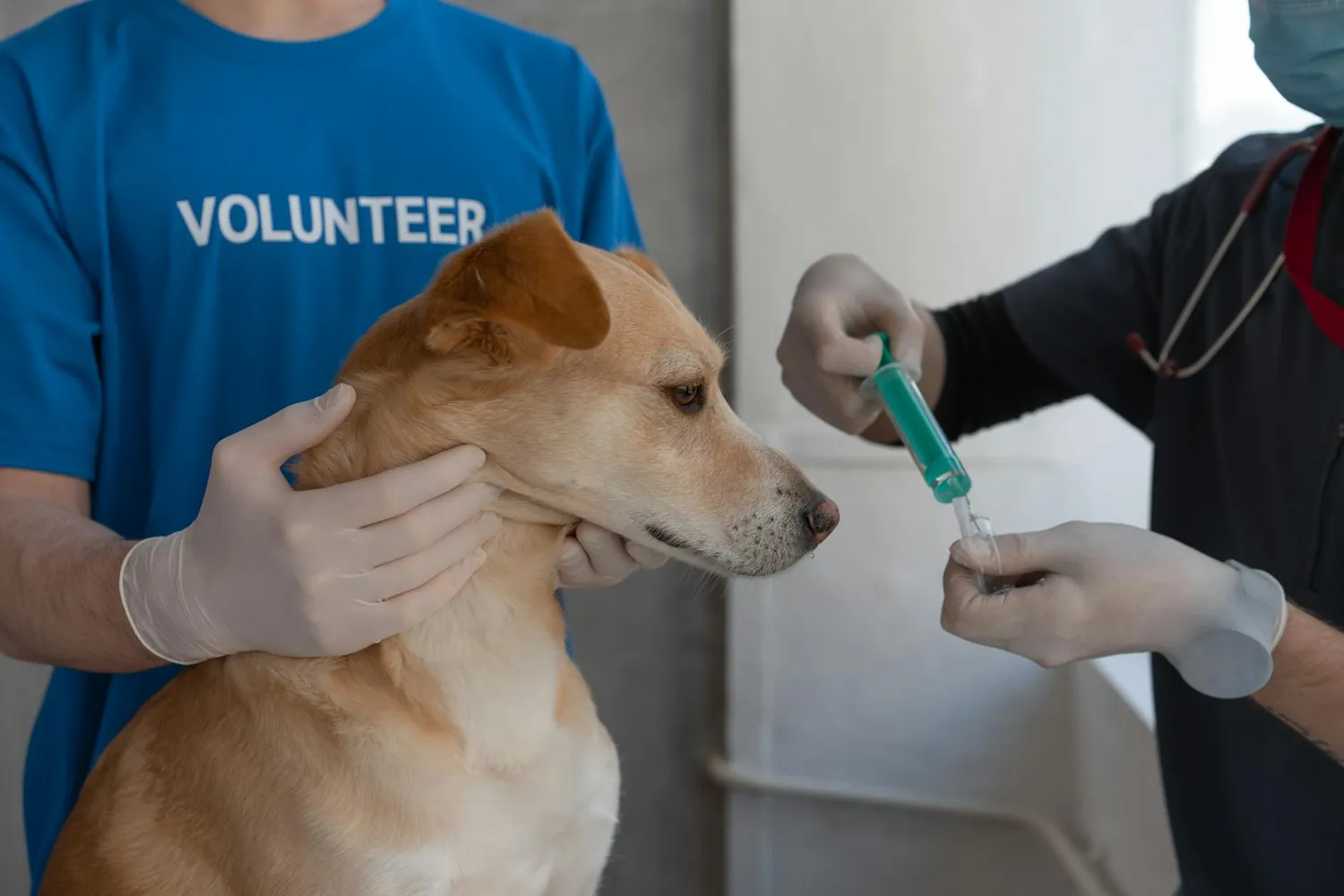
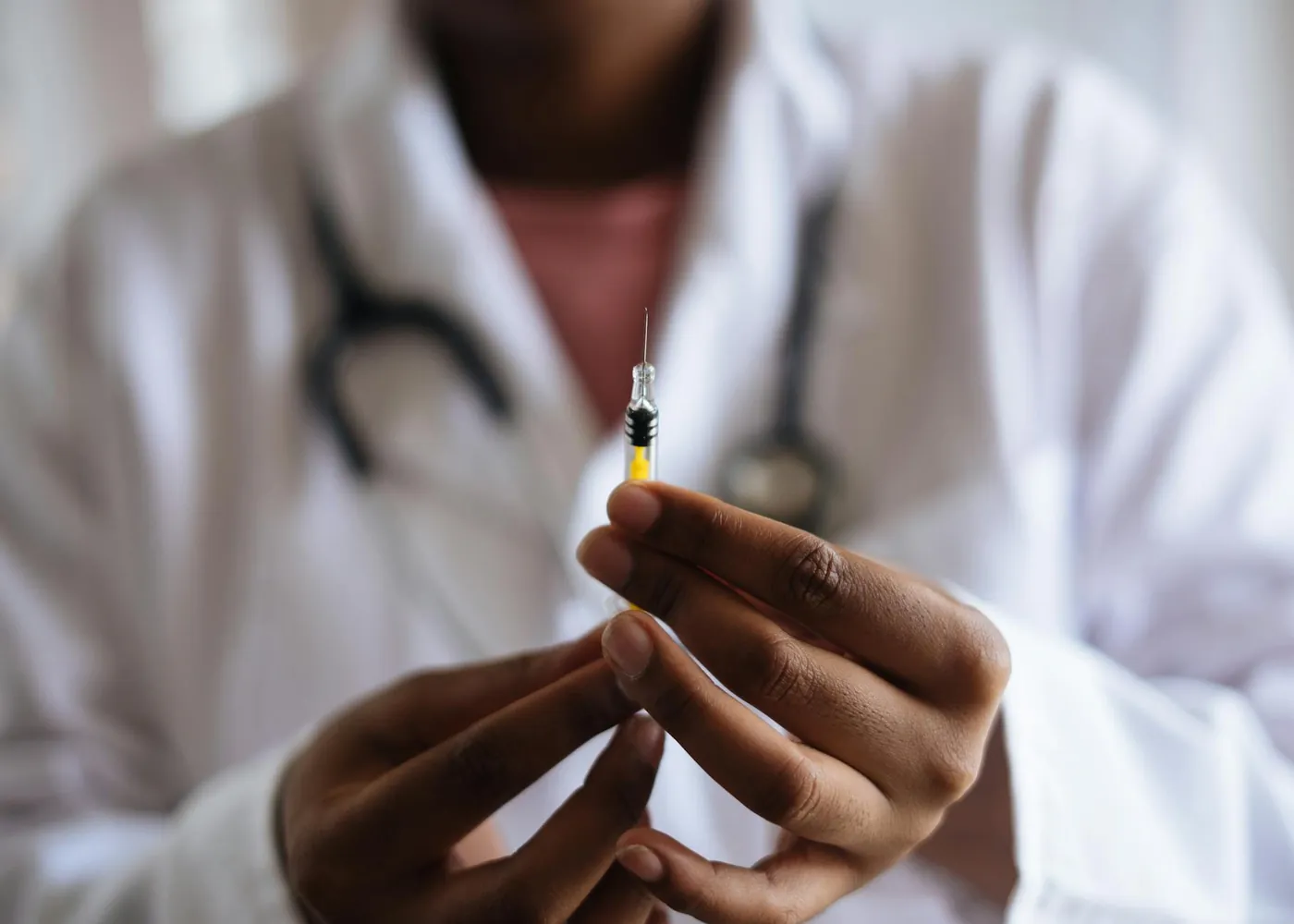
Vaccination is the cornerstone of CPV prevention. It stimulates the dog's immune system to recognize and fight the virus if exposed. Vaccines are designed to prevent infection and reduce the severity of symptoms in the rare event of a breakthrough infection.
Vaccination Schedules
A standard vaccination schedule is critical for developing immunity against CPV:
- First Dose: Puppies should receive their first parvo vaccine at six to eight weeks of age.
- Subsequent Doses: Follow-up shots are typically administered every three to four weeks until the puppy reaches 16 to 20 weeks.
- Booster Shots: An annual booster is recommended to maintain immunity throughout the dog's life.
Following this schedule ensures that your puppy is protected during their most vulnerable period when maternal antibodies wane and before their immune system is fully mature.
The Importance of Booster Shots
Booster vaccinations are essential for sustaining a dog's immunity against CPV. As immunity can diminish over time, these additional doses help ensure that protective antibody levels remain effective in combating any potential exposure to the virus.
Real-Life Impact: Case Studies
The significance of vaccinations is evident in numerous case studies from veterinary practices around the world. Consider the case of "Buddy," a Labrador Retriever puppy from Ohio:
- Scenario: Buddy's owner initially skipped vaccinations due to misconceptions about side effects and cost concerns.
- Outcome: At nine months old, Buddy contracted CPV, resulting in severe gastrointestinal distress. After intensive care, including IV fluids and medications, he survived but with significant stress and expense for the owner.
This situation underscores how skipping early vaccinations can lead to critical health risks and financial burdens. Contrastingly, a timely vaccination could have easily prevented such dire consequences.
Common Misconceptions About Vaccines
Misinformation about vaccines can lead pet owners to make decisions that inadvertently increase their pets' risk of contracting diseases like CPV. Here are some common misconceptions:
- Vaccines Are Dangerous: Adverse reactions to vaccines are exceedingly rare compared to the benefits they offer in disease prevention.
- Indoor Dogs Don't Need Vaccines: Even dogs that rarely go outside can be exposed to viruses brought in on shoes, clothing, or through other pets.
Addressing Concerns Effectively
If concerns about vaccinations arise, consult with your veterinarian. They can provide comprehensive information tailored to your pet's health needs, addressing any potential risks and emphasizing the importance of maintaining a current vaccination schedule.
Checklist for Effective Parvovirus Prevention
To protect your dog from CPV, consider implementing the following checklist:
- Complete Initial Vaccination: Ensure your puppy receives all recommended doses by 20 weeks.
- Schedule Regular Vet Visits: Maintain an annual check-up schedule to discuss ongoing vaccination needs.
- Avoid High-Risk Areas: Keep young puppies away from parks or dog congregations until fully vaccinated.
- Practice Good Hygiene: Clean your dog's living area regularly with appropriate disinfectants effective against CPV.
The Community Benefits of Vaccination
Adequate vaccination extends beyond individual pets, contributing significantly to public health by reducing the prevalence of contagious diseases within communities. Herd immunity developed through widespread vaccination protects those who are unable to be vaccinated, such as puppies too young to receive shots or dogs with specific health conditions preventing vaccination.
The Role of Pet Owners and Vets
Pet owners play a crucial role by adhering to vaccination schedules and ensuring follow-up appointments are kept. Veterinarians, on their part, should educate clients about the importance of vaccines and remind them of upcoming boosters and exams through reminders or apps, making the process seamless and less prone to oversight.
Conclusion: The Critical Importance of Parvo Vaccination
In summary, timely vaccination against Canine Parvovirus is a critical health measure that can dramatically reduce disease incidence and safeguard both individual pets and community health. By following recommended vaccination protocols, maintaining regular veterinary care, and practicing preventive measures, pet owners can play a pivotal role in eradicating this deadly disease from their environments.