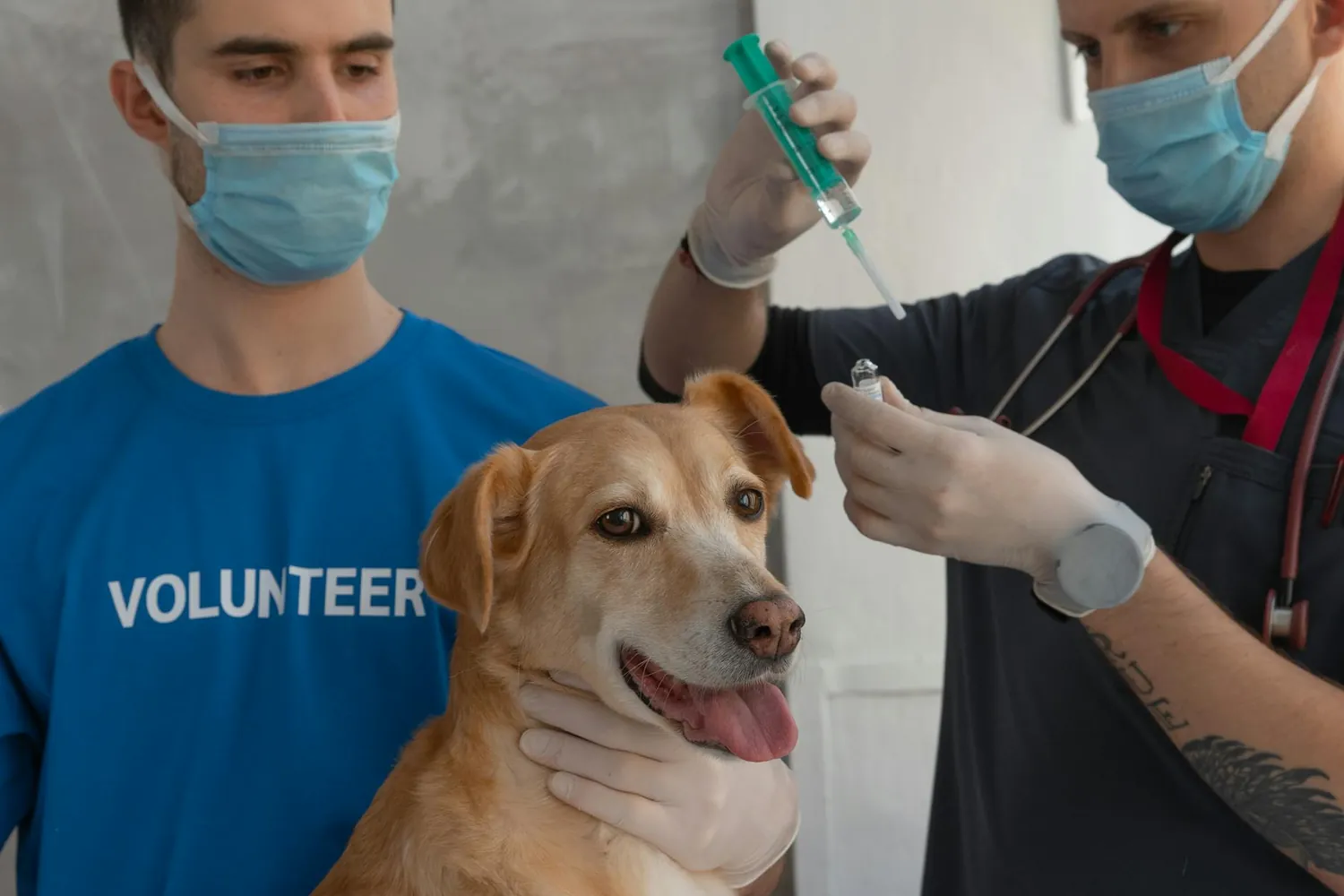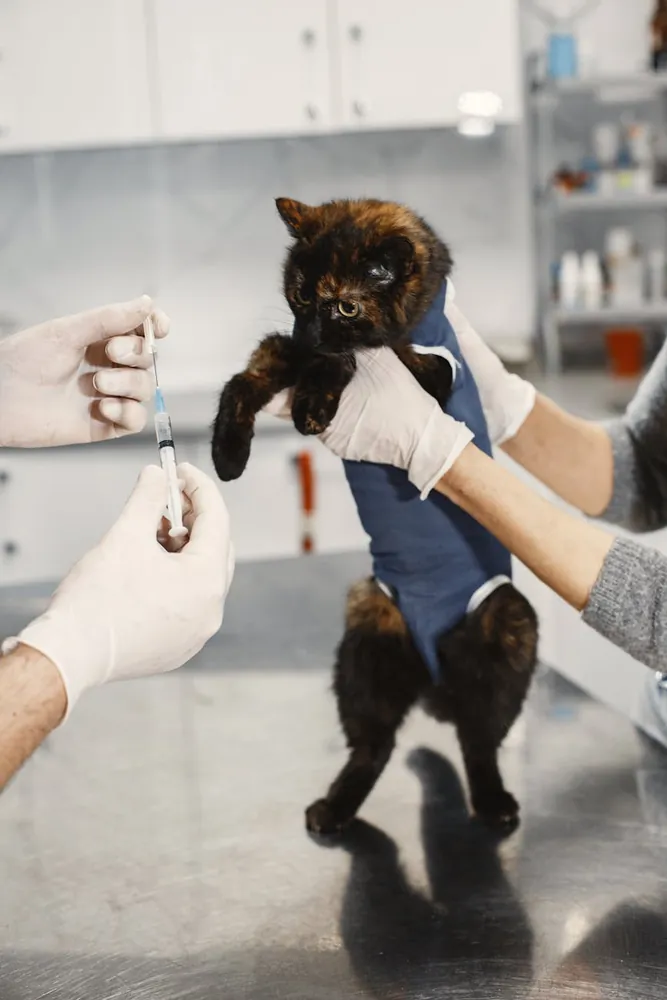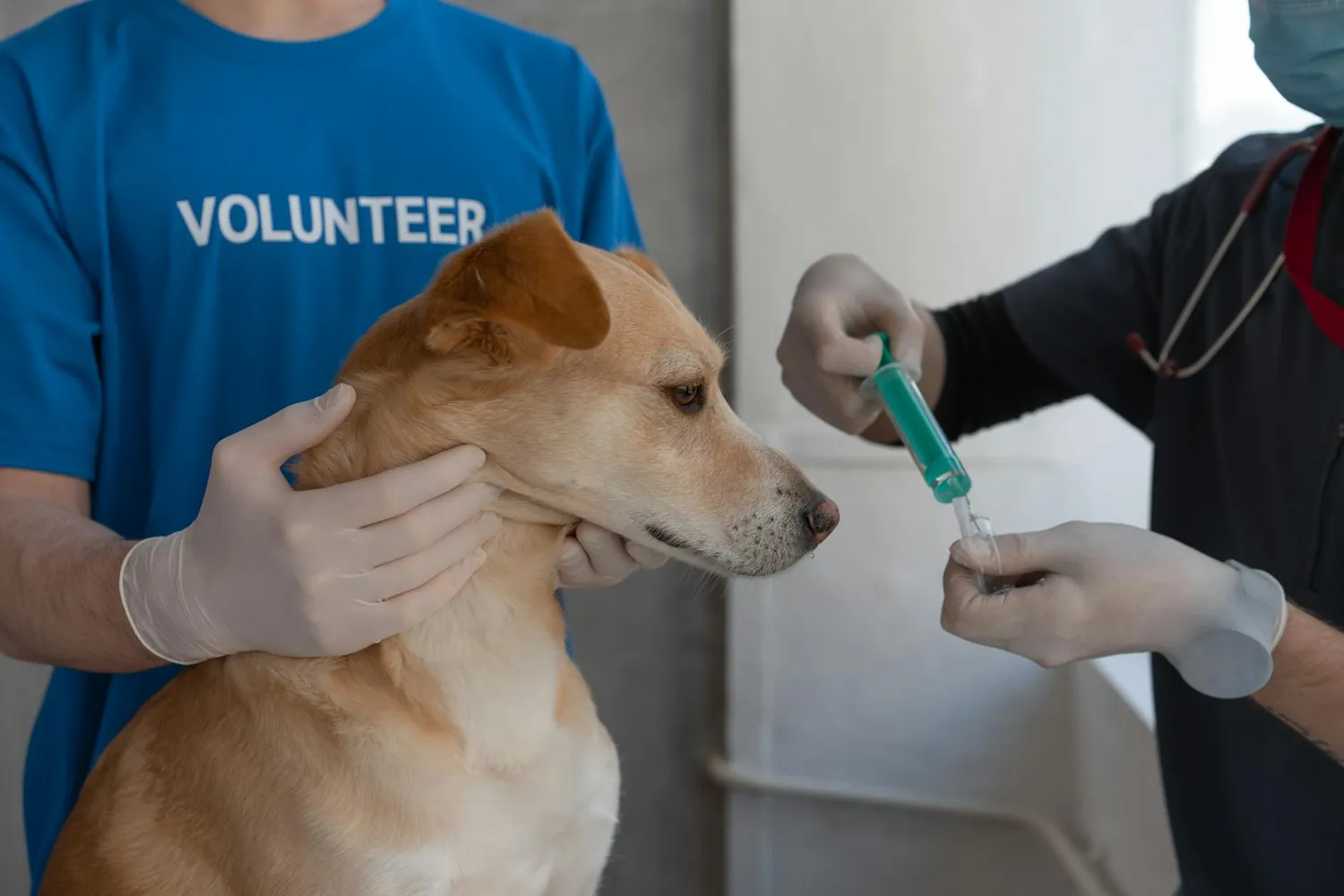

Understanding the Importance of Vaccinations in Pets
Vaccinations are critical components of preventive healthcare for pets, aiming to protect them against potentially life-threatening diseases. For both dogs and cats, vaccines stimulate the immune system to produce antibodies that fend off infections. However, vaccination protocols differ significantly between these two species, often due to differences in disease exposure, lifestyle, and biology.
Core Vaccines: What Are They?
Core vaccines are those considered essential for all pets based on their risk of exposure, severity of disease, or transmissibility to humans. For dogs, core vaccines typically include:
- Canine Parvovirus
- Canine Distemper
- Adenovirus (Hepatitis)
- Rabies
For cats, core vaccines usually consist of:
- Feline Panleukopenia (Distemper)
- Feline Calicivirus
- Feline Herpesvirus Type I (Rhinotracheitis)
- Rabies
Differences in Timing and Scheduling
The timing for administering these core vaccines varies between dogs and cats. Puppies and kittens are generally vaccinated starting at six to eight weeks of age. Here's how the schedules compare:
Puppy Vaccination Schedule
- 6-8 Weeks: Start with Canine Distemper, Adenovirus, and Parvovirus.
- 10-12 Weeks: Booster shots for initial vaccines.
- 14-16 Weeks: Additional boosters; Rabies vaccination is administered.
Kitten Vaccination Schedule
- 6-8 Weeks: Begin with Feline Rhinotracheitis, Calicivirus, and Panleukopenia.
- 10-12 Weeks: Booster vaccinations.
- 12-16 Weeks: Final booster shots; Rabies vaccine.
The Role of Boosters in Long-term Protection
Booster vaccinations are necessary to maintain immunity as the effectiveness of the initial vaccine can wane over time. For adult dogs and cats, booster shots are typically given every one to three years depending on the vaccine type and individual risk factors. It's essential to have a discussion with your veterinarian to tailor a schedule that suits your pet's lifestyle and health needs.
Exploring Non-core Vaccines
Apart from core vaccines, there are non-core vaccines recommended based on geographic location, lifestyle, and specific risks associated with your pet. For example, non-core vaccines for dogs may include:
- Bordetella Bronchiseptica (Kennel Cough)
- Lyme Disease
- Leptospirosis
For cats, non-core vaccines can cover:
- Feline Leukemia Virus (FeLV)
- Bordetella
The decision to use non-core vaccines should be made with careful consideration of your pet's environment and potential exposure risks.
The Pros and Cons of Tailored Vaccination Strategies
While core vaccines are non-negotiable for most pets, tailored vaccination strategies offer a more customized approach. Here are some considerations:
- Pros: Tailored strategies can prevent over-vaccination and ensure that pets are only exposed to necessary immunizations.
- Cons: They require detailed discussions with a veterinarian and may lead to gaps in protection if not managed properly.
The Controversy Over Vaccine Frequency
The topic of vaccination frequency remains controversial among pet owners and veterinarians. Some argue that annual boosters may not be necessary due to advances in vaccine technology. Titer tests are emerging as an alternative, measuring antibody levels to determine if boosters are required. While promising, titer tests may not be suitable for all diseases or affordable for all pet owners.
How Pet Owners Can Make Informed Decisions
Navigating vaccination schedules can be daunting, but informed decision-making is possible by following these steps:
- Consult with a veterinarian to assess your pet’s specific risks and health status.
- Consider your pet’s lifestyle, such as whether they spend time outdoors or in kennels.
- Stay informed about local disease outbreaks that may necessitate additional vaccinations.
A Practical Mini-framework for Pet Vaccination
Here's a simple framework you can follow when planning your pet’s vaccination strategy:
- Assess Risk Factors: Determine environmental exposures and health conditions.
- Select Core Vaccines: Administer according to standard schedules.
- Evaluate Non-core Needs: Consider lifestyle-specific vaccines after consulting your vet.
- Schedule Regular Check-ups: Ensure boosters are timely and adjust based on health assessments.
This framework provides a balanced approach to managing your pet's health while considering both medical recommendations and personal preferences.