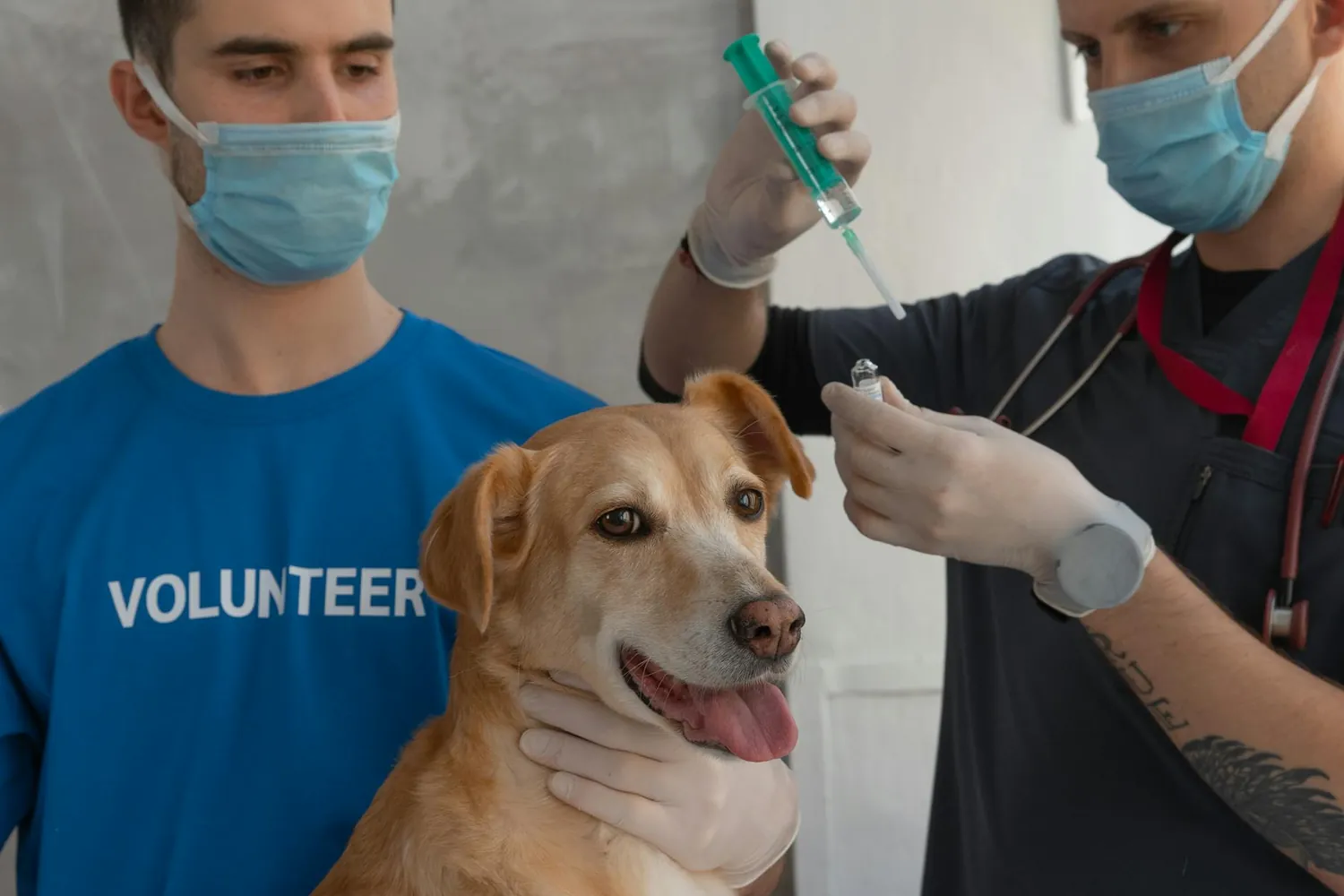
Understanding Canine Leptospirosis
Leptospirosis is a bacterial infection caused by Leptospira bacteria. It affects not just dogs but also other animals, including humans. This zoonotic disease primarily spreads through water contaminated with the urine of infected animals, making it particularly prevalent in areas prone to flooding or with abundant wildlife.
The Impact of Leptospirosis on Dogs
In dogs, leptospirosis can lead to severe health issues, including kidney damage, liver failure, respiratory distress, meningitis, and in severe cases, it can be fatal. Given the potential severity of the disease, prevention through vaccination is a common recommendation among veterinarians.
The Protective Benefits of Leptospirosis Vaccines
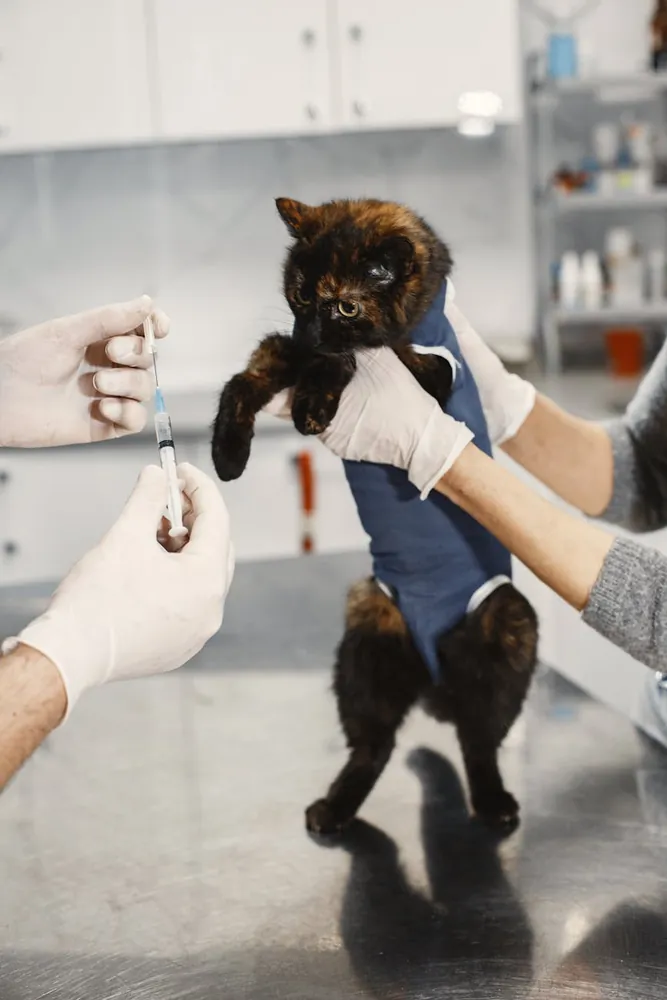
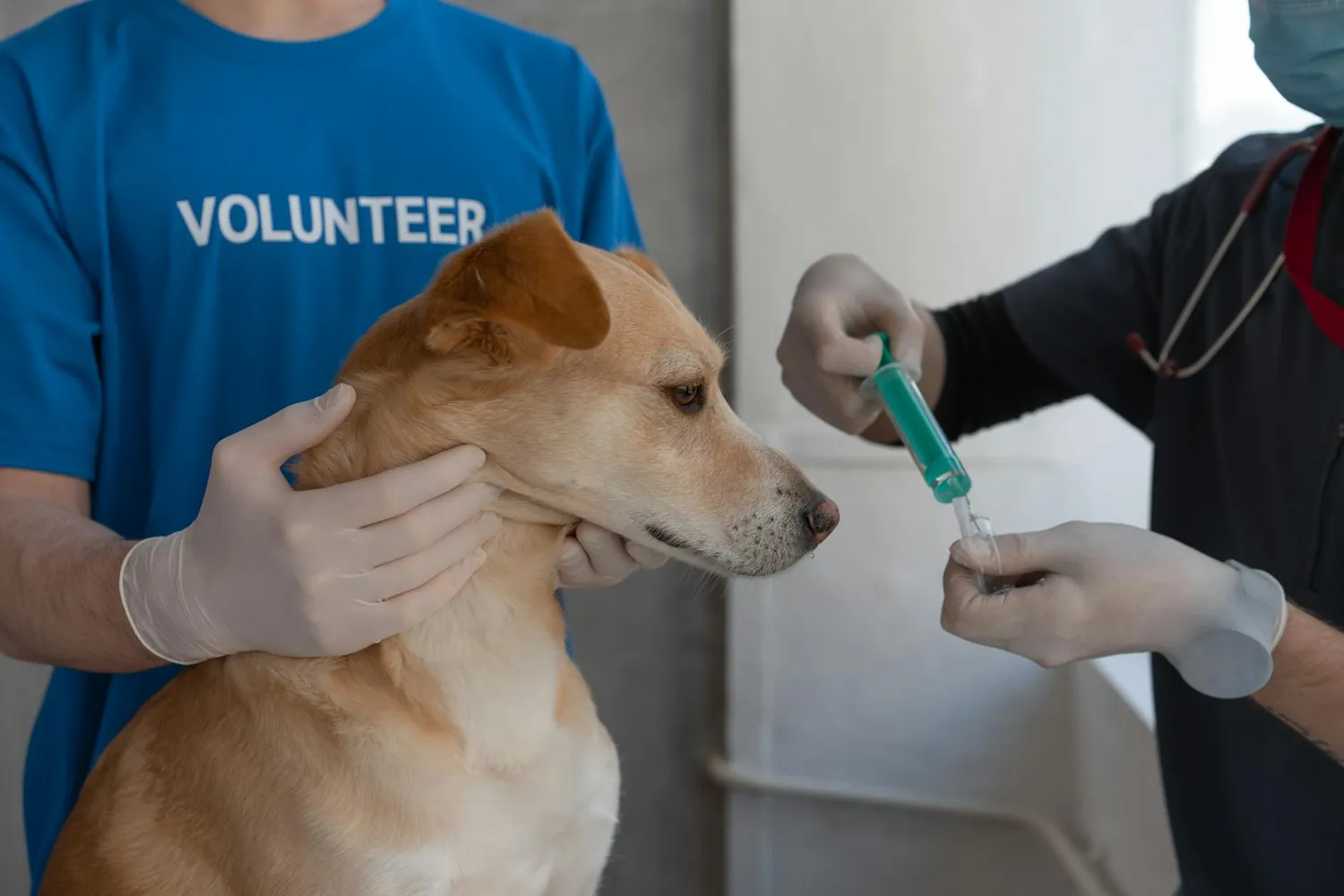
Vaccination remains a frontline defense against leptospirosis. The vaccine works by stimulating the dog's immune system to recognize and fight off the infection if exposed.
- Community Immunity: Widespread vaccination can reduce the prevalence of leptospirosis in the community, thereby protecting more dogs and even humans.
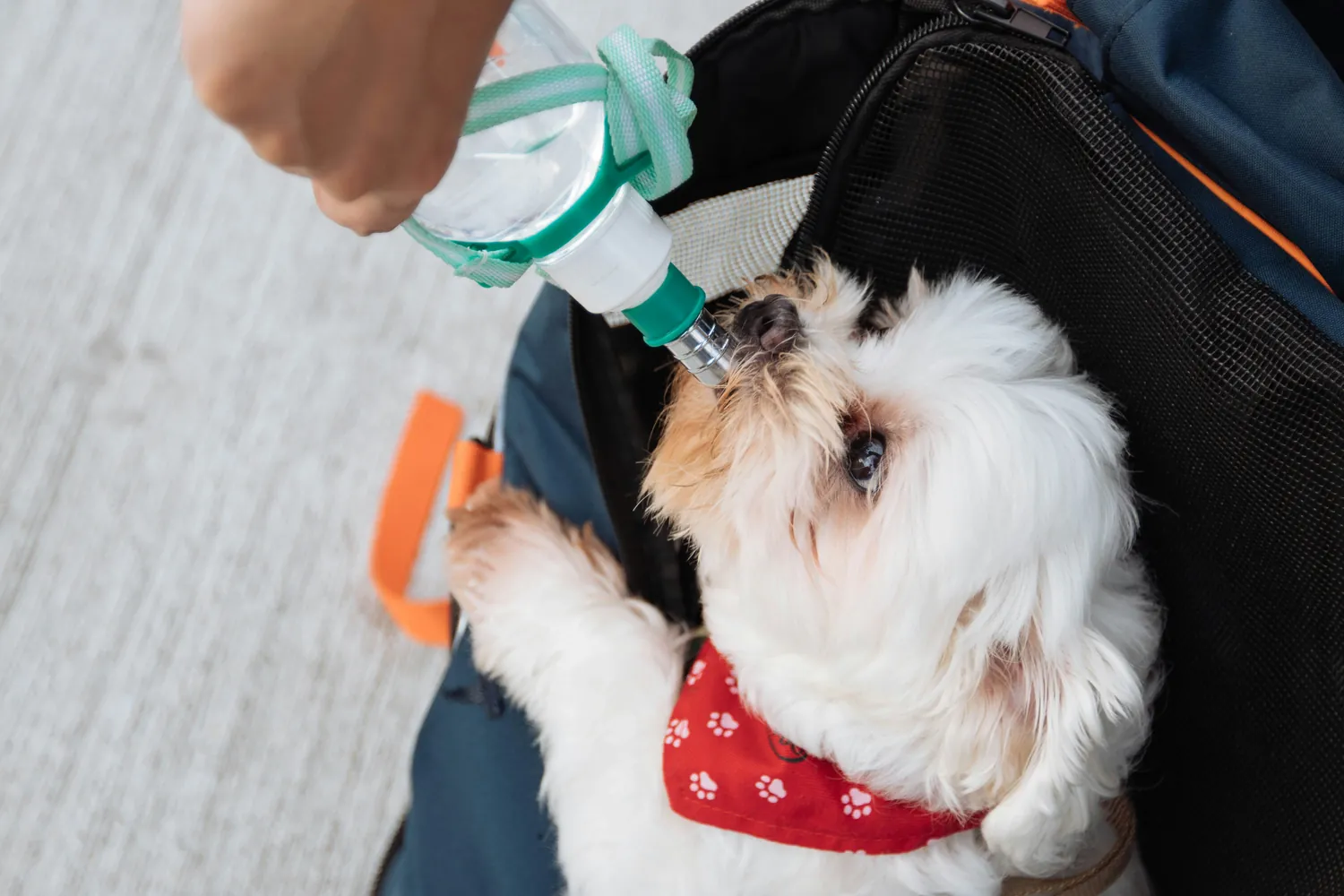
- Travel Safety: For dogs that travel or are exposed to environments with higher risks of exposure, such as rural or flood-prone areas, vaccination provides an essential layer of protection.
- Peace of Mind: Knowing your dog is vaccinated against leptospirosis can alleviate worries about the disease, especially in regions where outbreaks have been reported.
Potential Side Effects of the Vaccine
As with any medical intervention, leptospirosis vaccines can have side effects. It's essential for pet owners to weigh these potential risks against the benefits.
Common Side Effects
- Local Reactions: Swelling or discomfort at the injection site is a common and generally mild reaction.
- Lethargy: Some dogs may experience temporary lethargy following vaccination, which typically resolves within a day or two.
- Mild Fever: A slight fever might occur as the dog's immune system responds to the vaccine.
Rare but Serious Reactions
- Anaphylaxis: Although extremely rare, some dogs might experience an allergic reaction characterized by difficulty breathing and swelling. Immediate veterinary care is critical in such cases.
- Autoimmune Responses: There have been occasional reports of autoimmune reactions post-vaccination, though these instances are exceedingly rare and often associated with underlying health issues.
Case Study: Weighing Risks and Benefits
Consider Lucy, a three-year-old Labrador Retriever living in a suburban area near wetlands. Her owners, active hikers, often take her on trips to regions with potential leptospirosis exposure. After a thorough discussion with their veterinarian, they decided to vaccinate Lucy due to her high-risk exposure. Following her vaccinations, Lucy experienced mild swelling at the injection site, but she remained healthy and playful. Her owners felt reassured during their hikes knowing she was protected against a serious disease.
Making an Informed Decision
Deciding whether to vaccinate your dog against leptospirosis involves considering several factors:
- Environmental Risk: Does your dog frequent areas with known leptospirosis cases? Consider local wildlife and environmental conditions when assessing risk.
- Lifestyle Considerations: Dogs that spend significant time outdoors, participate in hiking or camping trips, or live in rural areas may benefit more from vaccination.
- Health Status: Discuss your dog's overall health and history with your veterinarian. Dogs with compromised immune systems may need tailored advice.
The Role of Veterinarians
Your veterinarian plays a crucial role in guiding you through the decision-making process. Their expertise can help evaluate your dog's specific situation, balancing health needs against potential risks. A collaborative approach ensures that decisions are made based on evidence and professional insight.
Workflow for Vaccine Assessment
- Risk Evaluation: Assess environmental and lifestyle factors that might increase exposure risk.
- Health Review: Conduct a thorough health examination to rule out any contraindications for vaccination.
- Discussion of Options: Talk through the benefits and potential side effects of the vaccine with your vet.
- Create a Schedule: If proceeding with vaccination, establish an appropriate schedule based on your dog's needs and lifestyle.
Conclusion: Balancing Protection and Risk
The decision to vaccinate against leptospirosis should be guided by an informed assessment of risks and benefits specific to your dog's lifestyle and environment. While the vaccine offers critical protection against a potentially severe disease, understanding possible side effects and discussing them with your vet will enable you to make the best choice for your pet's health.