Understanding Canine Distemper and Its Impact
Canine distemper is a highly contagious viral disease that affects dogs and several other animal species, including ferrets and certain types of wildlife. The virus attacks the respiratory, gastrointestinal, and nervous systems of puppies and dogs. In severe cases, it can lead to death. Outbreaks of canine distemper can be devastating, particularly in areas with low vaccination rates. Therefore, understanding the importance of timely vaccinations is crucial in preventing these outbreaks.
The Science Behind Distemper Vaccination
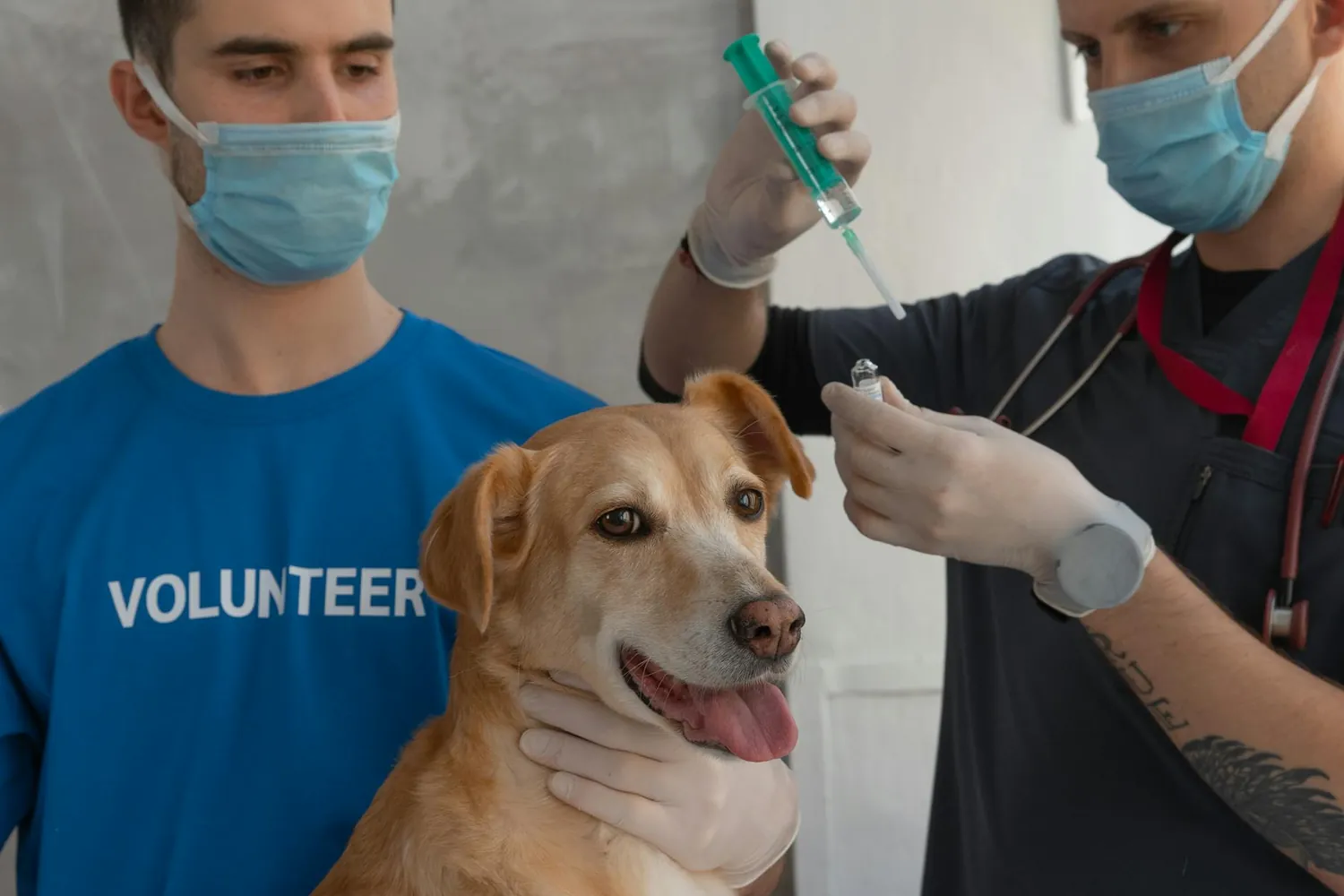
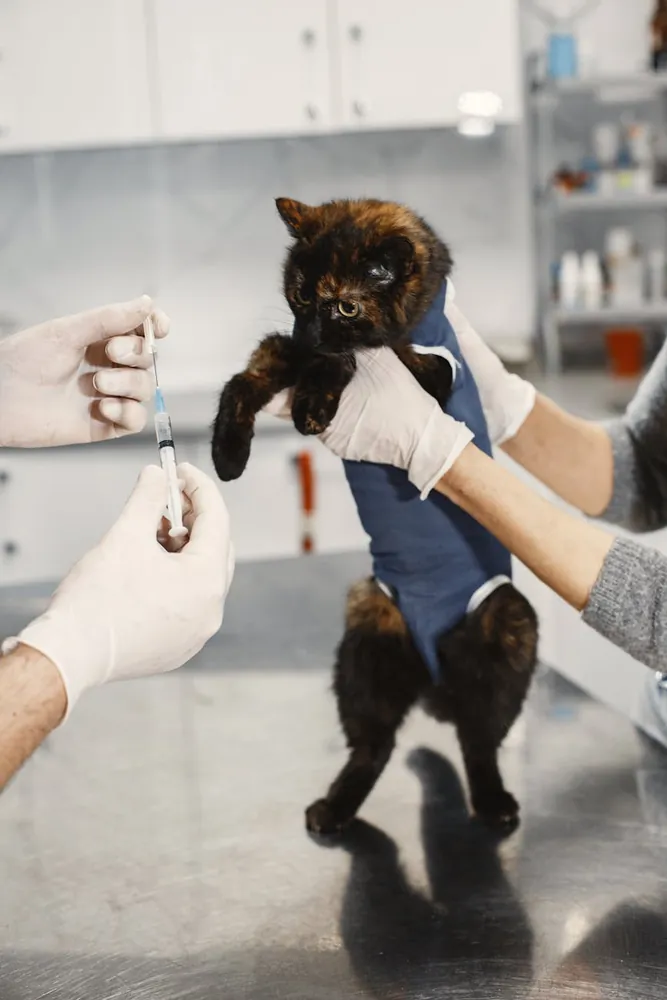
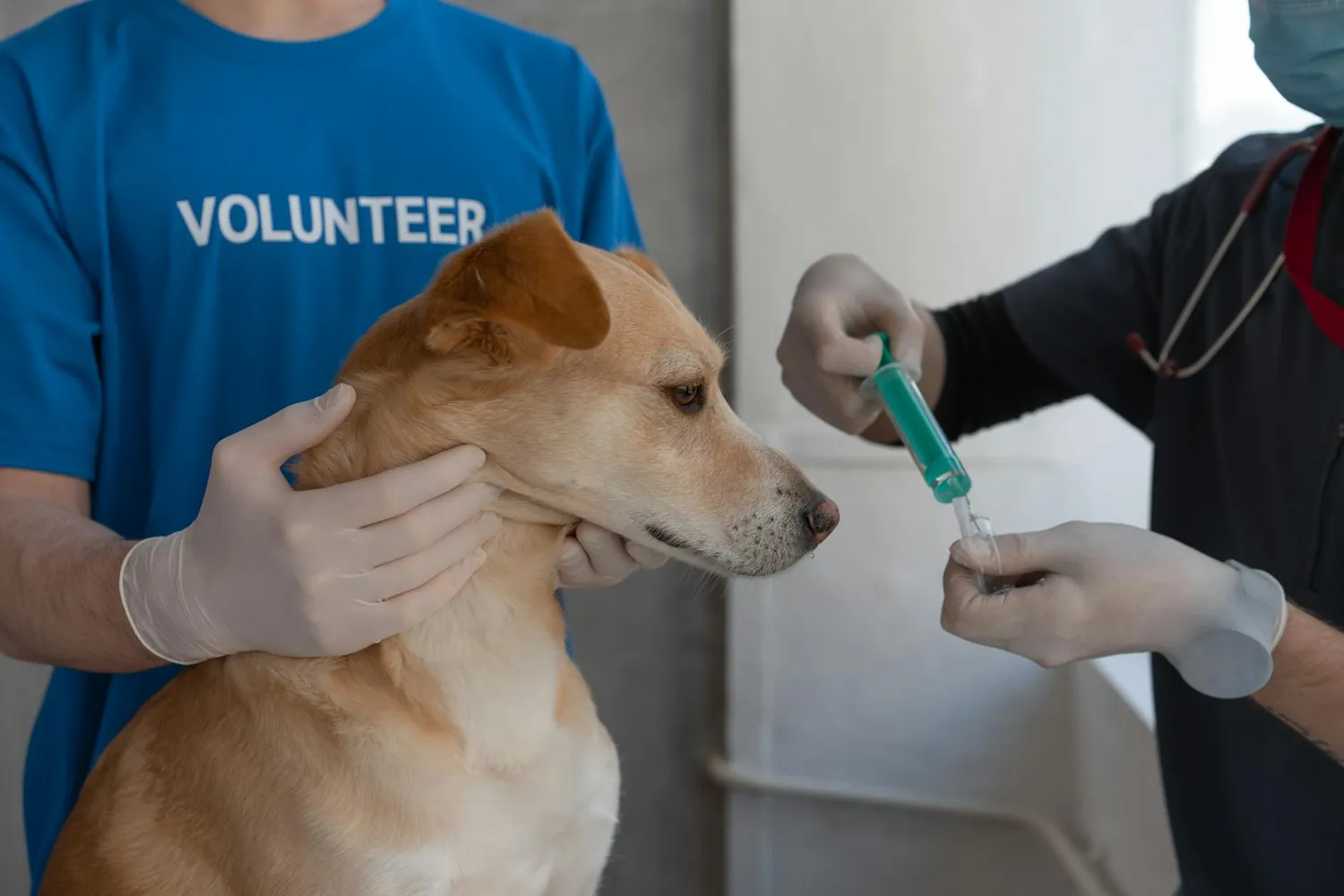
Vaccinations work by stimulating a dog’s immune system to recognize and fight off specific pathogens like the distemper virus. The canine distemper vaccine is typically part of the core vaccines recommended for all dogs, which also includes vaccines for parvovirus and rabies. Core vaccines are considered essential due to the severity of diseases they protect against and their widespread nature.
Types of Distemper Vaccines
The most common distemper vaccine is a modified live vaccine (MLV). This type contains a version of the living virus that has been weakened so it cannot cause disease. It stimulates a strong immune response and provides long-lasting immunity.
Factors Influencing Vaccination Effectiveness
While vaccination is highly effective at preventing canine distemper, its success depends on several factors:
- Vaccination Schedule: Following the recommended schedule is crucial. Puppies should receive their first dose between six to eight weeks of age, with boosters every three to four weeks until they are 16 weeks old.
- Herd Immunity: When a high percentage of the dog population is vaccinated, the spread of the virus is minimized, protecting even those who are unvaccinated or have weak immune responses.
- Booster Shots: Regular booster shots help maintain immunity in adult dogs and reduce the risk of outbreaks.
Importance of Timely Vaccinations
Timeliness in vaccinating against distemper cannot be overstated. Delays or gaps in vaccination schedules can lead to vulnerabilities where the virus can spread more easily, especially in shelters or areas with high dog populations.
Scenario: A Local Shelter's Fight Against Distemper
Consider a local animal shelter that experiences a sudden influx of stray dogs, many of whom have not been vaccinated. Without timely vaccinations upon intake, the risk of a distemper outbreak increases dramatically. By ensuring that all new arrivals are vaccinated as soon as possible, the shelter can prevent a potential health crisis.
Monitoring and Responding to Distemper Outbreaks
In regions where outbreaks have been reported, close monitoring and a proactive response are vital.
Checklist for Preventing an Outbreak
- Ensure all dogs are current on their vaccinations according to veterinarian recommendations.
- Isolate and monitor any dogs showing symptoms of respiratory illness immediately.
- Maintain cleanliness and hygiene within all areas housing dogs.
- Educate pet owners about the symptoms of canine distemper and the importance of vaccination.
Conclusion
The prevention of canine distemper outbreaks hinges on timely vaccinations, comprehensive monitoring, and community-wide education. By maintaining high vaccination rates and encouraging responsible pet ownership, communities can effectively protect their dogs against this serious viral threat.