
The Critical Importance of Rabies Vaccinations for Dogs
Rabies is a viral disease that affects the central nervous system of mammals, including humans, and is almost always fatal once symptoms appear. Vaccinating dogs against rabies not only protects the individual animal but also helps prevent the spread of this deadly virus to humans and other animals. Rabies vaccination is legally required in many regions due to its importance in public health.
The rabies virus is transmitted through the saliva of infected animals, often through bites. Because it poses such a significant risk, understanding the timelines and schedules for vaccinating your canine companion is crucial. This article outlines the standard protocols and offers guidance for pet owners to ensure their pets are adequately protected.
Initial Rabies Vaccination: The Starting Point
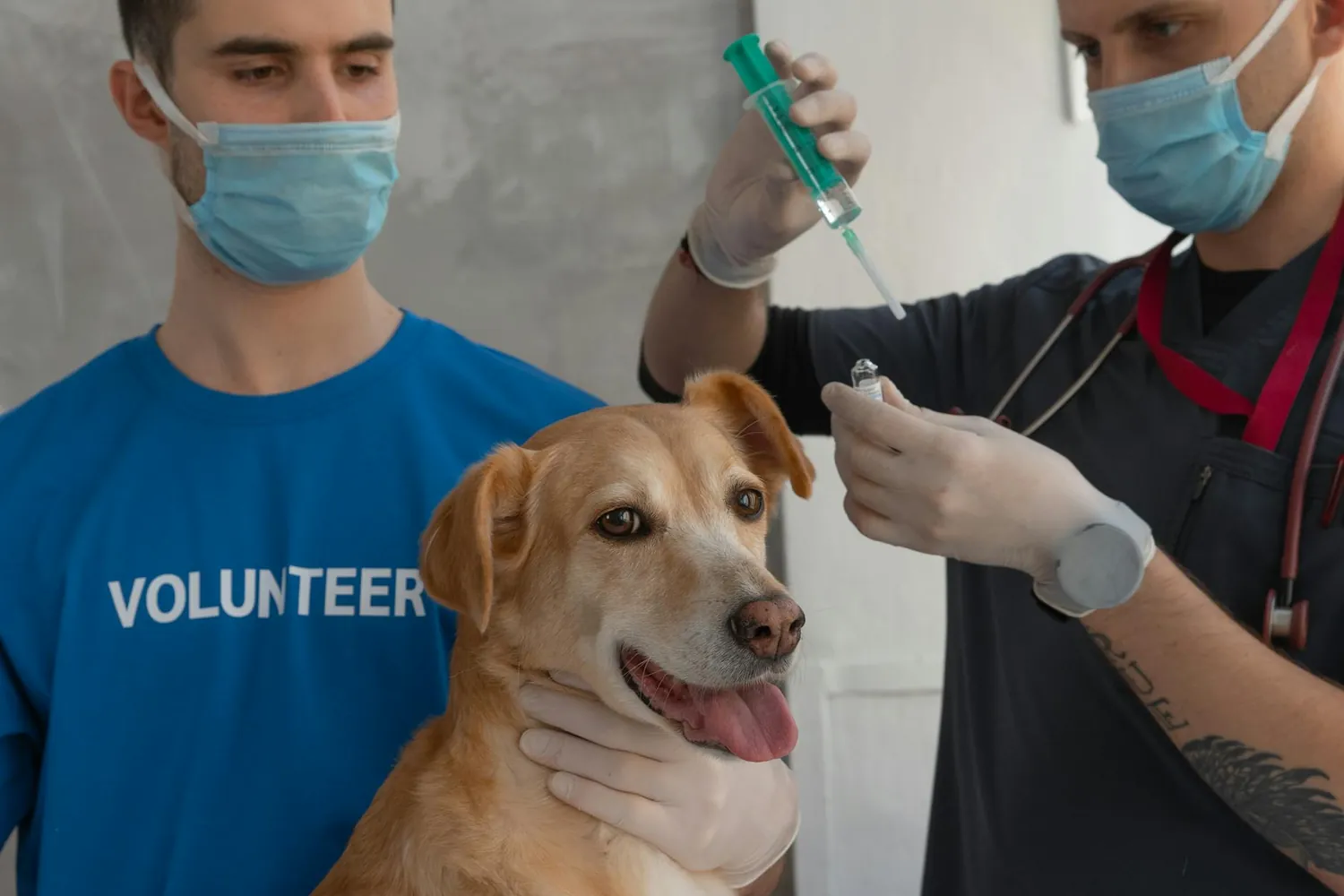
The first rabies vaccine is typically administered when a puppy reaches 12 to 16 weeks of age. At this stage, puppies are usually receiving their other core vaccinations as part of their early veterinary care. Administering the rabies vaccine during this period ensures they are protected as they become more active and possibly come into contact with other animals.
Pros:
- The puppy receives protection early on, crucial for its health and safety.
- Early vaccination aids in meeting legal requirements for licensing and dog ownership in most regions.
Cons:
- The exact timing can vary based on local laws and veterinary recommendations, which may be confusing for new pet owners.
- Puppies may experience mild side effects from the vaccine, such as lethargy or a slight fever, although these are generally temporary.
Considerations for Initial Vaccination
Some veterinarians may opt to delay the initial vaccination slightly if a puppy is particularly small or underweight, as the stress of vaccination might be more significant for these individuals. Always consult your veterinarian to determine the best approach for your dog's specific needs.
Booster Shots: Maintaining Protection
After the initial vaccination, dogs require regular booster shots to maintain immunity against rabies. The first booster is generally given one year after the initial vaccine. Subsequent boosters are then typically administered every one to three years, depending on local laws and vaccine manufacturer guidelines.
Pros:
- Boosters ensure long-term immunity against rabies, maintaining protection throughout the dog's life.
- The frequency of boosters can be adjusted based on local laws and the type of vaccine used (e.g., one-year versus three-year vaccines).
Cons:
- The need for regular veterinary visits can be costly and time-consuming for pet owners.
- Some dogs may experience adverse reactions to booster shots, though these are rare and typically mild.
Scheduling Booster Shots
To avoid missing booster shots, consider setting reminders on your phone or calendar. Some veterinary clinics offer reminder services via email or text messages, ensuring pet owners never miss an important appointment.
Legal Requirements and Considerations
The rabies vaccination is often required by law in many countries. In the United States, for instance, each state has its own specific regulations regarding rabies vaccination, which typically mandate that dogs receive a rabies shot by a certain age and maintain up-to-date booster shots. Failure to comply can result in fines or other penalties.
International travel with pets often requires proof of rabies vaccination within a specified timeframe prior to entry into another country. It is essential to plan ahead when traveling with pets to ensure all requirements are met well in advance.
Special Circumstances
If a dog has a medical condition that precludes safe vaccination, pet owners should work closely with their veterinarian to obtain a rabies vaccination waiver. While not all jurisdictions accept waivers, they can be critical for managing health risks in specific circumstances.
Practical Tips for Pet Owners
- Keep Records Updated: Maintain detailed records of your pet’s vaccinations, including dates and vaccine types. This information is crucial not only for meeting legal requirements but also for informing any new veterinarians or pet care providers about your pet's health history.
- Understand Vaccine Types: Familiarize yourself with different vaccine types, such as one-year versus three-year vaccines. Discuss options with your veterinarian to determine what’s best based on lifestyle, regional risk factors, and health conditions.
- Create a Health Plan: Integrate rabies vaccinations into your dog’s broader health plan, including regular check-ups and other preventive measures like flea and tick control.
When Should You Contact Your Veterinarian?
If you notice any unusual symptoms following your dog's rabies vaccination—such as persistent vomiting, swelling at the injection site, or behavioral changes—contact your veterinarian promptly. While serious side effects are rare, it’s better to err on the side of caution when it comes to your pet’s health.
The Bottom Line
Keeping your dog up-to-date on rabies vaccinations is not just a legal obligation but a critical aspect of responsible pet ownership. By adhering to recommended timelines and maintaining open communication with your veterinarian, you can ensure your canine companion remains healthy and safe from this preventable disease.