Understanding Adjuvanted and Non-Adjuvanted Vaccines
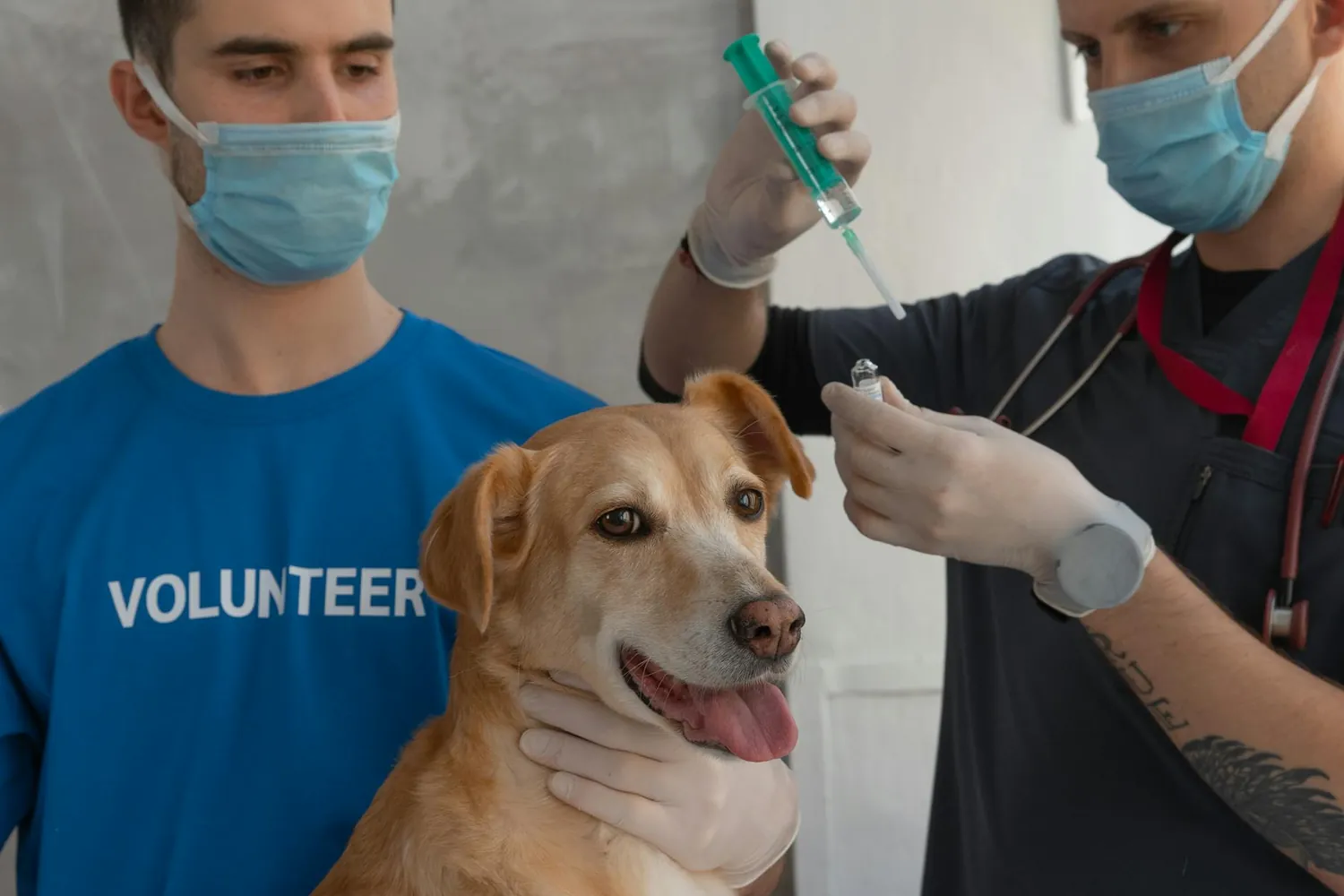
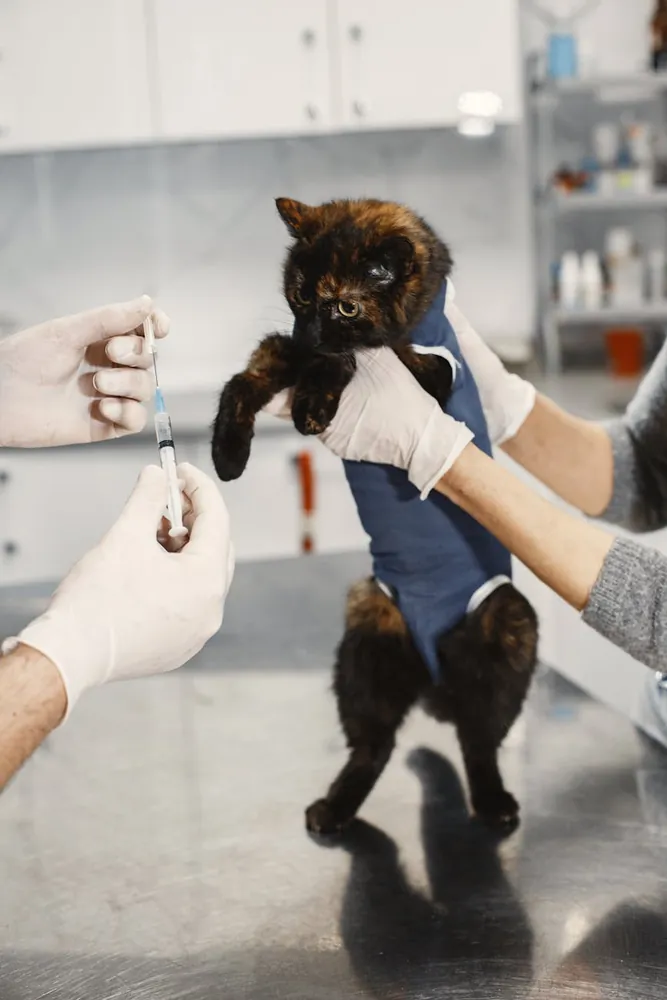
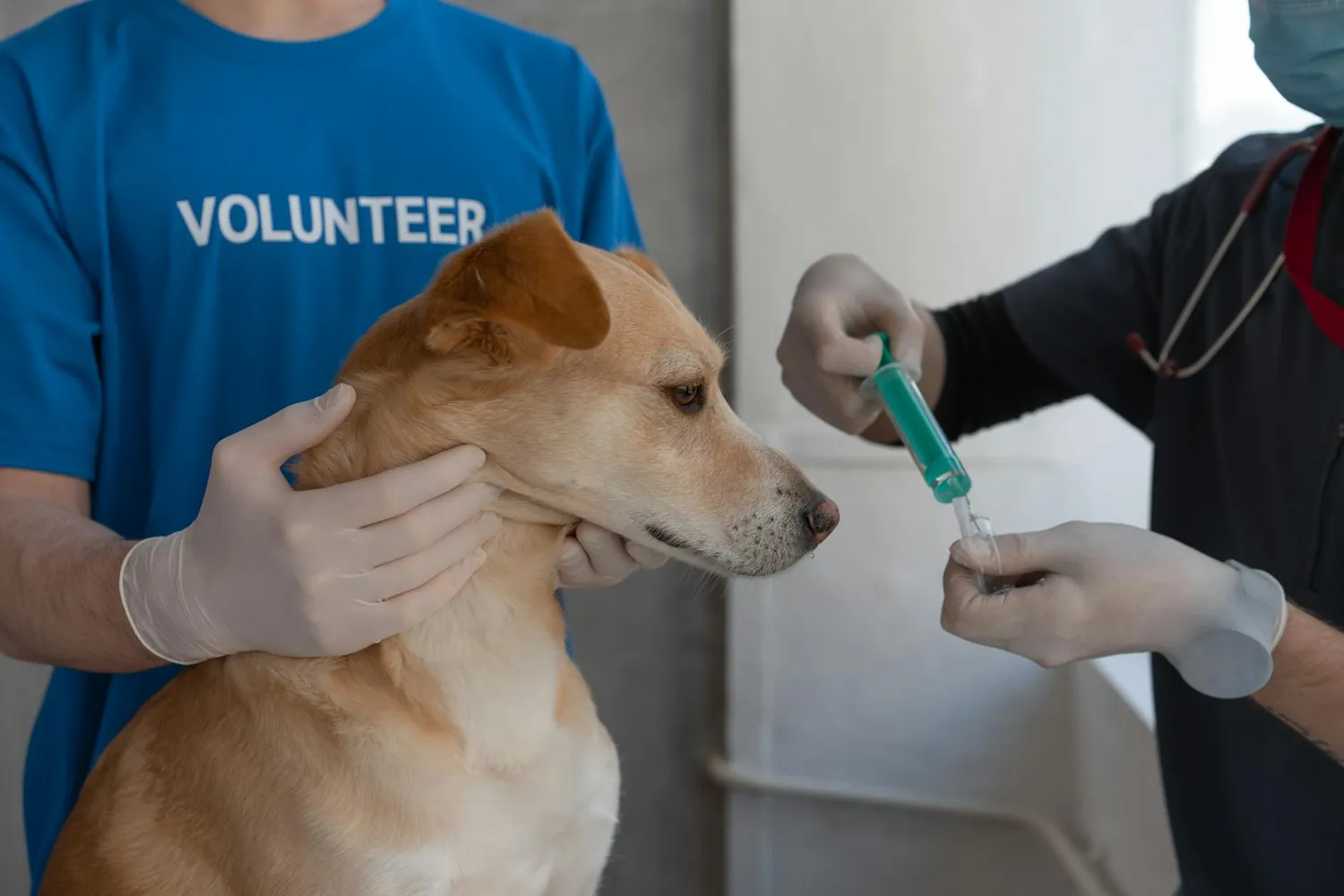
Vaccinations are a critical component of maintaining your pet's health, acting as a primary defense against various infectious diseases. One common distinction in veterinary vaccines is between adjuvanted and non-adjuvanted vaccines. Understanding this difference is vital for making informed decisions about your pet’s vaccination schedule.
An adjuvant is an ingredient added to a vaccine to enhance the body's immune response to the antigen. This can mean stronger or longer-lasting immunity. However, the choice between adjuvanted and non-adjuvanted vaccines is not always straightforward and depends on multiple factors including the pet’s age, health condition, and specific needs.
Adjuvanted Vaccines: A Closer Look
Adjuvanted vaccines contain substances that boost the immune system’s response to the vaccine. The most common adjuvants used in veterinary vaccines are aluminum salts, oil emulsions, and lipid-based compounds. These components are designed to create a stronger or more durable immune response.
- Efficacy: Generally, adjuvanted vaccines can provide a robust immune response which is beneficial for diseases where a strong initial response is critical.
- Longevity: They often require fewer boosters over time due to their prolonged effect on the immune system.
- Common Uses: Adjuvanted vaccines are frequently used in diseases with higher morbidity rates or where local regulations demand stronger immunity proof.
Non-Adjuvanted Vaccines: A Detailed Analysis
Non-adjuvanted vaccines lack additional substances to enhance immunity, making them potentially less reactive but possibly requiring more frequent administration.
- Safety Profile: Non-adjuvanted vaccines are generally considered to have a safer profile for animals sensitive to vaccine reactions. They are often used in situations where minimizing vaccine reactions is a priority.
- Specific Applications: These vaccines might be preferred in young animals or breeds predisposed to certain immune-mediated conditions.
- Availability: While not as commonly used for all diseases, they are available for core vaccinations such as rabies or feline leukemia virus (FeLV).
When to Choose Adjuvanted Vaccines
The decision to use an adjuvanted vaccine should be based on the risk factors associated with specific diseases and your pet’s individual health condition. Here are some scenarios where adjuvanted vaccines might be recommended:
- High-Risk Areas: Pets living in areas endemic with certain infectious diseases may benefit from the enhanced protection of adjuvanted vaccines.
- Mature Pets: Older pets who might not respond as effectively to vaccines can benefit from the augmented immune response provided by adjuvants.
A Practical Checklist for Pet Owners
- Assess Regional Risks: Consult with your veterinarian about the prevalence of diseases in your area and consider adjuvanted vaccines if recommended for high-risk diseases.
- Consider Your Pet's Health Status: If your pet has any underlying health issues, discuss with your vet whether an adjuvanted vaccine is appropriate given its potential for a stronger immune reaction.
- Plan Booster Schedules Accordingly: Be prepared for less frequent booster shots due to longer-lasting immunity from adjuvanted vaccines, particularly in adult dogs and cats.
When Non-Adjuvanted Vaccines Are Preferable
Non-adjuvanted vaccines are generally suitable for animals with specific needs or those at risk of adverse reactions. Below are key considerations for choosing these vaccines:
- Younger Animals: Kittens and puppies often receive non-adjuvanted vaccines to reduce the likelihood of adverse reactions during their early development.
- Sensitive Breeds: Certain breeds prone to autoimmune disorders may require non-adjuvanted options to minimize risk factors.
A Process for Selecting Non-Adjuvanted Vaccines
- Identify Allergies and Sensitivities: Keep track of any previous adverse reactions your pet has experienced with past vaccinations.
- Select Core Vaccines Appropriately: For foundational vaccinations like rabies or distemper, consult with your vet about non-adjuvanted options especially if past reactions have been noted.
- Monitor Post-Vaccination Health: After administering any vaccine, keep an eye out for side effects such as lethargy or swelling, and report these promptly to your veterinarian.
The Role of Veterinarians in Vaccine Selection
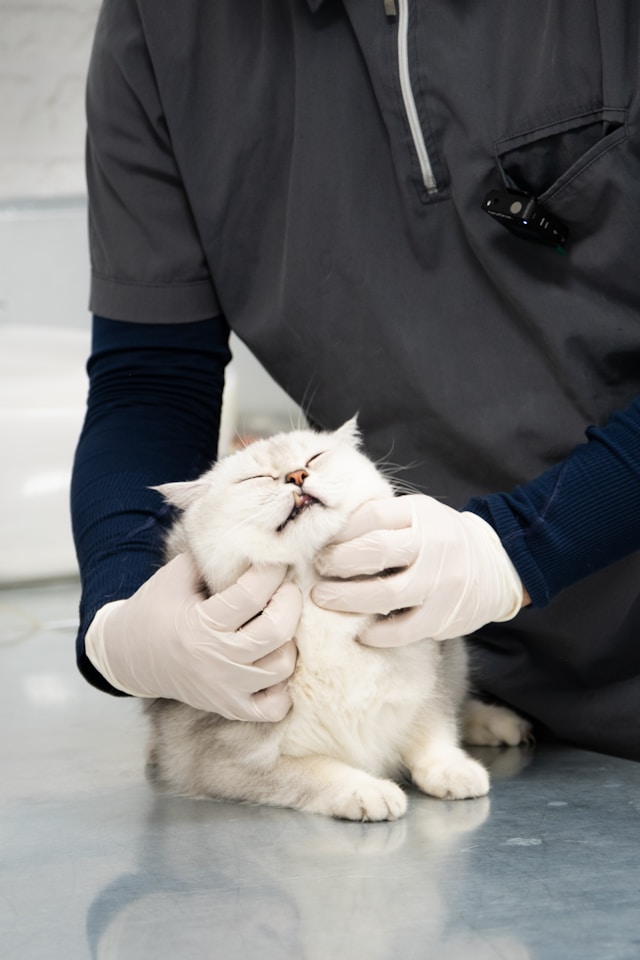
Your veterinarian plays an integral role in guiding vaccine choices based on their expert understanding of animal physiology and epidemiology. Regular check-ups allow for personalized advice tailored to your pet's unique health profile, ensuring optimal protection while minimizing risks.
- Expert Guidance: Vets can provide insights into local disease outbreaks and tailor vaccine choices accordingly, balancing efficacy and safety for each animal.
- Disease Surveillance: Veterinarians stay informed about emerging health threats and can adjust vaccination strategies as necessary based on current data.
A Collaborative Approach
- Discuss Concerns Openly: Communicate any worries about vaccine ingredients or past adverse reactions with your vet to devise a suitable vaccination plan.
- Regular Health Assessments: Schedule routine check-ups to maintain open lines of communication about ongoing health management, including vaccination strategies.
The Future of Pet Vaccination Strategies
The landscape of veterinary medicine continues to evolve with advancements in vaccine technology. The development of new adjuvant systems and innovative non-adjuvant formulations promise greater customization in protecting our pets against diseases.
- Innovative Solutions: Research into alternative adjuvant systems could lead to more effective yet safer vaccines, expanding options available to pet owners.
- Sustainable Practices: Future strategies may focus on personalized medicine approaches, tailoring vaccinations not just by species or breed but also by genetic markers and lifestyle factors.
Navigating the choice between adjuvanted and non-adjuvanted vaccines necessitates an understanding of both the scientific underpinnings and practical applications relevant to your pet's health needs. By working closely with your veterinarian, you can make informed decisions that best protect your pet while promoting long-term wellness.